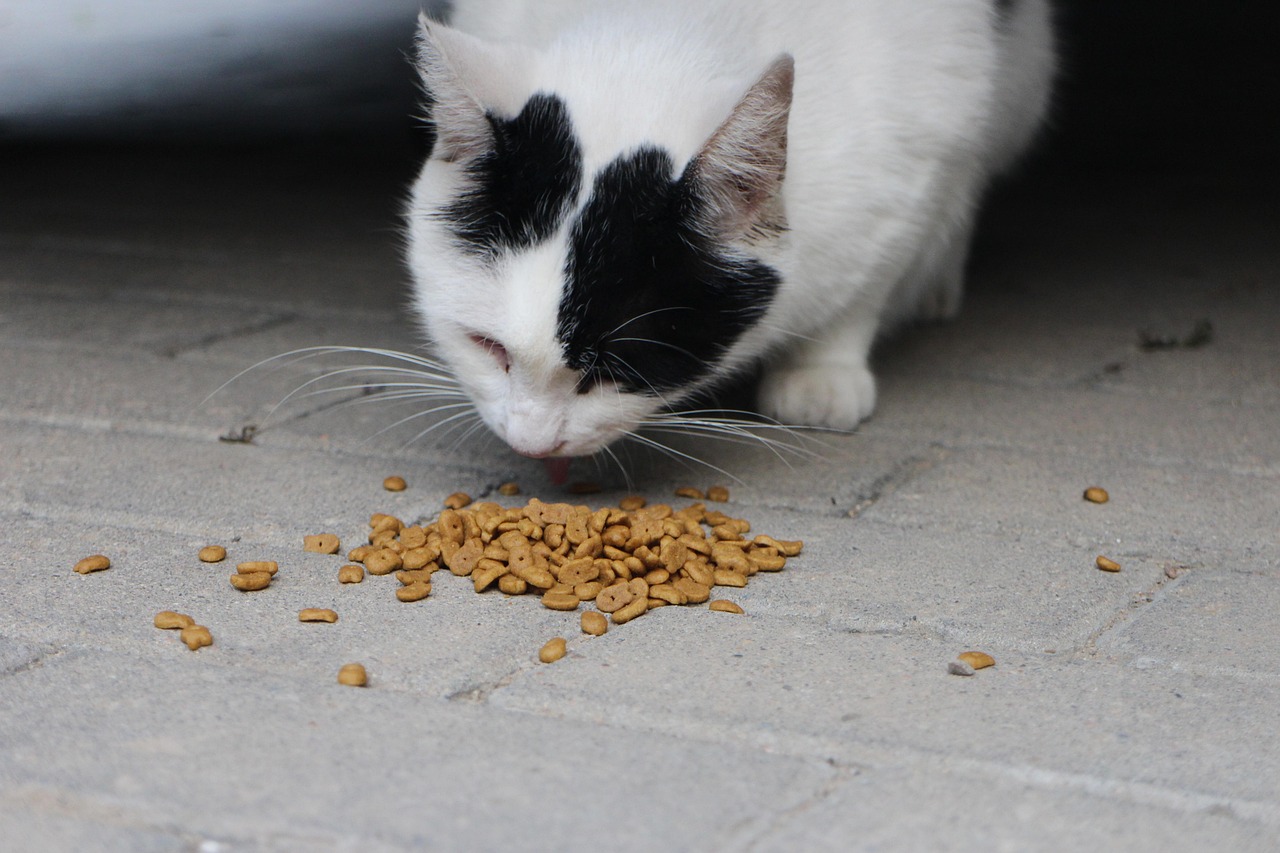

Understanding Dry Cat Food: What Every Cat Owner Should Know
Choosing the right dry cat food (kibble) is essential for your cat’s health and well-being. It is crucial to select a product that meets your cat’s nutritional needs. Learn about the ingredients by checking the label, ensuring it includes high-quality proteins as the primary source. Cats require amino acids found in animal proteins, so look for chicken, fish, or beef as key components. Avoid foods that list by-products, fillers, and artificial additives as primary ingredients. These can be detrimental to your cat’s health over time. You should also consider the specific life stage of your cat, whether it be kitten, adult, or senior. Each stage has different dietary requirements. It’s also vital to consult with a veterinarian for tailored advice, as individual health conditions may require specific dietary adjustments. Finally, ensure that your cat always has fresh water available alongside their dry food, encouraging hydration. The right kibble, when correctly selected, can significantly contribute to your cat’s happiness and longevity, resulting in fewer visits to the vet, improved energy levels, and a better quality of life.
Key Nutritional Elements in Dry Cat Food
Understanding what constitutes a well-balanced dry cat food is essential for any conscientious cat owner. The first element to look for is protein, which should make up a significant part of the cat’s diet. Cats are obligate carnivores, which means they require animal-based nutrients for optimal health. Additionally, fat is another key ingredient that provides essential energy and supports skin and coat health. Look for healthy fats derived from fish or chicken, as these can also enhance flavor and palatability. Carbohydrates should be present but in moderation; not all cats require high levels of them. It’s best to choose kibble that lists whole grains or vegetables as minor ingredients. Furthermore, vitamins and minerals play a crucial role in your cat’s overall health, helping to support their immune system. Often overlooked, probiotics are beneficial for digestion, particularly if your cat experiences gastrointestinal issues. Always consult the feeding guidelines on the packaging to understand serving sizes, as overfeeding can lead to obesity and other health concerns over time.
When selecting a dry cat food brand, it is essential to consider its reputation and history. Research the manufacturer to ensure they have a track record of producing high-quality pet food. Look for brands that employ veterinary nutritionists and have their products tested by independent laboratories. Transparency in ingredient sourcing and manufacturing processes is vital in establishing trust in a pet food brand. Additionally, keep an eye out for any recalls, as this can give you insight into the company’s practices. Reading reviews and seeking recommendations from other cat owners can also provide valuable information about the effectiveness and palatability of a particular kibble. While cost may be a factor, remember that cheaper alternatives often do not meet the same standards as premium brands. Investing in high-quality dry cat food can prevent future health problems and save money in vet bills. Moreover, consider participating in online communities or forums where you can share experiences and learn about different products that suit your feline friend’s dietary preferences and unique nutritional requirements.
Transitioning to Dry Cat Food
If you plan to transition your cat from wet food to dry kibble, it’s crucial to do so gradually to avoid gastrointestinal upset. Start by mixing a small portion of the new dry food with their current wet food. Over the course of a week, gradually increase the proportion of dry kibble while reducing the wet food. This will help your cat adjust to the new texture and flavor without causing digestive issues. Monitor your cat’s response closely during this transition to identify any aversions or health issues. Ensuring your cat’s hydration during this process is essential, especially since dry food contains less moisture. Always provide access to fresh water and observe if your cat is drinking enough to compensate for the kibble. Also, keep an eye on their weight during the transition; it’s important to prevent rapid weight gain or loss. If you notice any adverse reactions, like vomiting or lethargy, consult with your veterinarian as soon as possible to rule out any underlying issues.
Most cats thrive on a diet of approximately 30-50% protein. It is also vital to note that older and more sedentary cats may require fewer calories and different ratios of nutrients. Wet food can also be an excellent companion to dry kibble for added moisture and flavor. This mixed feeding strategy can help maintain your cat’s hydration levels, especially as many cats do not drink sufficient water. Additionally, treating your feline with dry kibble as a reward or snack should be done judiciously. Keep in mind that some cats can become picky eaters if they become accustomed to constant treats. Developing a feeding schedule can mitigate this issue. Regularly scheduled feeding times can not only help maintain your cat’s appetite but also enhance their digestive health. Each cat is unique; engage with your pets to better understand their preferences. Over time, you will discover what works best for your furry companion, tailoring their diet to fit their lifestyle, age, and health needs.
Special Considerations for Cat Food Allergies
Empowered cat owners should also be aware of food allergies and sensitivities that could arise, impacting their choice of dry cat food. Most common allergens in cat food include beef, chicken, fish, dairy and corn. It’s crucial to recognize signs of an allergic reaction. Symptoms may include excessive scratching, vomit, diarrhea, or even respiratory issues. If you suspect allergies, consult your veterinarian. They may recommend a limited ingredient diet, which will help isolate potential allergens. You may need to try several different brands or formulations before discovering the right fit for your cat. Grain-free kibble options are popular choices for cats with certain grain allergies, although they can still be rich in fillers. Monitoring your cat’s health during dietary changes is crucial, as allergic responses can lead to long-term issues if left unresolved. Keep a diary of your cat’s reactions to pinpoint intolerances accurately. Regular check-ups can also ensure that your cat remains healthy even as they age, allowing for adjustments in their diet as required. Ultimately, your diligence will lead to a happier, healthier kitty.
Understanding the ingredients in your chosen dry cat food can significantly impact your cat’s long-term health. Always scrutinize those ingredient lists! Remember, the first three components typically comprise the majority of the product. Emphasizing meat versus starches is crucial. High-quality brands will tout real meat sources upfront, while lower-quality brands may lean heavily on fillers such as corn or wheat gluten. Pay attention to the nutrient profiles presented on the packaging, and ensure that what you choose meets AAFCO (Association of American Feed Control Officials) standards. This will assure that the food is nutritionally complete and balanced for your cat. Additionally, as your cat ages, revisit your food choices regularly. Nutritional needs evolve over time. What worked for your young and active kitten may not suffice for your older, less active cat. Always consult with your veterinarian when making dietary changes, focusing on age-specific needs, activity levels, and health concerns. This proactive approach can be the difference between a thriving cat and one struggling with health issues. Your cat’s diet is not merely a matter of feed; it’s a cornerstone of their overall quality of life.
Lastly, engaging with your cat’s eating habits can pave the path to better nutrition. Cats can have various eating styles, ranging from nibbling throughout the day to consuming large portions at once. Observing your cat’s behavior is key to creating an ideal eating environment. Some cats prefer a tranquil space free from disturbances. Consequently, providing a comfortable feeding area can significantly impact how they eat. Activating meal enrichment through puzzles or slow feeders can also make mealtime more stimulating and enjoyable for your pet. The act of ‘hunting’ for food can appeal to their natural instincts and encourage mental engagement. Additionally, regular feeding routines can provide structure in your cat’s life, promoting a sense of security and reducing stress. To identify the right portion sizes, weighing your cat and following guidelines on the packaging will help you find the right balance. Ultimately, being attentive and responsive to your cat’s individual needs can lead to a happier pet, improved nutrition, and a flourishing life. This holistic view of your cat’s dietary habits ensures they thrive, benefiting immensely from a well-rounded, nutritious dry food diet.