
Understanding Heat Exhaustion in Elderly Dogs
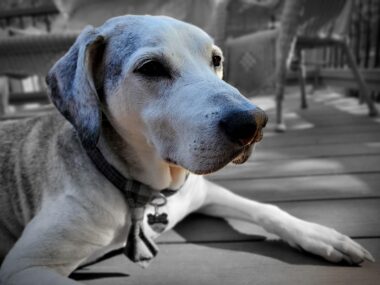
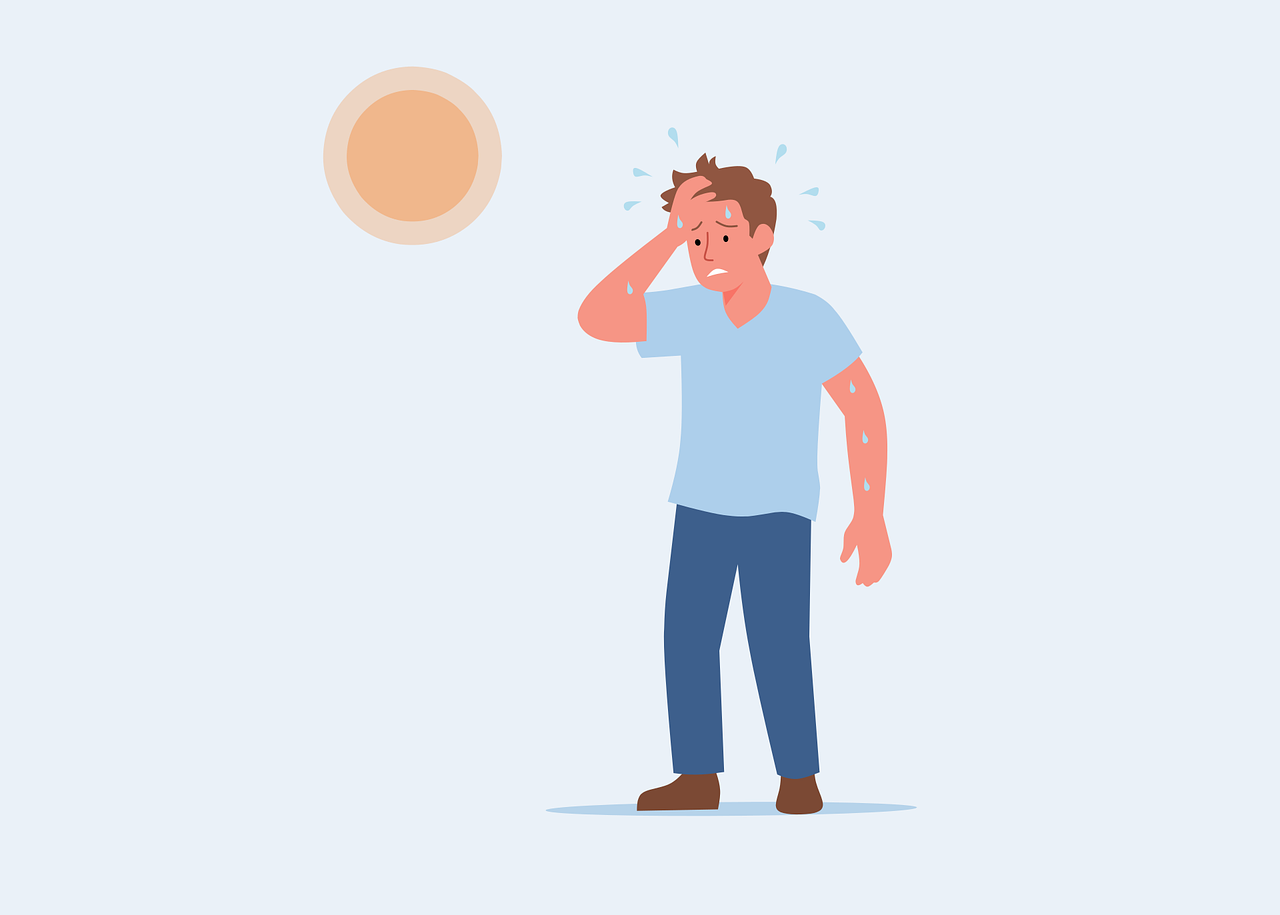
As our beloved furry companions age, they become more susceptible to health concerns, including heat exhaustion. Heat exhaustion occurs when a dog’s body overheats, often due to prolonged exposure to high temperatures or vigorousexertion. Senior dogs, particularly those with pre-existing health conditions, like heart issues or breathing difficulties, are at increased risk. The signs of heat exhaustion in dogs may include excessive panting, drooling, weakness, and disorientation. If you notice these symptoms, it’s essential to act quickly to prevent further complications. High humidity levels exacerbate the situation, making it harder for a dog to regulate its body temperature. Therefore, during the summer months, monitoring your dog’s activity level and providing a comfortable environment becomes crucial. Make sure your senior dog has access to plenty of water and shade to help them cope with hot weather. Keep in mind that dogs do not sweat like humans; they rely on panting to cool down, which may not be effective in extreme conditions. Thus, learning how to recognize early signs of heat stress can save your dog’s life. Prioritizing your senior dog’s comfort is vital to ensure their well-being.
Preventive Measures for Hot Weather
When caring for elderly dogs during the hot months, several preventive measures can help ensure their safety and well-being. Firstly, limit outdoor activities during peak sun hours. Instead, take walks early in the morning or late in the evening when temperatures are cooler. Always carry water for both you and your dog, allowing them to hydrate regularly. Ensure your dog has access to a cool, shaded area where they can rest and escape the fierce sun. If you have a yard, provide cooling mats or wet towels on which your dog can lie. These simple additions can significantly help regulate their body temperature. Additionally, avoid hot pavements or sandy beaches, as they may burn your dog’s paws and worsen overheating. Keep an eye on your dog while outdoors, watching for any signs of heat exhaustion. If you notice excessive panting or lethargy, bring them inside immediately, offering cool water and a rest. It’s essential to be proactive during the hotter months, as elderly dogs are more vulnerable to heat-related illnesses. Proper care can vastly improve your dog’s quality of life, ensuring a safe and enjoyable summertime.
Recognizing the Symptoms of Heat Exhaustion
Identifying heat exhaustion in senior dogs can be challenging, but recognizing the symptoms early can help prevent severe complications. Primary signs to watch for include excessive panting, drooling, and weakness. Your dog may also seek out cooler areas or shade, signaling discomfort with the heat. Increased heart rate and restlessness are additional indicators that your dog is struggling with rising temperatures. In severe instances, a senior dog may experience disorientation, stumbling, or collapsing, which require immediate veterinary attention. Be vigilant, especially if your dog has long hair or is overweight, as these factors can heighten risks. Remember that some breeds have predispositions for heat-related issues, such as brachycephalic breeds like Bulldogs or Pugs, which have difficulty cooling themselves. To ensure your dog’s safety, it is imperative to pay attention to these signals during hot days. If you suspect your senior dog may be overheating, take action promptly. Move them into a cooler environment, offer water, and use wet cloths to help bring down their body temperature. Timely recognition and response can safeguard your canine companion from heat-related illnesses.
Heat exhaustion can escalate quickly, transitioning into heatstroke, a life-threatening condition. Symptoms such as high body temperature, rapid heart rate, and difficulty breathing require immediate action. If your senior dog shows these signs, it’s crucial to contact your veterinarian without delay. You can provide initial assistance by placing a wet cloth on your dog’s body, especially around the abdomen, armpits, and groin. Additionally, offer small amounts of cool water to rehydrate them. Avoid using ice-cold water or ice packs, as they may cause the blood vessels to constrict and retain heat. Instead, the goal should be to lower their temperature gradually. If possible, use a fan to help circulate air around them. The earlier you intervene during an emergency, the better the chances of a positive outcome. When seeking veterinary care, offer as much information as you can about the situation, including how long they have been exposed to heat and the symptoms they exhibited. This information will assist the vet in making a diagnosis and determine the best course of treatment. Heatstroke survival often depends on quick response and appropriate care.
Treating Heat Exhaustion in Senior Dogs
Treating a senior dog suffering from heat exhaustion involves quick, effective steps to restore their health. The primary goal is to cool down their body temperature safely while ensuring they remain hydrated. Begin by removing your dog from the heated location to a cooler environment, such as an air-conditioned room or a shaded area. Offer them cool, fresh water to drink, but avoid forcing them to consume it. Gradual cooling methods, such as applying wet towels on their body, can help lower their temperature. Focus on areas with a lot of blood flow, like the paws, inner thighs, and armpits. Monitor your dog closely for signs of improvement or worsening symptoms. If they do not show improvement within 30 minutes of treatment, or if symptoms escalate, it’s critical to seek veterinary care immediately. The vet may provide intravenous fluids or other interventions as necessary. After recovery, consider ways to prevent future occurrences to keep your senior dog safe during hotter weather. Make adjustments to their exercise routine and create an environment better suited for their comfort and health during the sweltering summer days.
Post-Incident Care and Recovery
After experiencing heat exhaustion, elderly dogs require proper post-incident care to ensure a full recovery. Offer gentle monitoring over the next few days, looking for any residual effects such as lethargy, appetite changes, or increased panting. Refrain from returning to regular exercise too quickly. Introduce light activities gradually and always monitor their tolerance. Providing plenty of fresh water should remain a priority, keeping them hydrated as they recuperate. Consult your veterinarian regarding any specific care instructions or restrictions based on your dog’s health history. Consider adjusting your dog’s environment by providing access to cooling mats, shaded areas, and plenty of fresh water. You may also need to discuss your dog’s overall activity level and health with your vet, ensuring that any age-related issues are also addressed. Focus on creating a safe, comfortable living space where your dog can relax and recover effectively. This may help ease their transition back into regular routines. Your dedication to their well-being during this time can significantly impact their long-term health, ensuring they remain healthy and happy in the face of future heat waves.
Ensuring proper first aid knowledge is crucial for any dog owner, especially for those with senior canines. Understanding how to respond to heat exhaustion can be a lifesaver for your aging dog. By remaining vigilant and aware during warmer months, you’re not only enhancing your dog’s health but also contributing to their overall quality of life. Always educate yourself on the signs of heat stress and the necessary steps to react when faced with such situations. Staying informed equips you to manage emergencies effectively, ensuring your dog receives timely care. Never hesitate to consult with your veterinarian whenever you have questions or concerns regarding your dog’s health, particularly for elderly pets. Building a relationship with a trusted vet can provide peace of mind during challenging times. Share this knowledge with family and friends who are dog owners to help create a community of well-informed pet lovers. Employ these tips and techniques as part of your regular routine to help keep elderly dogs cool and safe. Ultimately, your proactive approach helps ensure many wonderful moments together with your beloved furry companion.
In summary, addressing heat exhaustion in elderly dogs is essential for their overall health and comfort. By understanding the risks, recognizing the symptoms, and implementing preventive measures, you can significantly improve your senior dog’s quality of life. Remember, quick recognition of the symptoms, prompt intervention, and suitable post-incident care are key steps in managing heat-related illness in dogs. Being proactive in your care routine, particularly during warmer months, can protect your beloved pet from serious heat-related complications. Always strive to create a safe living environment for your senior dog, filled with plenty of cooling options, water sources, and shaded areas for rest. Educate yourself about first aid techniques and ensure you’re prepared for any situation. Keeping an open line of communication with your veterinarian will enable you to remain informed of any changes to your dog’s health needs. Through your diligent efforts, you can contribute to a long, happy, and healthy life for your canine companion, despite the challenges that aging may bring. Allocate time to enjoy moments together, allowing your shared bond to flourish. Give your senior dog the love and care they deserve during the warm season.