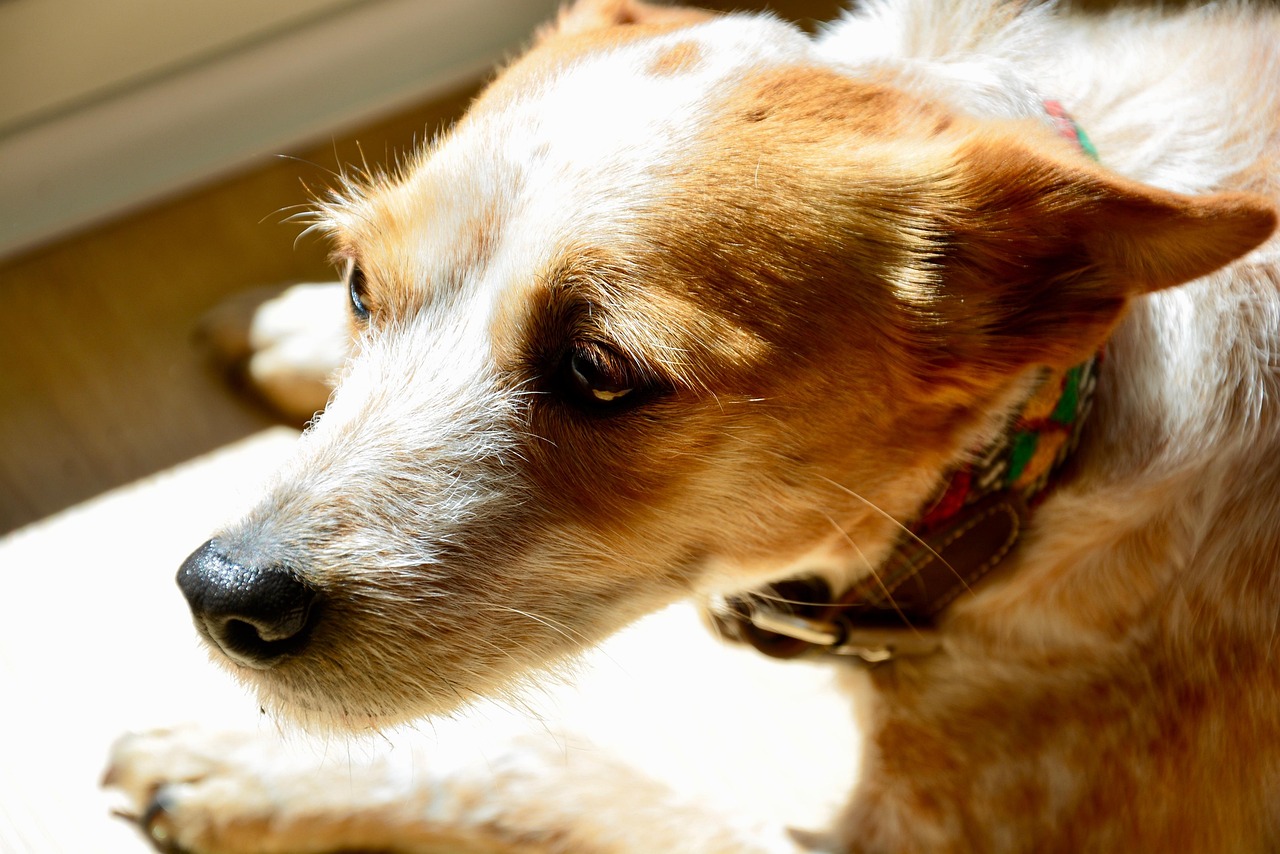

Calming Techniques for Anxious Dogs
Understanding anxiety in dogs is crucial for effective management. Many factors can contribute to a dog’s anxiety levels, such as past trauma, lack of socialization, medical issues, or environmental changes. A deeper understanding of what might trigger anxiety can help in choosing appropriate calming techniques. Dogs may exhibit various signs of anxiety including barking, pacing, excessive grooming, or destructive behavior. Recognizing these signs allows pet owners to intervene early and employ strategies that can promote a calmer demeanor. It’s essential to observe your dog’s triggers—specific noises, situations, or people. Providing a safe space for your dog minimizes excessive stimuli, thereby reducing feelings of stress and anxiety. Techniques such as desensitization, where the dog is gradually exposed to anxiety-inducing situations, can help the pet to cope better. Training sessions can reinforce positive behavior and instill some calmness. Additionally, incorporating regular exercise into your dog’s routine can help alleviate symptoms. Physical activity contributes substantially to overall emotional well-being, which can mitigate anxiety. These steps are important, but it’s always wise to consult a veterinarian before implementing new strategies.
One effective strategy to assist anxious dogs is through the introduction of structured routines. Dogs thrive on consistency and having a daily schedule can create a sense of security and predictability. This includes set times for meals, walks, play, and relaxation. Structure minimizes uncertainty, making your dog feel more comfortable and less anxious. During these routines, engaging in mindfulness practices can also substantially improve behavioral outcomes in your dog. Mindfulness can be shared through calm communication, soft touches, and a tranquil environment. Utilizing calming aids such as non-slip mats or specific resting areas designated for relaxation may further enhance the outcome. Scent can also play a significant role; utilizing pheromone diffusers or calming essential oils can promote a soothing atmosphere. Moreover, specific toys can occupy and calm an anxious dog. Additionally, interactive puzzles challenge their mind while decreasing anxiety. Utilizing techniques such as classical conditioning, where desirable actions lead to rewards, may help reinforce and encourage calm behaviors. Engaging in obedience training can improve the bond between owner and dog, achieving confidence together. Always maintain positivity during these exercises to enhance cooperation and reduce tension.
Environmental Changes for Calmness
Creating a calming environment is essential for managing a dog’s anxiety levels effectively. One major aspect is to minimize loud noises by utilizing soundproofing materials like heavy curtains or rugs. Utilizing white noise machines or calming music designed for dogs can drown out sudden noises from outdoors. Establishing a safe haven, like a cozy corner with the dog’s favorite blanket and toys, encourages retreat during stressful times. This comfortable space can be reinforced with familiar scents such as a favorite treat or toy. Natural light can be both calming and restorative; hence, providing access to windows or outdoor views can reassure a dog. Designate a ‘quiet time’ when the house can become peaceful. This not only benefits the dog but also promotes relaxation for the whole family. Adjusting the home temperature to a comfortable level is important as well since extreme heat or cold can lead to elevated stress levels. Overall, crafting this nurturing environment allows dogs to feel secure, allowing for relaxation and decreased anxiety. Psychological comfort is as significant as physical comfort for calming an anxious dog effectively.
Engaging in physical activities frequently contributes significantly to calming down anxious dogs. Regular walks—especially in calm areas—can boost your dog’s mood and reduce anxiety levels through interaction with nature. Exploring outdoor trails presents a variety of sounds and scents, distracting from panic moments. Additionally, incorporating fetch or tug-of-war sessions enhances their mental engagement while promoting physical exercise. Each interactive playtime session should end on a positive note, rewarding calm and cooperative behavior. Furthermore, agility training can enhance confidence and provide a thrilling challenge that channels pent-up energy. Swimming is another wonderful alternative that many dogs enjoy and find soothing. Enrolling in obedience classes promotes socialization and builds a bond with the owner, decreasing overall anxiety. Some pet owners also find value in canine sports such as flyball or herding, combining fun with teamwork. However, always tailor activities to your dog’s energy levels and preferences to enhance effectiveness. Gradually increasing exercise intensity is essential, avoiding overwhelming your dog too quickly. Over time, these physical activities not only build muscle but remarkably help alleviate anxiety, allowing for a more manageable and contented dog.
Use of Calming Aids
Calming aids offer excellent assistance for anxious dogs and can be particularly effective when integrated with other techniques. Various over-the-counter products are available such as calming chews, treats, and sprays designed to promote relaxation. These calming supplements often include natural ingredients like chamomile or valerian root, which are known for their relaxing properties. Discussing the use and dosage of such aids with a veterinarian ensures a safe approach. Additionally, consider utilizing anxiety wraps or clothing that creates gentle pressure, mimicking swaddling. This simple application can strengthen feelings of safety and support for your dog. Furthermore, items such as calming puzzles keep the dog mentally stimulated while providing comfort. Developing a consistent routine of using these aids during stressful situations can reinforce positive behavioral patterns. Do remember that some dogs may respond better to certain products than others. Therefore, proceed with a trial-and-error approach while maintaining detailed notes to observe effectiveness. Whether through physiological methods or psychological comfort, these calming aids contribute significantly to managing anxiety in dogs, helping them to feel at ease in their surroundings.
Veterinary intervention is critical when managing serious anxiety in dogs, and professional guidance can provide valuable insights. Upon discussing behavioral concerns with a veterinarian, they may suggest potential treatment options tailored to your dog’s specific needs. Prescription medications might be explored as a next step if anxiety levels do not decrease with behavioral techniques alone. These medications can help by balancing brain chemistry, thus easing anxious feelings. Medication alone should not serve as the only solution; however, combining it with behavioral strategies often yields better results. Additionally, refer to canine behaviorists or trainers specializing in anxiety-related issues for personalized plans. Understanding the causes of anxiety can determine specific modifications to be made during training. Identifying stressors and developing methods tailored to each dog’s unique traits is essential. Follow-up consultations with veterinary professionals ensure adjustments and progress are assessed. Despite the challenges, consistent communication between pet owners and professionals leads to effective management. Navigating through anxiety can take time; thus, having patience and perseverance is key to seeing improvement. Every small step contributes to a calmer, happier dog, enriching the pet-owner relationship significantly.
Consistency is Key
Implementing a combination of behavioral modification strategies requires consistency and commitment from dog owners. Every effort contributes to creating positive change within an anxious dog’s behavior. The success of any technique relies heavily on routine, with owners actively engaging during training sessions to maintain focus. Remaining calm while redirecting anxious behaviors fosters trust and encourages more reliable responses from the dog. Reinforcement of desired behaviors should continuously be practiced within various environments—ensuring your dog learns to manage their anxiety correctly. Avoid situations or stimuli that provoke anxiety until your dog becomes more comfortable and adjusts accordingly. Remember that every dog is different; what works for one may not work for another. Patience during this learning process will significantly aid in building a positive association with training. Encouraging socialization with well-behaved dogs can also reinforce calmness, presenting opportunities for learning. As you reflect on your dog’s progress, always celebrate milestones—no matter how small. Recognizing improvements fosters optimism and further engagement. Owners must adapt their approaches to suit their dog’s evolving anxiety while promoting a path towards lifelong contentment and confidence.
Combining various strategies allows for a more holistic approach to managing anxiety within dogs, leading to lifelong behaviors that enhance their emotional well-being. Prioritizing consistent training, environmental modifications, and physical exercise ensures a comprehensive strategy is implemented. Integrating calming aids provides additional support tailored to the dog’s specific needs. Regular veterinary consultations can help track progress, adapting care as necessary. Always consider the individuality of each dog when engaging in behavioral modification techniques. A bond built with mutual respect and understanding substantially enhances the effectiveness of these methods. Beyond improving emotional health, these strategies foster deeper connections between the dog and owner. Commitment to this process enables pet owners to navigate challenges together, creating harmonious relationships. Keep the focus on positive reinforcement and building confidence. As the dog learns to manage its anxiety, it fosters a sense of empowerment and builds resilience for future situations. Careful observation of behaviors allows for fine-tuning methods, ensuring successful adaptation. Ultimately, implementing these calming techniques leads to happier, healthier dogs. Their well-being is reflective of their environment, care, and training. A calm dog is a joy to be around and creates a more peaceful household.