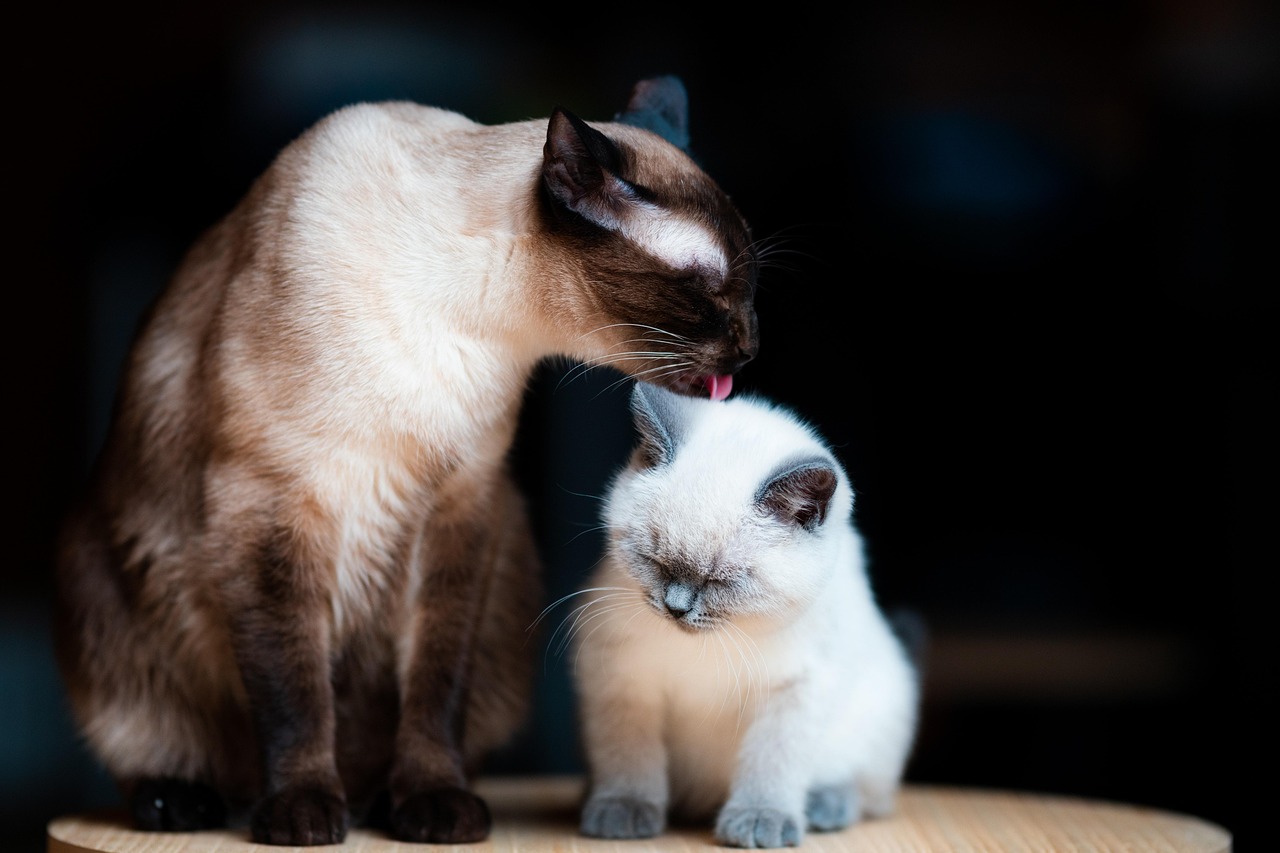

Creating a Sports-Friendly Environment for Multiple Cats
Creating a sports-friendly environment for multiple cats involves understanding their social dynamics and developing an engaging space. Firstly, consider the layout, ensuring that it allows for both play and rest areas. Cats thrive in environments where they can express their natural behaviors, such as climbing, scratching, and playing. Use vertical spaces like cat trees or shelves for climbing, creating a safe area for each cat. Additionally, ensure that toys are plentiful and varied to cater to different preferences; some cats favor interactive toys, while others prefer solo play items. Having multiple toys such as feather wands, balls, and laser pointers can keep them engaged and active. In this space, it’s essential to encourage teamwork through play, fostering an environment where they can interact safely. Schedule regular play sessions which include all cats, teaching them to share and cooperate while engaging in sports-like activities. Monitor their interactions to ensure play remains positive, adjusting environments or toys as needed. This will help avoid conflicts, ensuring that each cat feels secure and valued, promoting a harmonious play atmosphere for everyone.
Understanding Feline Behavior
Understanding feline behavior is crucial for fostering teamwork among multiple cats. Each cat has its distinct personality, and recognizing these traits helps in crafting an atmosphere conducive to cooperative play. For instance, some cats may display more dominance while others exhibit a more submissive nature. It’s important to use these traits to tailor activities that promote bonding and teamwork. Observe how they interact during play sessions and establish which cats naturally work well together. Engaging in group activities can be quite beneficial. Using interactive toys that require cooperation, such as feather chasers or puzzles, can enhance teamwork. These activities encourage them to strategize together, negotiating who leads the chase or who captures the toy. Always supervise these sessions to observe their behavior and intervene if competition escalates to aggression. Understanding and acknowledging their body language will help recognize stress signals. This fosters a supportive environment where cats feel comfortable participating in group activities. Thus, they learn the importance of teamwork while enjoying the rewards of collaborative play, leading to healthier and happier relationships.
Providing a variety of spaces for play promotes a rewarding environment for multi-cat households. Having designated areas for active play, quiet rest, and even separate feeding stations is key. These distinct zones help minimize stress and competition among the cats. Ensure they have hiding spots or cozy nooks that allow them to retreat whenever they feel overwhelmed. This promotes their well-being and encourages exploration, essential for physical and mental stimulation. Balance is critical; a mix of supervised interactive play and independent exploration allows each cat to engage at their level of comfort. Create common spaces where teamwork can occur, maybe through group puzzles or treat hunts, where they must collaborate to find the rewards. Implementing such strategies not only enhances their play experience but also creates opportunities for bonding. Remember; a relaxed atmosphere translates to more cooperative play and teamwork among your cats. By creating favorable conditions for each cat, you enable their instincts to thrive while also fostering strong inter-cat relationships, allowing them to work together harmoniously.
Choosing the Right Toys and Activities
Choosing the right toys and activities significantly contributes to enhancing teamwork in multi-cat environments. Opt for toys designed for multiple players, like kick toys or large feather wands, that encourage teamwork and combined efforts. These toys foster interactions, where cats learn to work together to capture the moving elements. Variety is crucial; a selection of activities should appeal to both active and laid-back cats. Incorporate puzzle feeders that require them to collaborate, strategizing as a group to retrieve hidden treats. Additionally, rotating toys regularly keeps the environment stimulating, ensuring that each cat remains engaged without growing bored. Observe which toys resonate most with your group, as individual preferences may vary. Not all cats may enjoy the same type of play. Some may prefer chase games, while others lean towards puzzle-solving activities. Tailoring activities based on observed preferences enhances participation and cooperation levels among the cats. Teach them sharing etiquette, ensuring they learn to take turns while playing is essential for necessary teamwork development. This also reduces conflicts, encouraging harmonious group play sessions.
Regularly scheduled play sessions can reinforce teamwork among your cats while improving overall emotional health. Allocate times when you can engage all cats in play, ensuring it’s a fun routine for everyone. These sessions can incorporate various toys and games that require teamwork and encourage sharing. During these interactions, adopt strategies that promote positive reinforcement. Praise them with treats or affection when they successfully collaborate during play activities. Implementing team-based challenges, such as group races using cat tunnels or combined obstacle courses, can make play sessions even more engaging. It is essential to keep an eye on their mood and reactions; should any aggressiveness emerge, assess the environment and the activity. Adjustments may be necessary to create a more balanced play dynamic. Rewarding teamwork through treats or verbal praise encourages them to continue to cooperate in future play. Over time, these regular sessions will enhance their communication skills, improve their confidence, and reinforce positive social dynamics. A consistent schedule creates a safe and predictable atmosphere where your cats will thrive emotionally and physically.
Creating a Safe Space for Various Personalities
Designing an environment that accommodates various cat personalities is essential for promoting teamwork. Every cat has its own unique temperament, ranging from shy and timid to bold and adventurous, which may impact their interactions during play. Observe how each cat engages with others, identifying which pairings tend to socialize effectively together. By creating a safe space, each cat can retreat or engage based on comfort levels. Having elevated platforms allows more confident cats to display their prowess while providing lower areas for timid cats. This enables shy cats to participate in activities when they feel safe, reducing anxiety and encouraging social interaction. Use gentle introduction techniques when introducing new toys or activities to ensure all cats feel comfortable and included. Gradually involve new cats in play, allowing each one to establish a sense of security within the group. Implementing choices during playtime can also boost confidence levels, encouraging each cat to engage at its pace. Facilitating an open environment nurtures positive relationships among the cats, allowing teamwork to flourish organically during play.
Monitoring interactions and adjusting play strategies ensures continuous improvement in teamwork among your cats. Regularly observe their behavior during play sessions, noting any shifts in dynamics or personalities. This vigilance helps in identifying potential conflicts or bullying behaviors early on. If tensions arise, change the games or incorporate new toys to redirect focus, fostering a positive atmosphere. Providing outlets for individual personalities remains crucial; some cats might prefer solitary games while others enjoy group activities. Hence, alternating the types of games is beneficial. Adjusting the play environment based on observations can lead to better outcomes. Using comforting scents or pheromone diffusers can help ease stressed cats, encouraging participation. Understanding when to give cats a break is equally important, allowing them to recharge before resuming playful interactions. Be flexible and willing to adapt your strategies to promote unity within the group. In cultivating an environment where cats feel secure, supported, and positively engaged, they naturally enhance their teamwork abilities, leading to a harmonious home packed with healthier social interactions.