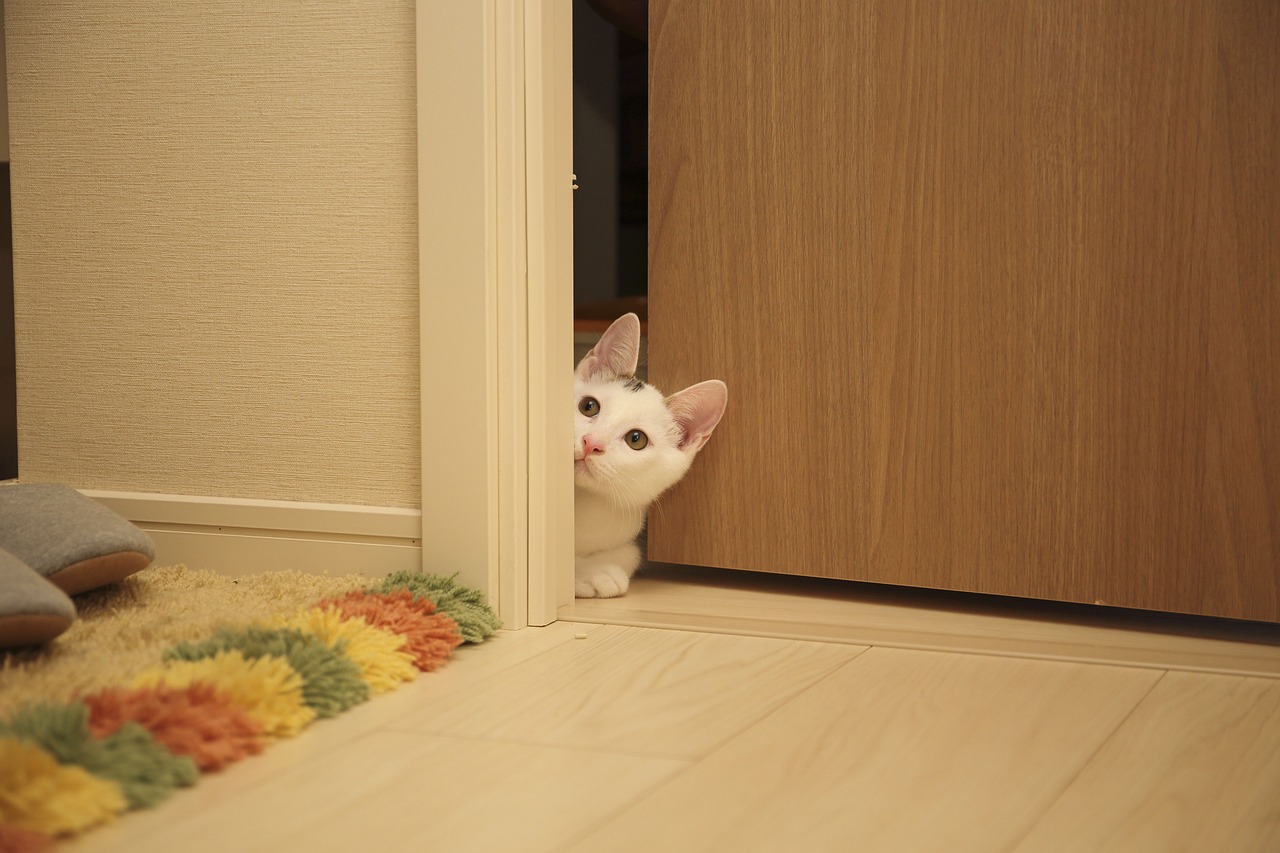

Incorporating Cat Door Training into Your Cat’s Daily Routine
Training your cat to use a cat door can enhance both your and your feline friend’s daily life. Cats are naturally inquisitive and adventurous, so a cat door provides them with the opportunity to explore their environment safely. In this guide, we will delve into practical strategies to seamlessly integrate cat door training into your cat’s daily routine. Understanding your cat’s behavior and habits is key to effective training. Most cats prefer consistency, so setting regular times for training sessions is beneficial. Begin by introducing the cat door gradually, allowing your pet to feel comfortable with its presence. Use treats and toys to encourage your cat to approach the door while maintaining a positive atmosphere during the training process. Rewarding them with praise or treats when they show interest can help build a hopeful association. Aim to keep each session short, about five to ten minutes, which keeps your cat engaged without overwhelming them. Regular practice is critical for effective learning. Soon, your cat will associate the cat door with positive experiences, making the transition much easier for both of you.
Another essential aspect of the training process is choosing the right type of cat door that suits your home and your cat’s needs. There are many different styles available, including manual, magnetic, and electronic options. Some appear more appealing to certain cats due to their size and design. Paying attention to your cat’s behavior can help you select the most appropriate door. If they are hesitant to enter through the door, consider a model with a lower flap for easier access. Ensuring the door is installed correctly is equally vital. Improper installation can lead to frustration for your cat, delaying their acceptance and use of the door. A door that opens effortlessly will entice your cat to explore freely. You’ll also want to take into account the environment; if you live in a busy area, an electronic cat door may prevent unwanted visitors while allowing your cat to come and go. As your cat becomes more comfortable, periodically assess their confidence levels. Any signs of anxiety may require adjustments in your training approach, ensuring your cat remains happy and unafraid during the training process.
Creating a Comfortable Environment for Training
Creating an inviting environment is paramount in making your cat door training successful. Ensure the surrounding area is quiet and stress-free, as loud noises or distractions can derail your cat’s focus. Set up a cozy space around the cat door; use familiar items, like their favorite blanket or bed nearby. This familiarity can cushion the experience and provide reassurance when they attempt to use the door. The key is to make the area inviting and comfortable so your cat feels safe. Regularly supervising your cat while they explore the door can boost their confidence. By encouraging positive interaction, you reinforce the connection between exiting and returning home. Try to position toys or treats on both sides of the cat door to motivate them. Additionally, consider training during times of day when your cat is most active, usually early morning or evening. Creating a pleasant atmosphere can significantly increase their willingness to learn and explore. Each positive experience will gradually strengthen their bathroom habits concerning the door and encourage them to embrace the experience happily.
Consistency is crucial in cat door training as it will lead to successful results. Setting a schedule helps your cat understand when to practice using the door. Choose specific times throughout the day that work well with your cat’s routines. If your cat has a predictable feeding time, incorporate door training before or after mealtime, associating the door with positive activities. In the early training sessions, gently guide your cat toward the door using treats or toys, ensuring they see the door as a path to pleasant rewards. Each time they successfully use the door, provide a lot of praise or their favorite snack. With time, they will begin to recognize the benefits of the door, leading to increased independence every time they use it. Also, remember to maintain patience throughout the process. Every cat learns at their own pace, and some may require more encouragement than others. If you notice your cat struggling, take a step back and reassess your techniques or environment, ensuring you’re providing everything necessary for a positive training experience.
Addressing Common Challenges in Cat Door Training
While cat door training can be a rewarding experience, it may not always run smoothly due to common challenges that arise. One of the most frequent issues faced is cats hesitating to approach the door. If your cat shows signs of fear or reluctance, it’s essential to step back and take a more gradual approach. Spending additional time desensitizing your cat to the sight and sound of the door can build their confidence. One effective method to address hesitation is to leave the door ajar, allowing your cat to explore the space without feeling trapped. This helps in creating a more open and comfortable environment. Furthermore, if your cat is enticed by the outside but shows hesitation about using the door, you can try enticing them with their favorite treat placed just beyond the doorway. Such practices give your cat positive reinforcement, helping them link the cat door with fun experiences. Lastly, if your cat is consistently reluctant, consider consulting a veterinarian or a professional animal behaviorist for personalized advice tailored to your cat’s needs.
Engaging with your cat during the training process can significantly improve their experience with the cat door. Cats are social creatures who thrive on interaction and play. To enhance their learning, involve playtime as part of the training sessions. Use a wand toy or laser pointer to play with your cat right next to the door, encouraging them to move toward and through it. This method not only makes the process enjoyable but also reinforces their connection to the door as a link to fun activities. Additionally, setup obstacle courses that incorporate the door while engaging your cat’s curiosity. Creating a playful environment can make training feel less like a chore and more like playtime. As you progress, vary your training sessions to keep your cat entertained. Use different toys or change the placement of treats to maintain their interest. Eventually, your cat will come to view the cat door as an easy path to new adventures rather than a source of anxiety. Remember, the joy and engagement you provide can significantly enhance their learning experience, making them more likely to embrace the practice.
Celebrating Success in Cat Door Training
As with any training process, it’s vital to celebrate your cat’s successes, no matter how small they may seem. Recognizing their achievements boosts their confidence and encourages further interaction with the cat door. Start by rewarding them immediately after they use the door successfully, whether that means giving treats or verbal praise. Providing consistent positive reinforcement helps to solidify their behaviors, making it easier for them to learn and embrace the experience. Create a special weekly ritual to celebrate milestones; for instance, prepare a fun treat day to encourage their efforts. You can also document their progress by taking pictures or videos of their journey. Sharing this progress with friends and family can also enhance the fun, showing how well your training has been received. Furthermore, involving your cat with a little celebratory playtime can reinforce their connection to the activity. The joy experienced during these celebrations will foster a bond between you and your pet while reinforcing their learning and encouraging continued exploration of their newfound abilities. With every significant milestone, you will build a confident, more independent cat who happily uses their cat door.
Finally, remember that patience and consistency are paramount for long-term success when training your cat to use the cat door. Each cat is unique, and learning speeds can differ widely. While some may quickly adapt, others may take time; understanding this variability is essential. Therefore, continue to keep training sessions brief and enjoyable, always allowing your cat to lead the pace. As they grow more confident, you may find that they are wanting to use the cat door more often. Consistently reinforce positive behaviors, ensuring your cat has the best possible chance of becoming comfortable with the door. If setbacks occur, such as your cat reverting to old habits, don’t be discouraged. Revisiting the environment, providing an inviting atmosphere, or reassessing your training methods can reignite their enthusiasm. Also, celebrating smaller achievements consistently can help maintain motivation throughout training. This process is not only about teaching your cat to navigate a door; it’s about enriching their lives and enhancing your relationship with them. With dedication, joy, and time, your cat can truly revel in their independence, exploring joys both indoors and outdoors.