
Safe and Effective Deterrents for Dog Digging
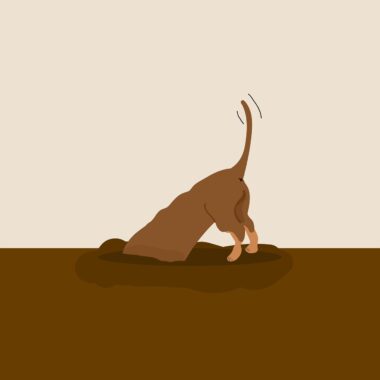
Understanding why dogs dig is essential for addressing the behavior effectively. Digging can stem from boredom, anxiety, or instinctual behaviors linked to their ancestry. Dogs are naturally inclined to dig for various reasons, including seeking shelter, hunting, or simply as a playful activity. Resolving this behavior requires a multifaceted approach that respects your dog’s needs while ensuring a cohesive home environment. Implementing safe deterrents can greatly reduce the frequency of unwanted digging. However, these methods should be humane and promote positive learning. This article will discuss various techniques that you can apply to deter your dog from digging unnecessarily. By analyzing the root cause of the digging, you can better tailor your strategies. Taking proactive measures such as providing plenty of exercise, mental stimulation, and designated digging areas can effectively divert their attention. The key lies in understanding and meeting your dog’s needs, either through physical activity or environmental enrichment. Using positive reinforcement to encourage good behavior is preferable to punishments, which can lead to additional behavioral issues. In the following sections, we will delve into specific methods and strategies in detail.
One effective method to deter dog digging is to create an engaging environment. This goal can be achieved by providing an enriched backyard filled with interesting toys. Interactive toys stimulate your dog’s inquisitive nature while preventing boredom. Items such as treat-dispensing balls or puzzle toys can occupy their time and mind. Additionally, ensure your dog has plenty of opportunities to socialize with other dogs or people. Regular playdates or visits to dog parks can alleviate anxiety and excess energy, reducing the urge to dig. Creating areas within your yard dedicated to digging, complete with sand or soil, can also redirect their digging behavior. Encouraging your dog to dig in designated zones offers them an outlet for this natural behavior while ensuring your garden remains intact. Be consistent in guiding them toward these areas when they attempt to dig elsewhere. Reinforce this behavior positively through praise or treats whenever they use the designated dig zone. Practicing patience is crucial, as changing behavioral patterns may take time. Monitoring and adjusting your dog’s environment will play a significant role in curbing unwanted digging.
The use of physical barriers is another safe and effective method for reducing dog digging behavior. Installing fences or barriers can help limit your dog’s access to particular areas where they tend to dig excessively. These structures not only keep your dog safe but also prevent them from disrupting garden plants or patio grounds. Additionally, consider using decorative rocks or mulch in your garden beds. These materials serve as both an aesthetic element and a deterrent, making it less appealing for your dog to dig there. Supervised outdoor time is essential; by keeping an eye on your dog, you can intervene quickly if they start digging in unwanted areas. Leashes or tie-outs can provide a balance of freedom while ensuring safety. Training your dog to respond to commands like
Positive Reinforcement Techniques
To address dog digging, employing positive reinforcement can be incredibly effective. Instead of punishing them for digging, reward them when they exhibit the desired behaviors. When they’re occupied with activities you approve—like playing with toys or resting in designated areas—provide treats or praise. This strategy helps them associate good behaviors with positive experiences. It reinforces the notion that certain actions lead to rewards. Create a routine so your dog knows what to expect, including designated playtimes and walks. Incorporating new tricks or commands can also keep their minds engaged, reducing the likelihood of boredom-driven digging. Consistency is vital; ensure that all family members apply the same commands and reward system. Tailoring these sessions to your dog’s preferences will maximize engagement. Remember to always praise your dog immediately after they exhibit the behavior you want to encourage. Over time, this approach will shift their focus away from digging to more acceptable activities. Continuously adapting your strategy based on your dog’s responses can create a more harmonious living environment and a fulfilled pet.
Sometimes, a commercial deterrent spray can be useful for discouraging digging. These sprays, often formulated from unsatisfactory scents for dogs, can be applied around the areas your dog digs the most. Ensure that the product is safe for pets, as some items can be harmful. Using these products alongside your positive reinforcement strategies can help solidify your dog’s understanding of where not to dig. However, deterrent sprays should only be a temporary solution; they are most effective when combined with behavior modification and training techniques. Over time, your dog should learn that certain areas are off-limits. Additionally, you can explore natural alternatives, such as vinegar or citrus scents, which dogs tend to dislike. Regularly reassess the effectiveness of these sprays and adjust their usage accordingly. Continue to reinforce good behavior on a consistent basis. Ultimately, the goal is to create an environment where your dog feels safe and stimulated enough to avoid unwanted digging naturally. Emphasizing a holistic approach will yield the best long-term results for both you and your furry friend.
Professional Help and Training Classes
If dog digging behavior persists despite your best efforts, seeking professional help can be a valuable step forward. Qualified dog trainers can assess the situation and provide tailored strategies to address the digging behavior effectively. During training sessions, trainers will use various techniques to promote desired behaviors, further enhancing your dog’s overall obedience. Group classes, as opposed to one-on-one sessions, also offer socialization opportunities and exposure to different environments. This exposure can significantly boost your dog’s confidence and reduce anxiety, which may trigger unnecessary digging. Trainers often employ a combination of positive reinforcement and interactive exercises to keep dogs engaged. Following professional advice ensures you understand your dog’s behaviors and needs more comprehensively. Furthermore, trainers equip you with essential skills to maintain consistency at home. They can guide you on how to create an enriched environment that promotes positive behaviors. Additionally, consider consulting a veterinarian if the digging seems linked to anxiety or stress. Health concerns can sometimes manifest as destructive behaviors, and a thorough examination will help identify any underlying issues.
In conclusion, addressing dog digging behavior requires a multifaceted approach focused on understanding your dog’s needs. Combine safe deterrents, positive reinforcement, physical barriers, and, if necessary, professional help, to foster a conducive environment. Regular exercise, mental stimulation, and training are crucial to managing your dog’s behavior effectively. Always prioritize humane approaches and avoid any form of punishment that may create fear or anxiety in your dog. Emphasizing patience and consistency will lead to better long-term results and a stronger bond between you and your pet. Ensure that the steps you take remain in line with your dog’s personality to yield effective results. This comprehensive approach respects their instincts and promotes a happy, healthy life. Remember that each dog is unique, and solutions may vary based on individual characteristics. Regularly reassessing your strategies allows for tailored changes that resonate with your pet’s evolving needs. Ultimately, fostering a loving and understanding relationship will benefit both you and your dog, leading to a well-behaved companion who feels secure and content in their home.
With the implementation of these methods, you can expect positive changes in your dog’s behavior over time. As your canine companion learns which areas are safe to dig, they will begin to channel their energy more appropriately. Initially, consistency and patience will be vital as your dog adapts to the new guidelines. Keep in mind that every dog learns at their own pace, so it’s crucial to remain supportive throughout this process. Additionally, be aware that there will be setbacks, but maintaining a positive attitude will encourage progress. Creating a safe environment for your dog takes effort and persistence but is beneficial in the long run. Remember, a dog that feels engaged and fulfilled is less likely to turn to digging as a form of entertainment. If digging continues to be a significant issue even after exploring these suggestions, remain open to adjusting your strategies. Ultimately, working together toward a common goal will strengthen your relationship and trust in one another. The journey to curb unwanted digging can turn into a rewarding experience for both you and your furry friend.