
Using Augmented Reality to Engage Users in Cat Shows
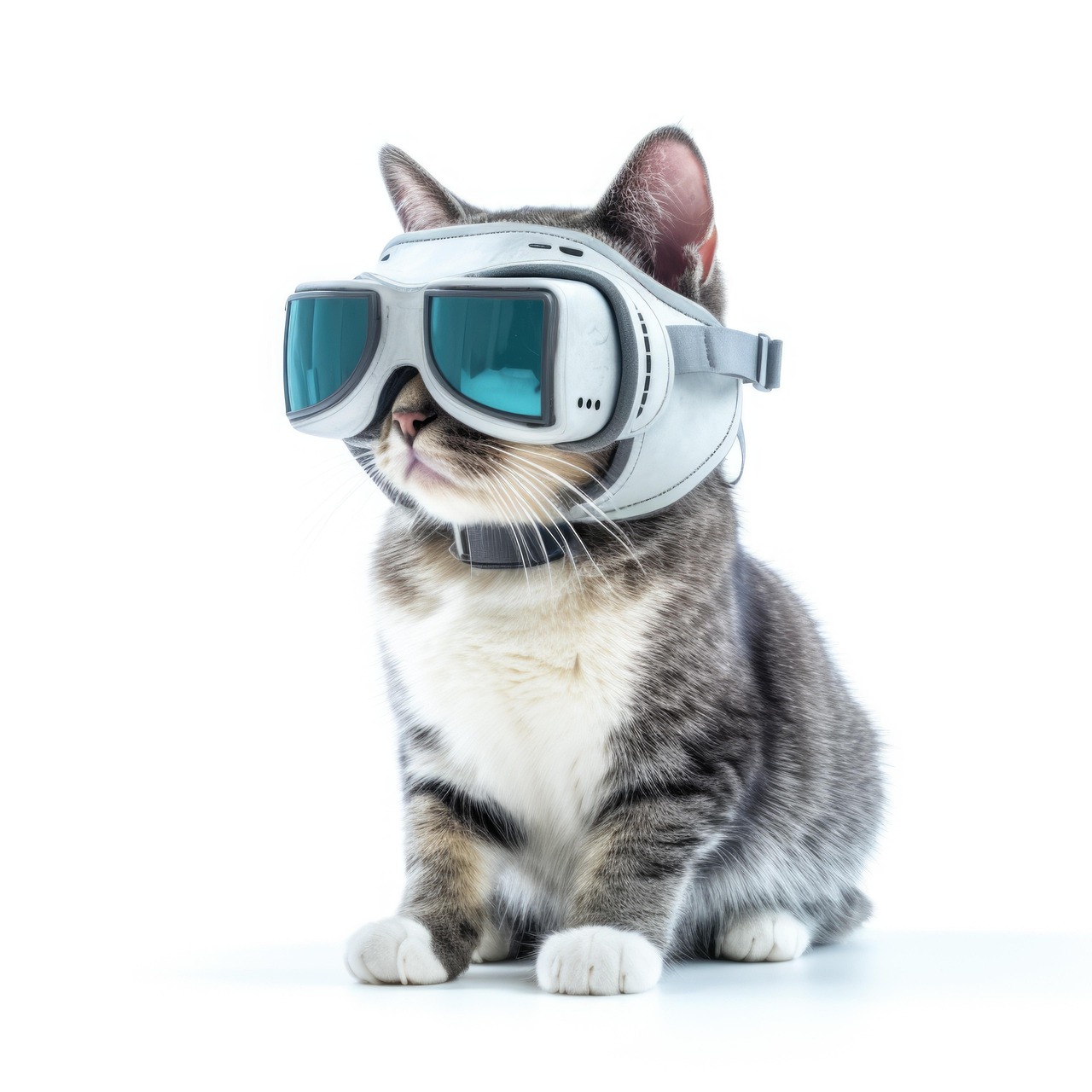
Augmented Reality (AR) is reshaping user engagement in various industries, including cat shows. With technology advancing rapidly, applications integrating AR provide an immersive experience for both participants and spectators. These innovations captivate audiences, transforming traditional shows into interactive events. Attendees can delve deeper into features of intricate breeds and see vivid representations of cats in 3D. Traditional methods of presenting feline companions often lack excitement and appeal—AR breathes life into the experience. Spectators who wear AR glasses or use mobile applications can visualize how specific breeds interact and move. Understanding the attributes and personality of each cat enhances the viewer’s appreciation. Experts predict that as AR technology becomes more accessible, cat shows will see a significant rise in attendance and participation. Users will be eager to experience these unique displays, encouraging more cat owners to enter their pets. This interactive setup might even lead to increased adoption from rescue shelters as the appeal of cats increases through innovative presentations. Furthermore, it bridges the gap between technology enthusiasts and cat lovers, creating a community bonded by shared interests and experiences.
AR isn’t just a novelty; it also serves practical purposes at cat shows. For instance, a well-developed app can provide crucial information about breeds, such as their temperament, health issues, and care requirements. Attendees can scan a cat’s collar to retrieve these details instantly, making the experience both educational and enjoyable. Show organizers see value in enhancing user experience through informative technological features, appealing to a broader audience. Additionally, AR can assist in judging processes, offering judges a straightforward way to assess performance by showcasing competing cats in visually engaging formats. Using AR enhances accuracy and reduces human error during evaluations, allowing for fairer judgments. This innovation also promotes transparency at competitions, as attendees can follow along with how judging decisions are made. By featuring engaging content and relieving the burden on judges, participants remain focused on their showcases. Furthermore, these features can help streamline events, making them accessible to a broader demographic. Potential exhibitors might be drawn by the application’s ability to register entries quickly or view the arena’s layout through their devices. Ultimately, these apps heighten anticipation and excitement for future cat shows.
Creating Community with Interactive Features
The integration of social media functionality within AR applications revolutionizes how cat show enthusiasts connect. Participants can create profiles and share experiences using unique hashtags relevant to each show. This interaction fosters a vibrant online community, building relationships beyond the event itself. Sharing photos and videos taken at the shows encourages user participation and marketing opportunites. When multiple years of events feature unique themes or cats, trends emerge, enabling users to follow best practices in cat care and presentation. Moreover, AR gives users personalized content; they can return to experience highlights from previous events or revisit their most liked exhibits. Features like voting for the best-in-show through the app can increase attendee engagement. Users can connect with one another based on favorite breeds, fostering friendships that could lead to collaborative events, such as local shows and exhibitions. This sense of community will empower individuals, promoting teamwork and cooperative efforts in pet care. Ultimately, a thriving online network expands awareness of local cat shows as users share their positive experiences, drawing in newcomers and enthusiastic participants from different regions.
Augmented Reality applications provide unique promotional platforms for sponsors and businesses affiliated with cat shows. Brands can develop engaging content that appeals directly to their target demographic, offering insights into products that cater specifically to feline companions. By collaborating with show organizers, companies can create targeted advertisements seamlessly integrated into the user experience. As attendees explore different features of the show through AR, they’ll be exposed to relevant products while actively engaged in event activities. For instance, users can receive notifications or discounts for nearby vendors that offer treats, accessories, or products enhancing their pets’ well-being. Offering exclusive promotions through these applications encourages shoppers to capitalize on their preferences, resulting in increased sales. This approach ensures that businesses participating in these sponsorship opportunities maximize exposure while providing valuable resources to attendees. By effectively merging entertainment with commerce, brands can cultivate loyalty among users through their enhanced experience. Over time, satisfied customers will naturally gravitate toward these companies, fostering long-term relationships that benefit all parties involved, including cats, owners, and event organizers alike.
Challenges in Development
While the advantages of AR in cat shows are compelling, several challenges must be addressed during application development. Developers need to ensure user-friendly interfaces; usability is critical for attracting and retaining users. Complicated navigation or excessive features may hinder immersive experiences and user engagement. Testing and iterations are vital throughout the design process, as user feedback informs developers about areas needing improvement. Another challenge entails ensuring that the technology works well in various environments. Cat shows often occur in spacious venues with diverse lighting conditions, requiring adjustments in the AR applications for consistent performance regardless of external factors. Furthermore, accessibility for all users is paramount. Those unfamiliar with technology might struggle to enjoy the experience, which could lead to frustration and disengagement. Fostering an inclusive environment starts with offering tutorials or assistance during events to enhance user confidence and comprehension. Investing in robust customer support channels within the app further enables users to seek help related to features, ensuring a welcoming experience that prioritizes user enjoyment.
Data security and privacy are significant factors developers must consider when creating AR applications. These platforms collect substantial user information, including interests, preferences, and profiles. Securing this data protects users from potential breaches while maintaining trust in the app. Developers should comply with relevant regulations regarding data protection, ensuring that user data remains anonymous unless consent is provided. Educating users about data policies and how their information is managed fosters a transparent relationship between users and developers. Regular updates addressing emerging threats or vulnerabilities help enhance user confidence. Furthermore, creating a system for users to report suspicious behavior ensures accountability and provides opportunities for developers to respond quickly. Guarantees of safety enhance the appeal of AR applications among users considering exploring features demonstrated at cat shows. In a competitive market, ensuring privacy and security can significantly impact user retention. By prioritizing these concerns, developers will cultivate a loyal user base that feels secure using the application while enjoying engaging and educational elements at events.
The Future of Cat Shows with AR
As AR technology evolves, new possibilities emerge for cat shows, promising exciting developments. Innovations in AR experiences will likely include cutting-edge features fostering deeper interactions between users and their environments. Advanced applications could allow users to visualize how various breeds interact with specific settings and environments, creating tailored experiences before selecting pets. This futuristic approach alters potential adoption processes, assisting individuals in finding suitable furry companions by aligning users with their preferences and lifestyles. Additionally, immersive experiences at cat shows will become more localized, meaning attendees can enjoy tailored information based on geographical trends and preferences. Show organizers may consider interactive features, like virtual cat grooming sessions—offer insights into proper care and handling techniques. This approach could combine entertainment with practical tips, promoting better cat ownership practices. Collaborations between developers and organizations committed to feline welfare can further enrich the future of cat shows. Integrating various workshops for attendees could help future cat lovers dive deeper into responsible ownership. These advancements shape the event experience, ensuring that innovative technologies rekindle public interest in cat shows while creating awareness about the joys and responsibilities of having cats.
Embracing augmented reality in cat shows allows uniting technology with the joy of pet appreciation. The ability to leverage AR platforms unlocks a unique experience that celebrates feline companions while fostering community connections and enriching lives. From showcasing the talents of beloved pets to improving user engagement, AR applications hold immense potential on each front. The future of cat shows appears bright, fueled by creativity, inspiration, and the enthusiastic community of cat lovers. Ultimately, the journey leads to deeper connections and lasting friendships—celebrating the joy of owning and loving cats.