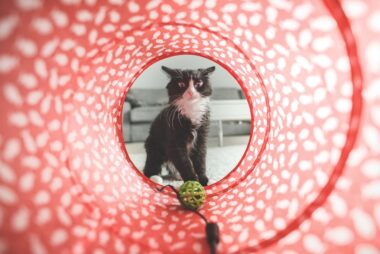

Using Pheromone Therapy to Calm Stressed Adopted Cats
Adopting a cat can be a rewarding experience, but it often comes with some challenges. Newly adopted cats frequently face mental health issues, primarily stemming from their transition into a new environment. It’s important to understand their emotional state, as many might feel frightened or anxious in unfamiliar settings. Recognizing these signs is crucial for their adjustment process. Behavioral indicators can include hiding, excessive meowing, or even aggression towards family members. These behaviors are natural responses to stress and should not be misunderstood. To promote positive mental health for adopted cats, many owners turn to various methods. Among them, pheromone therapy has gained popularity as a viable solution. This non-invasive approach utilizes synthetic pheromones to create a sense of security and calmness in cats. Such pheromones mimic the natural scents that felines produce to feel safe. Utilizing this therapy can significantly enhance the adaptation phase for newly adopted cats and make the overall experience less stressful. It aligns with the broader goal of ensuring a healthy transition that doesn’t negatively impact their mental state. Improving their mental health is essential for fostering a loving, stable bond.
Understanding how pheromone therapy can benefit adopted cats is essential for pet owners. Pheromone products are designed to replicate the calming pheromones that cats naturally produce when they feel content and safe. Products typically come in different forms, such as sprays, diffusers, or collars, allowing for flexibility in usage. By releasing soothing scents into their environment, these products can help reduce stress and anxiety levels during periods of adjustment and even beyond. Many cat owners have noticed a decrease in behavioral problems associated with anxiety when using pheromones around their newly adopted pets. For example, reducing excessive scratching or elimination issues can foster a smoother transition for both cat and owner. Moreover, the sense of security induced by pheromones can assist in overcoming fears linked to unfamiliar environments. Implementing pheromone therapy may also minimize stress during vet visits or home introductions to other pets. It’s crucial, however, to remember that while pheromone therapy is effective, it should complement other methods of cat care. Maintaining consistent routines and providing safe spaces also play an important role in their overall mental well-being. These combined efforts contribute to lasting positive adjustments.
Implementing Pheromone Therapy
When introducing pheromone therapy, timing and approach are significant for effectiveness. It’s advisable to initiate the therapy as soon as the cat arrives at its new home. This proactive measure can help minimize stress while they explore their surroundings. Products like diffusers can be plugged into main living areas, dispersing calming scents throughout the space. Collars can be beneficial when you want your cat to carry a soothing scent wherever they go. It’s essential to read product instructions thoroughly and consult with your veterinarian before using pheromone therapies for optimal safety and results. Observing your cat’s behavior after you begin therapy is crucial in assessing effectiveness. Look for signs of relaxation, reduced hiding, or more enthusiastic interactions with family members. Moreover, keeping stress levels low in the home involves creating an inviting atmosphere. Provide cozy spots, toys, and interactive play to engage your cat positively. By combining effective use of pheromone therapy with environmental enrichment, you can greatly improve your cat’s mental adjustment to their new life. Continuing to monitor their emotional state throughout this period will ensure they adjust well and feel comfortable.
Another vital aspect of promoting a healthy adjustment is patience and understanding. Cats, just like humans, need time to acclimatize to new circumstances. This adjustment period may last days or weeks, depending on the individual cat’s temperament and past experiences. As an owner, ensuring you provide a calm, structured environment can expedite this process. Gentle interactions during this period can also help to build trust between you and your new pet. For instance, allowing them to approach you when they feel ready is key instead of forcing interactions. Offering treats during these interactions can also create positive associations with your presence. Furthermore, following a consistent routine can work wonders in helping your cat settle in. Regular feeding times and play periods will create predictability in their new life. Engaging with your adopted cat using toys and physical activity can further relieve anxiety, reducing the likelihood of stress-induced behaviors. Pheromone therapy will support these initiatives, amplifying your efforts toward a harmonious and calm environment. In unison with these approaches, your cat is more likely to thrive in its new home, leading to lasting happiness and companionship.
Monitoring Your Cat’s Progress
Monitoring your adopted cat’s progress during the adjustment phase is crucial to ensuring their mental health. You should keep a record of any behavioral changes throughout the first few weeks. Noting improvements or any signs of distress will help you, or your veterinarian, gauge the effectiveness of the applied strategies. Pay close attention to their interactions, eating patterns, and general willingness to explore their environment. It’s essential to recognize that some regression may occur as they adjust, particularly after any changes in the environment. For example, a loud noise or an unfamiliar guest may briefly disrupt their comfort. In such instances, observe how quickly they revert to their normal behaviors, as a swift recovery can indicate resilience. Scheduling regular check-ins with your veterinarian is advisable during this period. They can offer guidance on how to adjust your approach if necessary and may recommend additional therapies or behavioral training techniques. Consistent check-ins on their behavioral and mental state will ensure continuous improvement. With patience and careful monitoring, you can set the stage for your adopted cat to flourish emotionally and feel truly at home.
Combining various strategies can enhance the effects of pheromone therapy in easing anxiety among adopted cats. Environmental enrichment, such as climbing trees, scratching posts, and interactive toys, can significantly boost their overall wellbeing. Providing refuge spots where they can retreat when feeling overwhelmed will aid in promoting a sense of safety and control. Cats are natural explorers, so allowing them access to different areas of your home under supervision can help them adjust. Also, engaging them in play can relieve stress and foster a bond between the two of you. Understanding feline body language can further assist in knowing when they need a break or preferred interaction. If they display any signs of discomfort, such as flattened ears or a twitching tail, respect their need for space. Play sessions should involve engaging their hunting instincts through interactive toys, which can also alleviate boredom. This combination of enriched environments alongside pheromone therapy represents an effective strategy for nurturing your new pet’s mental health. Attending to their individual preferences and maintaining a close eye on their reactions elevates their comfort in a new home, paving the way toward stability and security.
The Long-term Benefits of Pheromone Therapy
Utilizing pheromone therapy consistently over the long term will help establish a foundation of stability for your newly adopted cat. As cats continue to feel secure in their environment, they are less likely to develop negative behavioral patterns. Long-term use can lead to increased confidence in your cat, ultimately fostering more profound relationships within the household. This heightened sense of safety allows for improved interactions, reducing the likelihood of stress and anxiety in various situations. Additionally, the positive impact of this therapy can be extensive, often extending to interactions with other pets or visitors as they adjust to new experiences. It can also create a calmer atmosphere during events like veterinary visits or traveling. As you observe ongoing improvements, you’ll likely notice your cat naturally become more friendly, adventurous, and emotionally healthy. Investing in their mental health through pheromone therapy serves not only the immediate needs of newly adopted cats but also contributes to their overall quality of life. Watching them thrive and flourish over time is a rewarding aspect of adopting pets and integral to a loving relationship.
In conclusion, pheromone therapy offers a promising approach for easing the transition process for adopted cats. Whether you choose diffusers, sprays, or collars, this therapy can significantly alleviate stress and enhance mental health. It’s essential to combine this therapy with a nurturing environment that promotes trust and security. Alongside monitoring your cat’s progression and adjustments, utilizing various strategies will further improve their mental wellbeing. Owners should remain patient and allow their new pet time to acclimatize. The benefits of successful adoption can lead to a fulfilling partnership, characterized by companionship and love. As you support your cat’s mental health journey through pheromone therapy, you contribute positively to their overall happiness and contentment. Witnessing your cat transform into a well-adjusted companion adds joy and fulfillment to pet ownership. Investing in their emotional state creates a harmonious home environment where they can thrive. Consider pheromone therapy as an effective tool in achieving this goal, and embrace a journey shared with your adopted feline friend.