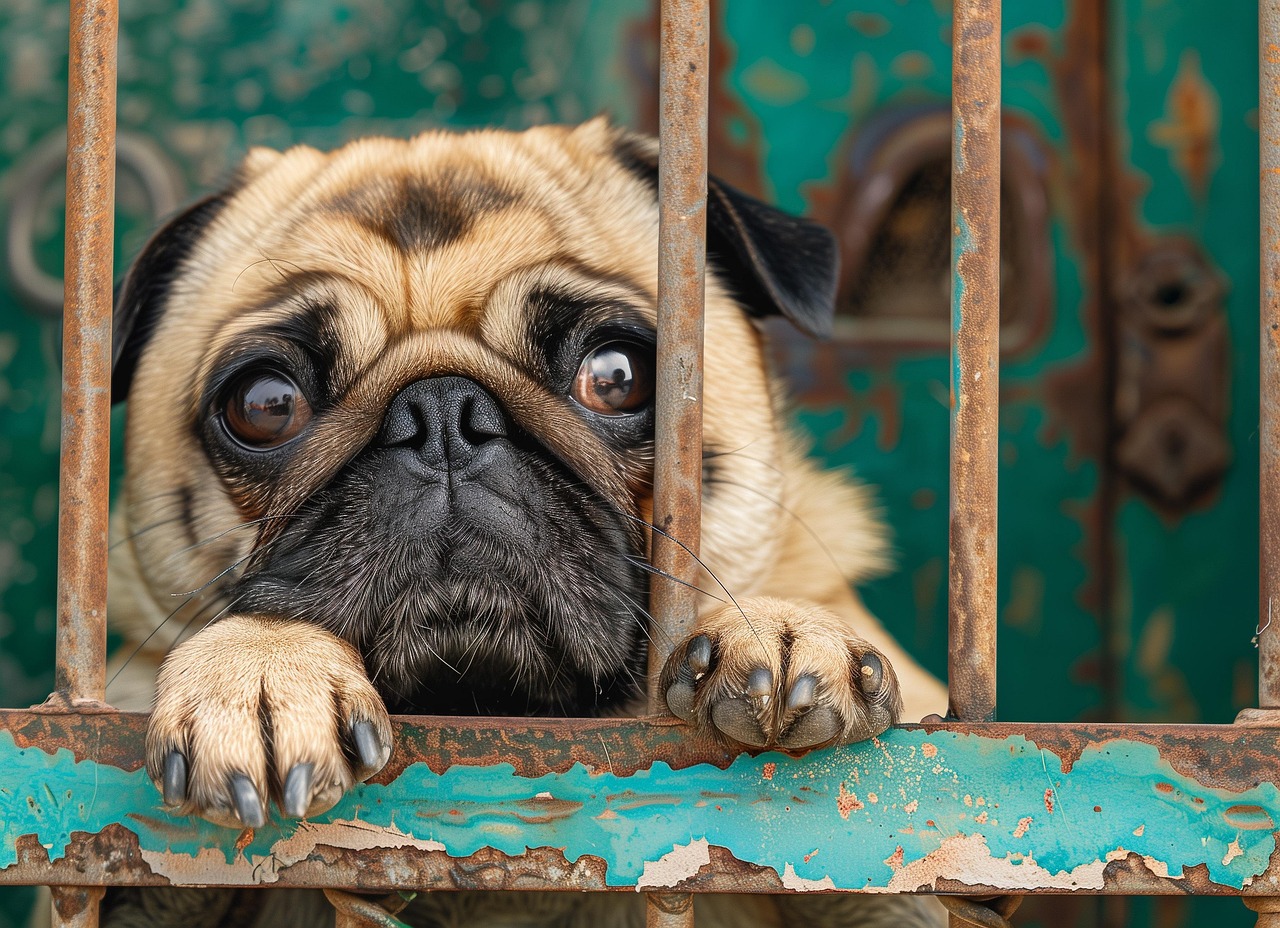

What to Expect During Your First Visit to the Dog Shelter
Visiting a dog shelter for the first time is an exciting experience filled with anticipation. You may wonder which companion will tug at your heartstrings. It’s important to enter with an open mind and heart, ready to meet various dogs with different personalities. Prior to your visit, it can be beneficial to research the shelter’s adoption process, available breeds, and any specific requirements they might have. Many shelters have websites detailing their available dogs along with photos and descriptions. This allows you to list any favorites before arriving. Additionally, consider your own lifestyle, preferences, and home environment, as these factors will significantly influence your choice. Preparation can help you make a thoughtful decision about which dog might be the best fit for adoption. Be sure to also think about any family dynamics, children, or existing pets that need to be considered before bringing a new member into your home. Ultimately, your visit should be about finding a dog that complements your life while ensuring a happy addition to your family. You can find valuable resources about adoption at your local shelter’s website.
During your first visit, you’ll likely encounter a variety of barking, wagging tails, and eager faces. Each dog has its own unique personality traits and quirks, which can make your visit both overwhelming and exciting. Once you’ve entered the shelter, a staff member may greet you and offer assistance. They can provide valuable insights into each dog’s individual needs and temperaments. Don’t feel pressured; you can take your time to walk around and meet these animals. As you visit with different dogs, take note of how they react to you. A calm, friendly pup may show interest, while some may appear shy or fearful, needing more time to come out of their shells. You’ll also want to observe any behavioral issues, such as excessive barking or jumping. After interacting with a few dogs, you can get a better understanding of which animals resonate with you. If you have dogs at home already, ask the shelter about their dog introduction process. This ensures that the new dog will be a harmonious addition to your current household.
Interacting with Dogs
When meeting a potential new furry friend, there are several ways to interact that can help you assess compatibility. Begin by sitting or kneeling at the dog’s level to appear less intimidating. Let the dog approach you on its own terms, which builds trust. You can extend your hand slowly, allowing the dog to sniff and get familiar with your scent. Watch how the dog responds to your presence and voice. Some dogs might demonstrate excitement, while others may take a more cautious approach. Each dog’s comfort level is different and may give you clues about their overall demeanor. Be sure to ask the shelter staff questions about the dog’s history and behavior, as this information can help you make an informed decision. In addition, you can encourage interaction through gentle play with toys or treats. This can give you a feel for the dog’s energy levels and their preferred playstyle. You should also consider how well potential dogs respond to basic commands, indicating their training level and willingness to learn.
Understanding the Adoption Process
Understanding the shelter’s adoption process is crucial to ensure a smooth transition after you choose a dog. Each shelter has its own criteria and requirements, including adoption fees, necessary paperwork, and home-check protocols. It’s a good idea to ask about these details during your visit. Most shelters will require an application, where you’ll provide information about your lifestyle, home environment, and other pets. Be prepared to have your application reviewed, as some shelters take this step seriously to ensure a good fit for both the dog and the adopter. It is also possible that they may require a meet-and-greet session with any resident pets before finalizing adoption. Adoption fees often contribute to the overall care of the animals at the shelter, including vaccinations and spaying/neutering. Make sure to discuss any potential additional costs, such as vet bills or supplies. It is vital to understand your responsibilities after adopting a dog, including ongoing care, training, and socialization. This will help ensure that both you and your new companion have a happy and fulfilling relationship.
Being at a dog shelter is just the beginning of your journey toward pet companionship. Once you’ve chosen a dog, it’s time to prepare your home for the new arrival. You’ll need to gather essential supplies, such as food and water bowls, dog food that suits the dog’s dietary needs, a comfortable bed, toys for entertainment, and proper grooming supplies. Additionally, consider pet-proofing your home by removing any hazardous items that the dog could reach. Designate a specific area in your home for your new pet to feel secure, such as a quiet corner with their bed and toys. Keeping a consistent routine will help your dog adjust and feel comfortable in their new environment. Establish specific times for feeding, walks, and play to encourage structure. Remember, building trust and a bond with your new dog will take time and patience. Take it slow, and allow your dog to explore their new surroundings at their own pace. Socialization with other dogs and people is equally important, so consider enrolling in local training classes or community events.
After Adoption Care
After adopting your new furry friend, ongoing care is paramount to ensure a harmonious and fulfilling life together. Schedule a vet appointment soon after bringing them home for a health check and vaccinations, if necessary. Discuss preventive care options like flea and tick treatments, as well as spaying or neutering if it hasn’t already been done. Remember that post-adoption adjustments can vary greatly from dog to dog, so be prepared for possible behavioral changes as your pet acclimates to their new environment. To keep your dog mentally and physically stimulated, incorporate regular exercise into your daily routine. Fun activities like walks, playtime, and trips to the dog park contribute to a healthy and happy lifestyle. Socialization with other dogs and people should also be a priority, as this builds confidence and helps prevent fear-based behaviors. Training sessions, whether at home or through formal classes, can strengthen your bond while teaching obedience skills. Lastly, be patient and consistent, as forming trust takes time. Nurturing your relationship is key to a successful and loving companionship.
In conclusion, visiting a dog shelter can be one of the most rewarding experiences of your life. With preparation and an open heart, you can find your perfect pet companion. Remember that dogs of all backgrounds and breeds are waiting for loving homes. Understanding the dog adoption process can eliminate stress and assist you in finding the right match. Every dog deserves a second chance, and your efforts can provide them with the love and care they need. Engaging with different animals will help you gauge their personalities while building connections. An essential part of this journey is understanding ongoing responsibilities, as adopting a dog requires commitment and patience. Once you’ve welcomed a dog into your life, the focus will shift to creating a harmonious environment that supports their well-being. With love, guidance, and commitment, you can nurture them into a loving and cherished member of your family. Always remember the importance of responsible pet ownership, which leads to happier lives for both you and your new friend. For more information about shelters and adoption, consult local resources and connect with others who share your love of dogs.