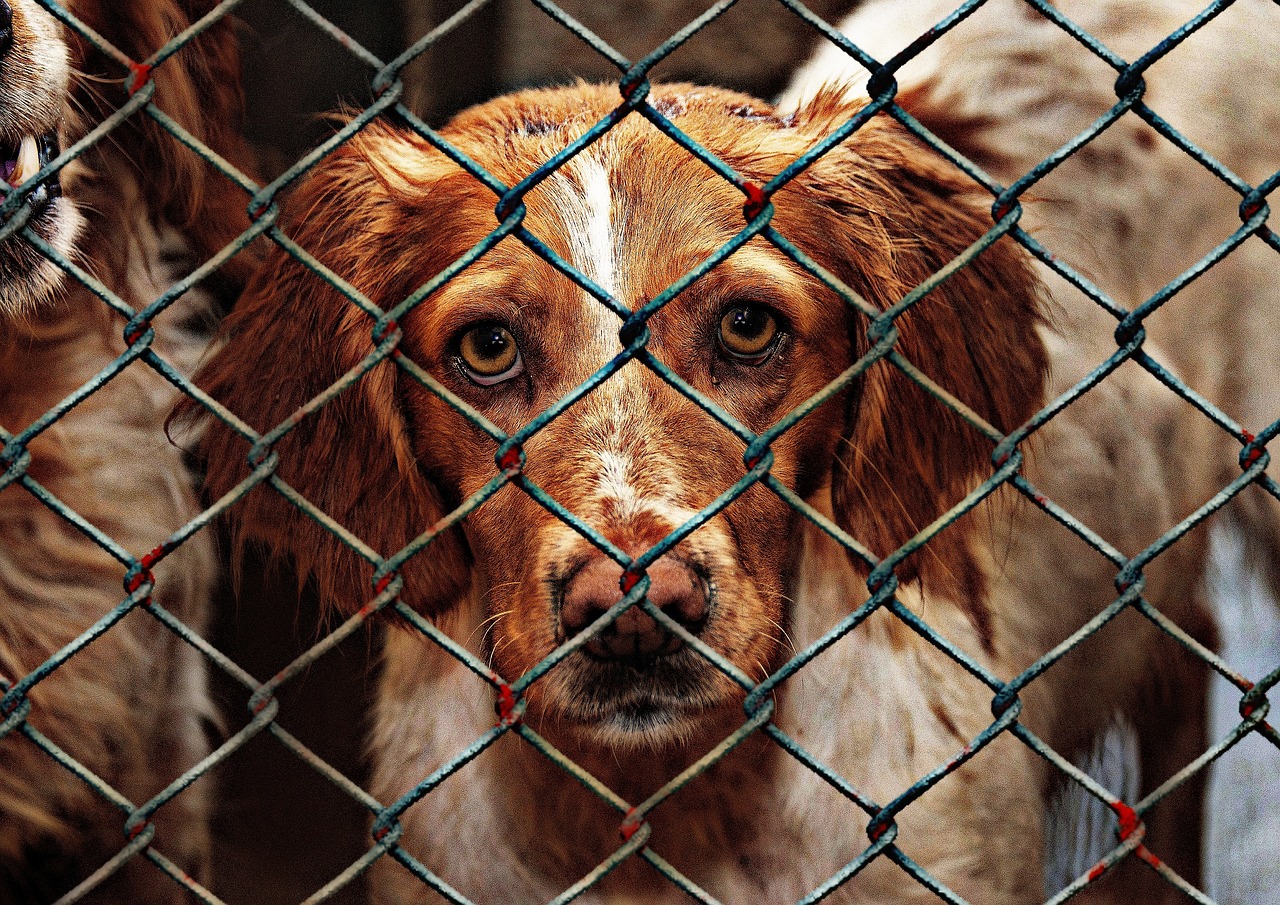

Cross-Cultural Understanding of Dog Rescue
The effort to rescue dogs often varies significantly across cultures, as perspectives on animal rights differ widely. In many Western countries, dog rescue operations often receive significant support from local communities. This cultural backdrop emphasizes the intrinsic value of animal welfare, manifesting in various organized rescue groups and advocacy campaigns. These efforts are fueled through public donations and sponsorships aimed at shelters. In contrast, some cultures may not prioritize animals in the same way, viewing dogs mainly as working animals. This disparity highlights how deeply cultural beliefs impact perceptions of animal companionship and safety. To promote effective dog rescue initiatives globally, it’s crucial for advocates to appreciate these cultural differences. Each region has unique challenges and advantages, making approaches to rescue diverse. Engaging local communities in rescue efforts can foster collaborative actions that extend beyond surface-level engagements. To bridge these gaps, fostering empathy by sharing stories about rescued dogs can connect individuals across cultural boundaries. This cross-cultural dialogue can ultimately enhance global efforts for animal welfare and promote an inclusive environment that encourages diverse initiatives on dog rescue and animal rights.
Legislation and Its Impact
In countries where animal rights are legally recognized, there tends to be a higher level of funding and support for dog rescue organizations. Legislation such as the Animal Welfare Act in the United States demonstrates the commitment of certain governments to protect animals. These laws establish basic rights for animals and hold individuals accountable for acts of cruelty. As a result, rescue organizations often work within a supportive legal framework that enables them to operate effectively. On the other hand, in regions lacking adequate animal welfare legislation, dogs suffer significantly due to lack of protection. Consequently, dog rescue efforts face severe obstacles, including limited resources and widespread neglect. Therefore, it is essential for advocates in countries with weaker laws to collaborate with international organizations to advance legislative reforms. This shared goal can mobilize public opinion and influence governments to adopt favorable legislation that protects animals. Awareness campaigns can serve as valuable tools to educate the public about the importance of animal rights. Ultimately, comprehensive legislation and robust dog rescue initiatives work hand in hand to create a safer environment for dogs and improve their overall quality of life.
In addition to legislation, societal attitudes towards dogs significantly define the success of rescue efforts. Cultures that regard dogs as treasured family members often mobilize stronger community engagement around rescue operations. In contrast, societies where dogs are regarded merely as property may view rescue efforts with skepticism. This fundamental difference profoundly affects the potential for successful, long-term dog welfare initiatives. Thus, community education plays a crucial role in altering perceptions and increasing support for dog rescue. By educating individuals about the emotional and psychological benefits of adopting pets, advocates can inspire a community spirit that embraces rescue. Showcasing success stories of adopted dogs can further ignite motivation. Highlighting how rescued dogs thrive in loving homes helps to establish a connection between communities and the mission behind animal rescues. Engaging local influencers and utilizing social media platforms can amplify these messages, reaching a broader audience. Consequently, transforming mindsets around dog ownership empowers societies to prioritize animal welfare. Investing time and resources in these educational initiatives can result in thriving communities dedicated to uplifting the lives of dogs and ensuring that rescue efforts remain sustainable over time.
Challenges in Dog Rescue
While the passion for dog rescue transcends cultures, numerous challenges impede effective action. Issues such as overpopulation in shelters, inadequate funding, and lack of awareness hinder the potential impact of dog rescue efforts. In many countries, the sheer number of abandoned dogs can overwhelm rescues, forcing them to prioritize certain breeds over others. Additionally, financial constraints limit the scope and reach of many organizations, impeding their ability to provide essential medical care. Support from the government and the community is vital in alleviating these issues, ensuring sufficient resources for dogs in need. The stigma also associated with adopting rescued dogs can dissuade potential adopters, as misconceptions around behavior and health can linger. Thus, it’s crucial to provide accurate information addressing these misunderstandings. Solutions often lie in grassroots initiatives promoting the adoption of rescued dogs and enabling community involvement. Creating awareness about the importance of spaying and neutering pets can also help resolve the root issues driving overpopulation, benefiting both animals and communities alike. Ultimately, addressing these challenges requires collaboration and innovative strategies that engage people in meaningful ways to enhance dog rescue outcomes.
International cooperation is pivotal in creating a successful dog rescue network. Establishing partnerships among organizations across borders can enhance resource sharing and information exchange. These partnerships can also focus on strategizing best practices that effectively cater to the unique needs of various regions. For instance, some countries may excel in fostering successful foster pet programs, while others might have experience in effective rehabilitation techniques. Through systematic collaboration, multiple organizations can learn from one another and adapt successful practices to their local contexts. Moreover, engaging cultural ambassadors in these international efforts can bridge gaps in understanding while fostering a sense of empowerment. By creating a global community united for dog rescue, we can expand the reach of initiatives that save countless lives. Advocacy campaigns can further enhance visibility and garner support for these cross-cultural efforts. This united front encourages recognition of the shared responsibility between countries to foster animal welfare worldwide. Ultimately, an international cooperative model stands to revolutionize dog rescue, creating an inclusive network that respects the cultural nuances and specific challenges faced across borders.
Incorporating Technology in Dog Rescue
In recent years, technology has become an indispensable tool for enhancing dog rescue operations. From social media platforms to dedicated apps, innovative technologies allow organizations to reach a broader audience. Social media enables rescues to share compelling stories, photos, and videos of animals in need, drawing significant attention from potential adopters. Furthermore, campaigns can leverage user-generated content, creating a community of advocates dedicated to dog welfare. Mobile applications streamline the adoption process, making it easier for new pet owners to connect with local shelters and rescues. The convenience offered by technology also allows rescues to organize events and fundraisers more efficiently. Additionally, online databases can provide real-time information regarding available dogs, encouraging a quicker adoption cycle. Data tracking can also enhance operational efficiencies, helping organizations assess their impact and adapt methods accordingly. Moreover, technology can support educational programs focused on fostering responsible pet ownership. As dog rescue continues to evolve, embracing technological advancements will be paramount. By harnessing these tools, rescues can augment their reach and effectiveness, ensuring that dogs find loving homes and receive proper care.
The future of dog rescue relies heavily on community involvement and awareness. Mobilizing individuals to participate actively in various initiatives fosters a culture of compassion towards animals. Volunteering, donating, or even sharing social media posts can substantially increase visibility for local rescues. Education plays a critical role, as it helps demystify the complexities of dog rescue. The more informed the community is, the more likely it is to contribute positively to the cause. Encouraging open conversations about animal rights allows individuals to discuss and learn about pertinent issues together. Workshops, seminars, and outreach programs serve as vital touchpoints for community engagement. Collaborations with schools to initiate educational programs around responsible pet ownership can also have lasting effects. Activating youth involvement ensures that future generations are committed to animal welfare, creating a sustainable cycle of compassion. As society progresses, integrating concepts of empathy and respect for all living beings into daily conversations can strengthen community ties dedicated to dog rescue. Ultimately, fostering vibrant community networks is essential for advancing the cause of dog rescue and ensuring that animal rights are upheld around the globe.
Global Awareness of Animal Rights
Lastly, the global awareness of animal rights continues to grow, reflecting a shift towards a more compassionate world. This rise in awareness fosters a demand for reform and better treatment of all animals, including dogs. Major sporting events, celebrity endorsements, and viral media campaigns often highlight the plight of animals, directing attention towards necessary changes. Many organizations are now working on raising awareness using powerful storytelling. By personalizing the struggles dogs face through emotional narratives, they inspire supporters to take action to advance animal rights. Events such as Global Animal Rights Day help mobilize sympathizers worldwide, advocating for a world where all animals enjoy basic rights and protections. Collaboration among various countries can also strengthen this momentum, as shared goals unite advocates globally. Engaging diverse cultures and perspectives in the conversation emphasizes the universal value of kindness. The challenge lies in ensuring that this newfound awareness translates into meaningful changes. This involves persistent advocacy and the willingness to confront deep-rooted beliefs. With continued efforts in dog rescue and the promotion of animal rights, we can anticipate a future where animals are cherished equally across cultures.