
Understanding Maternal Behaviors
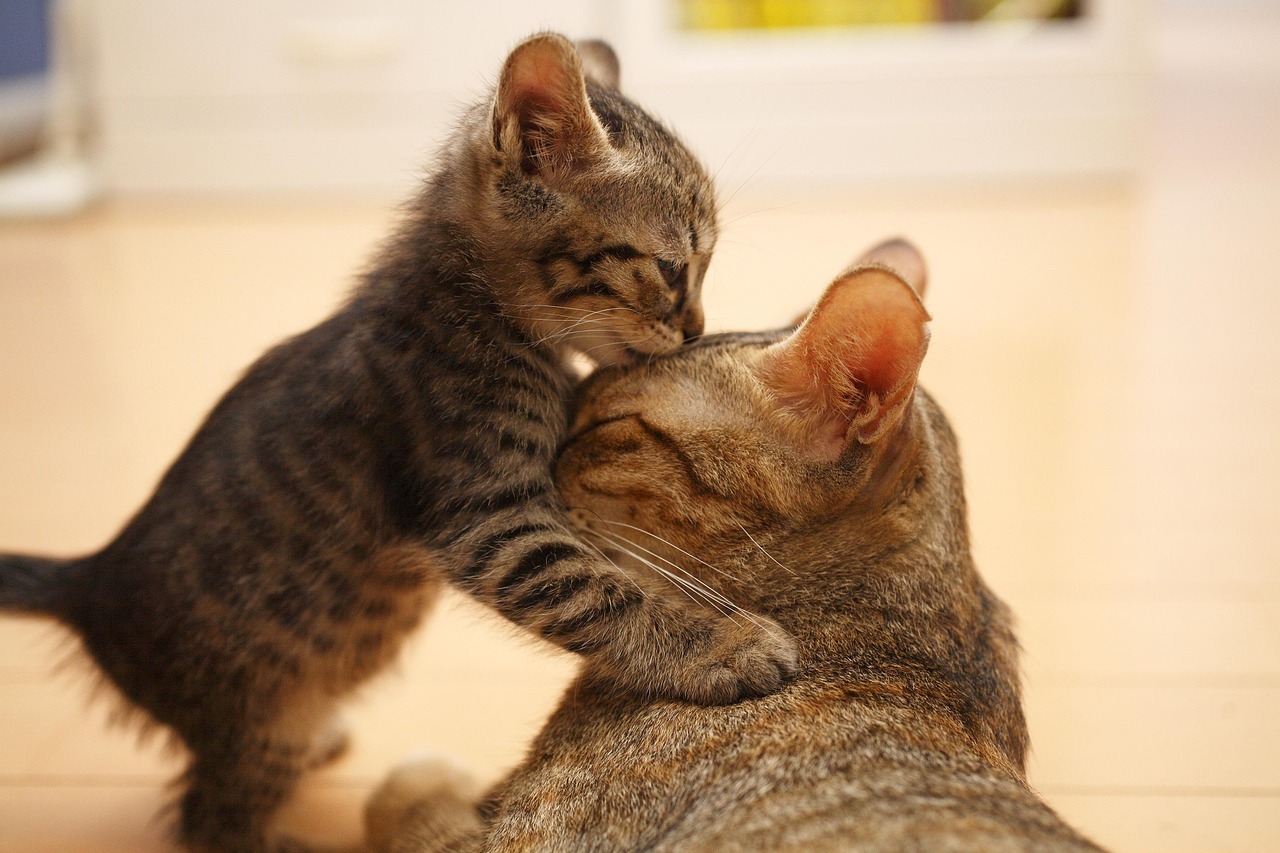
Mother cats possess a remarkable set of behaviors that enable them to teach their kittens critical survival skills. These maternal instincts are innate and essential for the survival and development of the young cats. From birth, kittens are entirely dependent on their mothers for warmth, nourishment, and guidance. As they grow, mothers instinctively engage in various behaviors that facilitate learning. For instance, grooming serves not only hygienic purposes but also promotes bonding between the mother and her kittens. This nurturing interaction strengthens the emotional connection, allowing kittens to feel safe as they explore their environment. Another crucial behavior is vocalization; mother cats communicate with their kittens through a range of sounds, teaching them how to respond appropriately. Through these early interactions, kittens learn social cues and what is considered acceptable behavior. When socialized effectively, these skills will serve them well throughout their lives. It’s fascinating to observe a mother cat’s dedication to her kittens, as she balances training them while ensuring their safety. Each action by the mother cat is meticulously calculated to enhance her kittens’ chances of survival in a complex world.
The Role of Play
Playtime is an essential aspect of kitten development and learning. Mother cats engage in play with their kittens as a means of teaching them important hunting skills. During these playful interactions, kittens practice pouncing, stalking, and wrestling, all of which are integral to their future survival. Mother cats often initiate these sessions, showcasing various movements that stimulate the kittens’ instincts. Through play, kittens can also learn limits and boundaries, which is critical for socialization. They begin to understand the dynamics of a predator-prey relationship, which will be crucial when they face real situations later in life. Moreover, through gentle corrections, the mother cat can guide her young ones on how to behave with littermates or other animals. These lessons are subtle, yet they impart significant knowledge about their environment. It’s during play that kittens develop coordination, agility, and confidence. All these skills come into play when they eventually venture out and face the world independently. An engaging play environment fosters healthy development and promotes the well-being of the kittens.
Another crucial component of maternal teaching is the importance of exploring the environment. Mother cats encourage their kittens to venture outside the den and explore their surroundings. By doing so, she exposes them to various stimuli, allowing them to engage their senses. This exploration is vital for developing a kitten’s confidence and understanding of their habitat. A mother cat will often guide her kittens by demonstrating appropriate behavior, such as sniffing or cautiously approaching new objects. Through her demonstrations, the kittens learn what is safe and what to avoid. This learning process also includes recognizing potential dangers, such as unfamiliar sounds or sights. A mother cat’s protective instincts kick in when she senses a threat, teaching her kittens to react accordingly. Additionally, this exploration phase helps enhance their problem-solving skills, as kittens navigate their environment and learn to overcome obstacles. The experiences gained during these early exploration attempts set the groundwork for how they will interact with the world as fully grown cats. Thus, the maternal role is multifaceted, encompassing both protection and education.
Another way mother cats impart critical lessons is through the introduction of prey capture techniques. As kittens age, they observe their mother hunting and catching small prey, which serves as a live demonstration of essential survival skills. By watching closely, kittens learn how to stalk, pounce, and effectively use their claws. Mothers often bring their prey back to the den, allowing kittens to observe the entire process, including the killing and feasting stages. By witnessing this firsthand, kittens acquire a natural understanding of the hunting cycle. Occasionally, a mother cat may even present her kittens with the opportunity to practice their own skills on small, safely captured prey. This hands-on experience solidifies their learning and boosts their confidence in engaging with live animals. These hunting lessons are not just about acquiring food; they also teach the importance of patience, stealth, and precision. Furthermore, the mother cat reinforces these lessons with positive reinforcement, encouraging them when they demonstrate the desired behavior. This combination of observation and practice is crucial for preparing the kittens for eventual independence.
Socialization is another critical skill mother cats help develop in their kittens. The early stages of life are essential for social growth, as kittens learn to interact with not only their mother but also their littermates. Through rough play and gentle biting, kittens learn about social hierarchy, communication, and boundaries. A mother cat helps to facilitate these interactions, stepping in when necessary to correct behaviors that may be too aggressive or inappropriate. By guiding the kittens through play behavior, they learn critical social skills that are integral for building relationships when they grow older. Moreover, mother cats also expose their kittens to other animals within the household, acclimating them to different environments and social situations. This exposure is vital for their future interactions with humans and other pets. As a result, kittens who were effectively socialized during these early stages often grow up to be more adaptable and well-rounded adults. The impact of these early lessons on socialization cannot be underestimated, as they shape the kittens’ ability to navigate complex social dynamics throughout their lives.
Mother cats also teach their kittens essential survival skills regarding foraging. As the kittens grow, their mother demonstrates how to find and identify food sources. While nursing is crucial in the early days, eventually, kittens will need to transition to solid food. This gradual introduction is facilitated by the mother cat, who starts to bring back small prey items for her kittens to explore and taste. The lessons do not just involve food consumption; they also encompass understanding which foods are safe to eat, which is vital for avoiding toxic substances. Kittens watch their mother carefully select food, learning about their dietary needs and preferences. This knowledge will serve them well as they grow more independent and begin to forage on their own. Additionally, hunting skills naturally extend to locating sources of water, as hydration is crucial for survival. Through these teaching moments, mother cats ensure their offspring can sustain themselves even when they no longer rely on her for food. Consequently, these lessons lay the foundation for their future as self-sufficient cats.
Finally, the emotional support provided by mother cats plays a significant role in the overall development of their kittens. Beyond teaching practical survival skills, a mother cat is a source of stability and comfort. The bond formed between a mother and her kittens is profound, as she protects and nurtures them during their formative weeks. This emotional connection allows kittens to thrive, providing them with a sense of security. In times of stress or exploration, they often look to their mother for assurance. The presence of their mother can also soothe fears, helping them face new experiences with greater confidence. A nurturing mother cat promotes healthy emotional development by instilling a sense of safety and trust in her young. The lessons learned during this bonding phase impact not only their early lives but also their future interactions with other cats and humans. Emotionally secure cats are often more sociable and better equipped to handle the challenges of adulthood. Thus, maternal behaviors encompass a wide range of teaching moments, blending practical skills with emotional growth.
The Influence of Environment
There are significant variances in how mother cats teach their kittens based on their environment. In a safe and enriched setting, a mother cat may take a more hands-off approach, allowing her kittens to explore freely. This freedom aids in developing self-confidence, as kittens learn to manage challenges on their own. Conversely, in a more perilous environment, mothers may be more protective, curtailing exploration to ensure safety. In such cases, she’ll employ her instinctive protective behaviors, leading her kittens to safe spaces while teaching them essential survival skills through cautionary examples. For instance, if a mother cat notices a potential predator, she will react by hiding her kittens and demonstrating stealth, instructing them on how to remain undetected. This adaptability in her teaching methods signifies the importance of context in maternal instruction. Moreover, kittens raised in households with other pets may gain additional social cues from their interactions, enhancing their learning experiences. All these experiences ultimately influence a kitten’s confidence, adaptability, and problem-solving skills as they mature into independent cats.