
Integrating Cat Housing with Garden Spaces
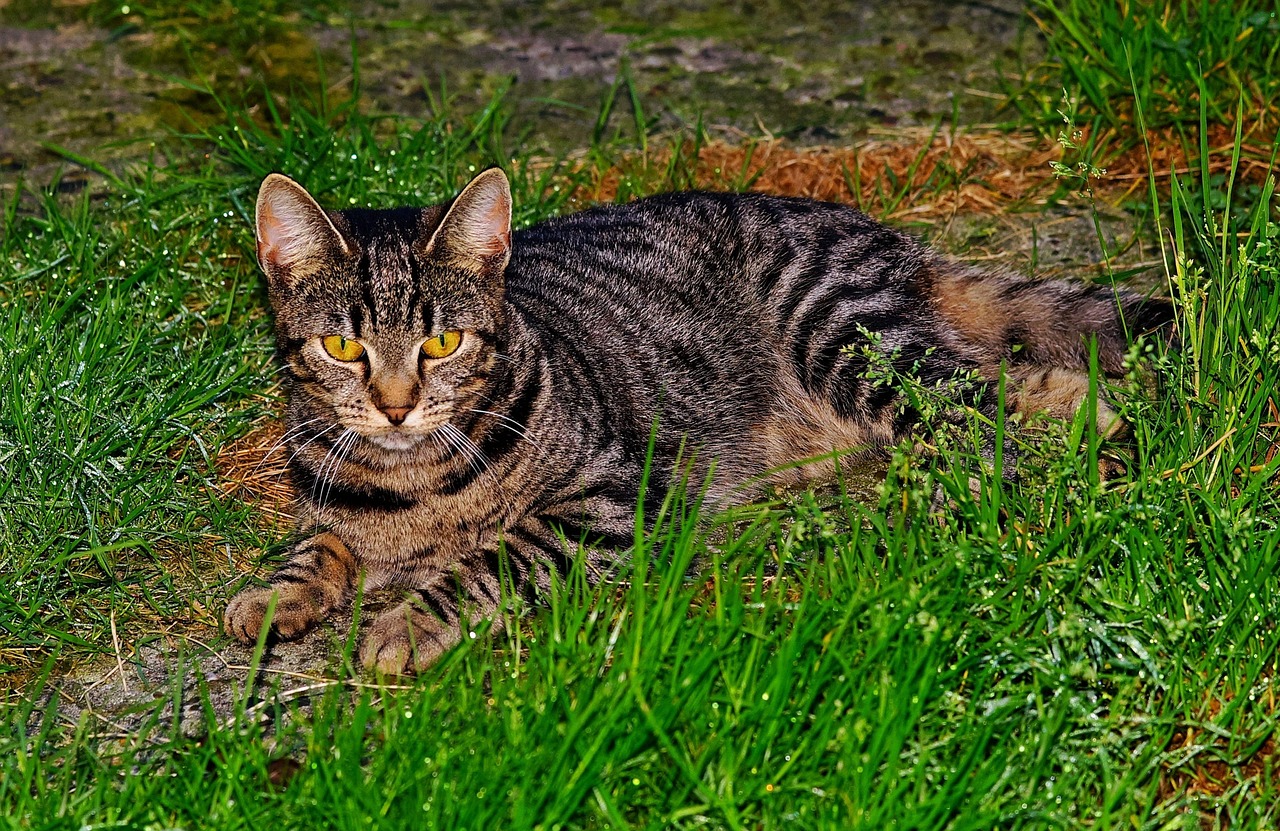
Creating a harmonious environment for cats and their owners can start with thoughtful cat housing designs that seamlessly blend with garden spaces. Consider cat houses that mimic natural habitats, using natural materials like wood, bamboo, or straw. Such designs not only provide comfort but also enhance aesthetics. Incorporating access points, like tunnels or ramps, allows cats to explore safely without deterring from the beauty of the garden. Placing these structures in shaded areas protects the cats from sunburn or overheating. Additionally, adding plants that are non-toxic to cats can create an even more inviting environment. This way, they can enjoy their time outdoors surrounded by nature. Mesh screens are useful for keeping cats secured while allowing them to bask in the sun or observe wildlife. It also prevents local birds from becoming potential prey. Utilize colors and textures that match the garden’s theme. Integrating cat housing into landscaped areas not only improves functionality but can provide a cozy retreat for your feline friends, allowing them to connect with their natural instincts and tap into their curiosity. Encourage exploration by designing playful yet safe pathways throughout the space, reinforcing their adventurous spirit.
Another wonderful element to consider is vertical space when planning cat housing integrated with gardens. Cats love climbing and high vantage points; thus, strategically placed platforms, shelves, and cat trees play a critical role. These elements can be designed as part of the garden structure, using materials that match existing garden features. For instance, creating a multi-tiered cat shelf that flows with flower beds or shrubs can be visually appealing. Adding features like overhangs and canopies creates a fantasy world for them to enjoy. Offering a variety of perches and heights allows cats to express their territorial instincts while also providing essential mental stimulation. Moreover, incorporating soft, comfortable bedding on these shelves can encourage relaxation. Consider also planting climbing plants like catnip or honeysuckle around these structures to entice cats. When creating these vertical spaces, always prioritize safety by ensuring that all materials are sturdy and well-anchored. Cats love to jump and leap, so these elements must withstand their energy. Properly designed vertical spaces can transform your garden area into an interactive playground and a cozy haven, fostering your cats’ physical health and happiness in a safe outdoor environment.
Privacy is also crucial for feline comfort in a garden setting. When integrating cat housing into these spaces, providing secluded corners or hideaways allows cats to feel secure and less exposed. Enclosed spaces can be incorporated which serve as safe retreats. These spaces might include cozy cat igloos or sunny hideouts framed by pet-friendly plants. Placing these private areas within natural borders, like hedges or decorative trees, adds to the tranquil atmosphere while helping to keep wandering eyes away. Cats naturally seek out quiet, calm spots to rest, making it essential to consider their privacy needs in the design. You might also include tunnels connecting cat houses to create exciting explorations. Ensure these spaces allow for airflow and sunshine for added comfort. When considering flooring within private zones, using natural, easy-to-clean materials can be beneficial. Additionally, consider incorporating cat-friendly landscaping to enhance these retreats. Allowing your cats to have their quiet, personal spaces will significantly enrich their outdoor experience while aligning with the broader garden design, promoting relaxation and overall well-being in their environment.
Enhancing Outdoor Experiences
By incorporating stimulating elements into garden spaces, your cats can enjoy their environment more fully. Designing play areas within the garden creates an irresistible invitation for exploration and activity. Incorporate features like climbing frames, rope bridges, or even homemade mazes using safe cat toys, which serve to enrich their outdoor experience. Remember to rotate these features occasionally to keep your cats engaged and curious. Water features, such as small ponds or fountains, can also enhance the environment, as many cats enjoy playing with falling water. However, it’s essential to ensure these features are safe and monitored, as cats can easily slip or be curious about deeper water bodies. Seasonal changes in the garden can also offer fresh scents and sights for your feline friends, keeping their instincts sharp. Choose durable materials designed to withstand outdoor conditions while providing a pleasing aesthetic. Sustainable practices such as using repurposed items can further enhance the organic feel of the garden. These stimulating elements can turn any basic garden into a lively, engaging, and thriving environment that benefits your pet’s health and behavior, making it a fun place for them to explore.
Integrating feeding stations into your garden design is another crucial aspect. Cats thrive on routine, making it essential to designate unique spots for food and water that blend seamlessly with garden elements. Choose areas with natural shade to keep food fresh and appealing. Consider stylish feeding bowls made from non-toxic materials that match the garden’s decor, creating a cohesive look. Suspended feeders designed to keep pests away from food can be practical. Having a consistent feeding spot reduces outdoor stress for your kitty and encourages regular feeding patterns. Fresh water sources should be easily accessible and kept clean, providing hydration in the warm months. Additionally, consider including treats for your feline friends in hidden nooks throughout the garden, rewarding their adventurous spirit. Enrich their mealtime experience with interactive feeding toys or slow feeders, stimulating their natural hunting instincts. Integrating these feeding stations as natural features creates a lovely balance between aesthetics and practicality. With careful placement and design, you can ensure satisfying mealtimes that enhance their overall outdoor experience while ensuring their safety and well-being.
Lighting plays an underestimated role in the integration of cat housing within garden spaces. Proper lighting design allows safe cat movement during twilight hours while highlighting beautiful landscapes. Install solar-powered lights along pathways or near cat houses to softly illuminate their surroundings. Keeping cats safe from nocturnal wildlife while giving them confidence to explore safely. Timed outdoor lighting can create a magical atmosphere during various seasons, especially in colder months when gardens come alive with different seasonal plants. You might also consider installing uplighting directed at trees or shrubs to emphasize natural beauty, which can attract their curiosity. Using warm-toned lights promotes a cozy environment that can enhance playfulness. Ensure all electrical components are secured in weatherproof setups, and avoid using bright, harsh lights that could shock or scare pets. Thoughtfully designed lighting can provide stylish aesthetics while ensuring your cats feel secure when exploring at night. Also consider integrating lighted elements with interactive features, providing an enriching experience for self-directed play. All these elements contribute to creating an enthralling outdoor escape, allowing your cats a safe and welcomed environment day and night.
Maintaining Cat Housing
Lastly, the maintenance of cat housing integrated into gardens cannot be overlooked. Regular upkeep ensures not only the longevity of structures but also the safety and health of your cats. Begin by frequently inspecting all cat housing elements for wear and tear. Pay attention to any sharp edges, decaying wood, or broken fixtures that could pose dangers. Regular cleaning of the areas around cat shelters promotes a healthy outdoor environment, minimizing pests and unwanted surprises. Be cautious with chemicals or substances that could hurt your pets. Instead, opt for eco-friendly solutions for cleaning and protecting your garden and cat housing. In addition to maintenance, seasonal adjustments may be needed to cater to changes in weather or temperature that influence your cats’ outdoor experience. Evaluate the need for additional shelter during rainy or cold months. If overcrowded, ensure there is ample space for play and relaxation, discouraging unwanted competition and stress. With consistent maintenance, your outdoor cat housing will continue to be a safe, delightful, and engaging refuge for your furry friends, allowing both you and your pets to deeply enjoy the blend of nature and companionship in your garden.
Building a community of pet-friendly designs can create a greater impact. Through social engagement and discussions around shared best practices, cat owners can learn from one another. Organize community events focused on pet safety, gardening, and sustainable practices to enhance awareness and education. Collaborate with local shelters or pet stores to encourage organic gardening practices that are friendly to cats. Create platforms for sharing experiences and ideas related to integrating cat housing with garden spaces, fostering an environment of positive change and innovation. Together, those invested in enhancing pet-friendly environments can make a significant difference. Documenting these community initiatives can attract attention and inspire others, leading to improvements in urban and rural settings alike. Shared successes motivate all participants to push forward with their vision for better garden designs that cater to feline needs. Digital platforms can serve as meeting points for ideas, feedback, and shared success stories, blending local knowledge into a broader understanding. As more people get involved and engage with this effort, the variety of cat-friendly designs will flourish, creating landscapes where both cats and their humans can thrive in harmony. Engaging with one’s local community cultivates deeper relationships and strengthens the bond between pets and owners as they work together.