
Long-Lasting Cat Toys at Different Price Points: What to Expect
When considering cat toys, various price points often lead to questions regarding their durability and effectiveness. Understanding what you can expect based on price can help make informed decisions for your feline friend. Generally, cat toys can range significantly in price, from budget options to premium selections. The lower-priced options often focus on basic materials and simple designs. For example, basic plush toys may suffice for short play sessions, but they typically won’t stand up to aggressive chewing. On the other hand, toys in a higher price range often utilize sturdier materials and innovative designs that engage cats longer. Features like interactive elements and sound can enhance their play experience. Additionally, brands that specialize in pet products usually have higher emotional commitments to safety and durability. Always check online reviews where cat owners share experiences regarding the longevity of these toys. It’s worth noting that a more expensive price tag does not always guarantee superior quality, demanding careful consideration and research. When selecting a toy, consider the cat’s play style to ensure the best purchase.
Understanding the Price Ranges
Understanding the various price ranges in cat toys is essential for making informed choices. The budget category often includes toys priced under $10, which may tempt first-time buyers. These affordable toys can provide fun but are often made from materials that won’t withstand rigorous play. Many of these basic toys tend to have a shorter lifespan, which may necessitate frequent replacements. Mid-range options, priced around $10 to $25, typically offer better construction and more interesting features. For example, these may include toys that crinkle, squeak, or dispense treats. Investing in mid-range toys often results in a more rewarding playtime experience, as they are designed to engage rather than just entertain. Premium toys, above $25, often boast designs aimed at enhancing the bond between cats and their owners. They’re generally crafted with durability in mind, meaning owners can expect these toys to last longer. It’s worth checking for warranties or satisfaction guarantees, as well, which some premium brands provide. Such reassurances can enhance the value of your investment, leading to a positive experience for both you and your cat.
A common concern among cat owners is whether spending more guarantees better quality. While higher-priced toys typically utilize better materials, it ultimately depends on the individual cat’s preferences and play style. Some cats may prefer a simple cardboard box over a high-end interactive toy. When evaluating toys, look for features that attract your cat’s attention. This includes options that move unexpectedly or have a ‘hunt’ aspect. Lightweight toys might get battened about easily, whereas solid options can withstand rough play. You might also find that some cats are attracted to certain noises or textures, which can present important considerations in your buying decisions. Therefore, sometimes taking your cat’s unique likes into account can lead to a more satisfying experience than focusing solely on the price tags. Another important point is safety; quality toys tend to be made from non-toxic materials, ensuring your pet’s well-being. Avoid any toy with detachable parts that could be swallowed, as safety should always be the top priority. Ultimately, observing your cat while they are playing can help you determine what works best.
Quality vs. Cost: Making Choices
When it comes to cat toys, balancing quality and cost requires assessment of both your budget and your pet’s needs. Many cat owners find themselves torn between spending less on cheaper toys or investing in long-lasting alternatives. The key insight is that it often makes more sense to prioritize durability over initial cost alone. Cheaper toys may appeal at first glance, but they can result in spending more over time due to replacements. For some cat enthusiasts, investing in higher-quality toys that withstand wear can be wise. Such toys can lead to less waste, maintaining excitement as cats get to use them over extended periods. Additionally, many premium brands offer an array of interactive options designed specifically to keep cats intrigued and entertained. These brands often consider the natural behaviors of cats, designing toys that mimic prey, which increases a cat’s engagement. While it might require an upfront investment, the joy and extended playtime they provide can be well worth it. Consider each toy’s usability and your cat’s reactions as a way to gauge their preferences for future purchases.
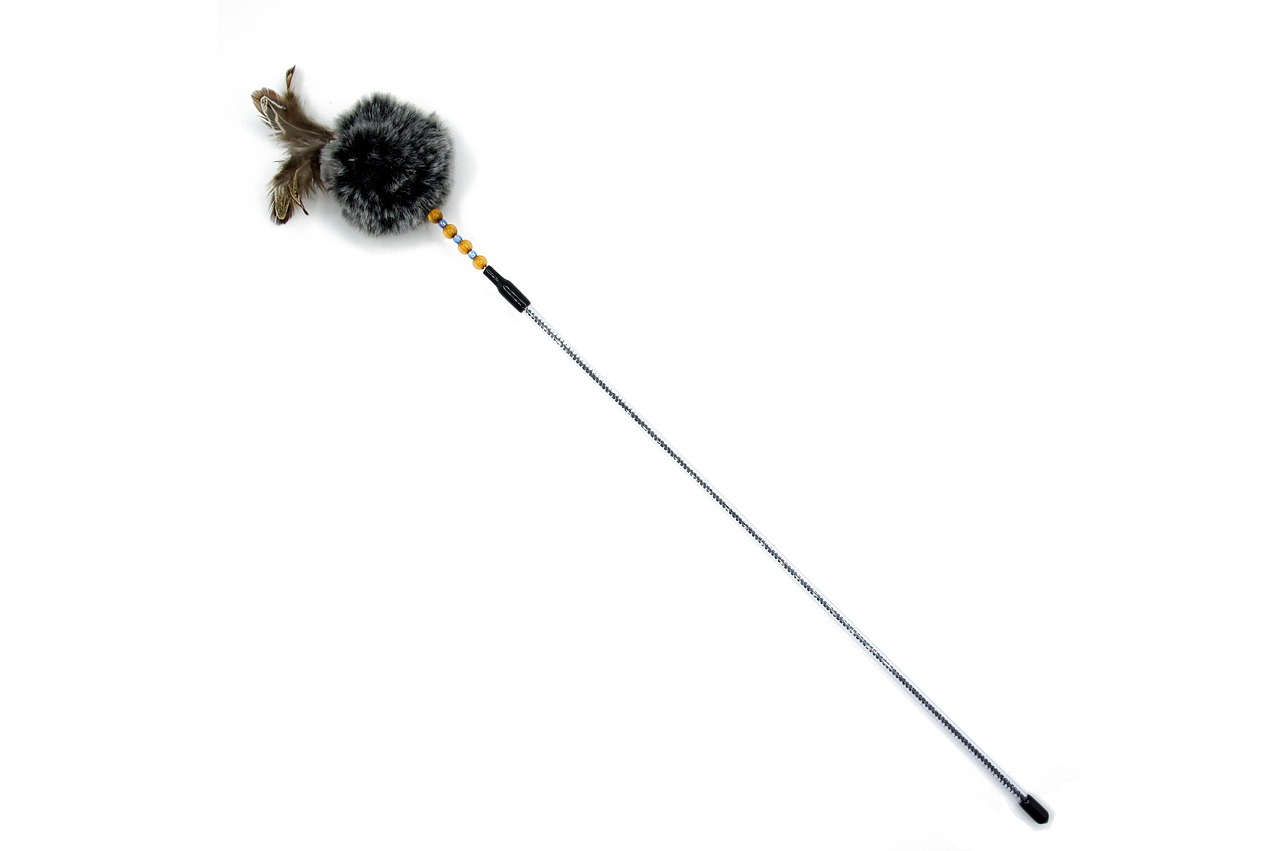
Another important consideration when selecting cat toys is the type and level of interaction they promote. Engagement plays a vital role in a pet’s happiness and health; therefore, understanding how different toys serve these needs will assist in your overall selection. Toys that require interaction, such as feather wands or laser pointers, not only provide physical exercise but also stimulate your cat’s mental faculties. Interactive toys can be especially beneficial for indoor cats, as they may lack the natural stimulation found outside. Furthermore, toys that mimic hunting behaviors can help satisfy a cat’s instinctual urges while keeping them entertained. While shopping, aim for toys that encourage activity and curiosity. Remember to rotate toys regularly to maintain your cat’s interest; boredom can lead to destructive behavior. Safety remains a priority; ensure all parts are secure and that the materials pose no risk. Be attentive to signs your cat enjoys particular toys, enabling a customized approach to your future purchases. This will ultimately help create a fulfilling play environment, enriching the time spent together in meaningful ways.
Popular Cat Toy Price Comparisons
Examining popular cat toys across various price ranges provides insights into what you can expect for your spending. For instance, in the budget category, simple felt balls and small plush mice are typical and provide immediate enjoyment. However, let’s compare mid-range toys such as electronic mice or automatic laser toys. On average, these toys range from $15 to $25 and often incorporate technology that enhances play. They can be more durable, enticing even the laziest of cats to chase. On the other hand, premium toys like interactive cat trees or elaborate puzzle toys can cost between $30 to $100. Though they’re a larger investment, they foster more activity and mental engagement. When seeking value, assess features like warranties or return policies, especially with pricier items. Some brands might offer guarantees to ensure satisfaction with your purchase. Ultimately, the right choice will depend on your cat’s personality as well as your budget constraints. Therefore, making thoughtful comparisons among various options can help set realistic expectations based on price.
In summary, cat toy pricing can sometimes feel overwhelming; however, understanding the landscape will aid you significantly. By recognizing the correlation between price, durability, and engagement, you can tailor your purchases more effectively. Remember that not all expensive toys guarantee satisfaction for every cat, as personal preferences and play styles are critical factors. Check reviews and consider the materials used, ensuring they align with safety standards and your cat’s specific tendencies. When in doubt, it’s advisable to involve your cat during the selection process. Observational learning can allow you to see which types of toys arouse curiosity and enthusiasm, leading to happier play sessions. Also, don’t hesitate to set aside a budget for cat toys as it may require flexibility based on your pet’s responses. Lastly, responsible pet ownership encompasses providing enjoyable, enriching play that balances physical activity with emotional satisfaction. By investing in the right toys that suit your cat’s needs while keeping an eye on the available price ranges, you will create a positive playtime experience that ultimately contributes to their overall well-being.