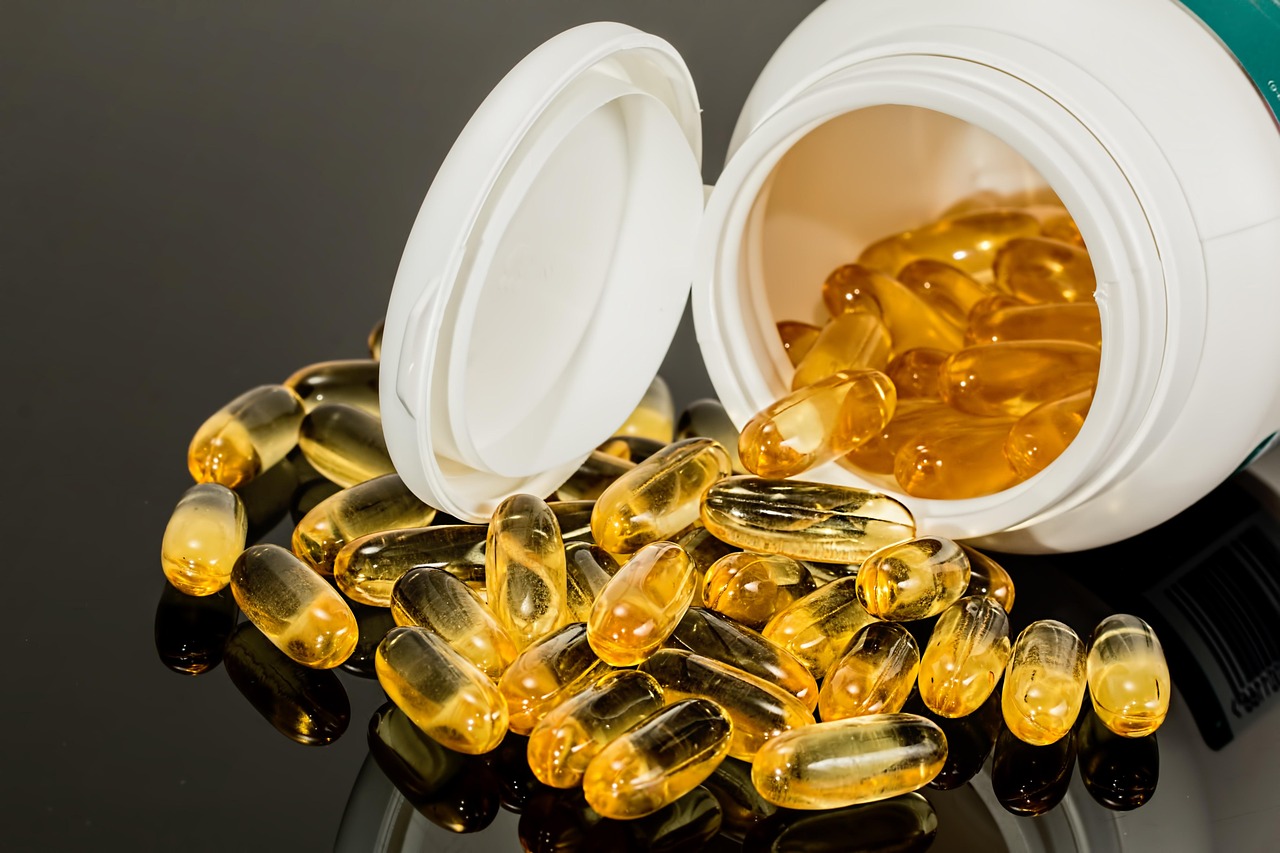

Omega-3 fatty acids are essential nutrients significantly benefiting dogs’ health. As pet owners, our goal is to ensure our furry companions lead healthy lives. One popular way to enhance their diet is through omega-3 supplements. These supplements contain EPA and DHA, vital compounds known to promote heart health, improve skin conditions, and support cognitive functions in dogs. Before incorporating these supplements into your dog’s diet, understanding the basics is crucial. Initiatives for pet nutrition are aimed at addressing specific needs and conditions. It’s necessary to consult with a veterinarian for proper guidance tailored to your dog. If you decide to use omega-3 capsules or liquids, consider which is best for your dog’s needs. Monitor your dog’s reactions to supplements, as individual responses can vary. Start with a low dosage, and see how well they adjust before increasing. Always source supplements from trusted brands adhering to safety standards, focusing on quality and efficacy. This knowledge about omega-3 fatty acid supplements can create positive changes in your dog’s diet.
To ensure safe dosing of omega-3 fatty acids, understanding appropriate dosages is essential. Generally, the recommended dosage of EPA and DHA for dogs is based on their weight. For every 10 pounds of body weight, a typical guideline suggests about 50 to 100 milligrams of combined EPA and DHA daily. However, these figures may vary depending on your dog’s specific health conditions or veterinary guidance. When providing your dog with omega-3 supplements, it’s important to monitor for adverse reactions. Adjusting the dosage based on their weight is crucial, especially if they are smaller or larger than the average dog size. This ensures they receive sufficient omega-3 levels without potential side effects. Additionally, always introduce any supplements gradually. Mixing the oil with their food can help prevent gastrointestinal upset while being more palatable. Consulting your veterinarian is necessary to tailor a plan that meets the unique requirements of your dog. By understanding the principles of dosing, you can incorporate omega-3 fatty acids safely into their diets.
Understanding the Safety of Omega-3 Fatty Acids
Supplement safety is paramount when considering omega-3 fatty acids for dogs. While these supplements offer numerous health benefits, ensuring their safe usage is essential. Some types of fish oils contain heavy metals or toxins, which could adversely affect your dog’s health. Always choose supplements that emphasize purity, and have third-party testing results available for consumer verification. Quality testing ensures that selected products have no significant levels of harmful substances. The packaging should provide clear information regarding the sources of omega-3 and the recommended dosages. Identifying potential allergens present in the formulation is essential to avoid allergic reactions, which could lead to health complications. You can find labeled ingredients indicating the fish source and the concentration of EPA and DHA, helping to make informed decisions. Monitoring your dog’s response to the supplements is equally essential. If any adverse symptoms occur, such as vomiting or diarrhea, discontinue and consult your veterinarian. Following these safety measures can help mitigate potential health risks while giving your dog beneficial omega-3 fatty acids.
When considering omega-3 fatty acid supplements for dogs, it’s vital to note the potential side effects. While many dogs tolerate these supplements well, individualized reactions can occur. Common side effects include gastrointestinal upset, such as diarrhea or vomiting. This is why it’s essential to start with low doses, gradually increasing as your dog adjusts. Monitoring your dog’s behavior and health during this adjustment period will provide vital insights into how they react to the supplements. Additionally, some dogs may exhibit allergic reactions to certain ingredients present in the supplements. Ingredients such as fish oil can pose risks for dogs with sensitivities to seafood. It’s essential for pet owners to complete a comprehensive dietary history review with their veterinarian to ensure safe administration. Less common but noteworthy, some dogs may experience bleeding tendencies from excessive omega-3s, particularly if they are on anticoagulant medications. Continuing to observe your dog’s overall health is key to leveraging the benefits of omega-3 fatty acids while withholding unwanted side effects. Consult your vet to address any concerns regarding these potential complications.
Alternative Sources of Omega-3 Fatty Acids
Aside from supplements, various natural food sources provide omega-3 fatty acids beneficial for dogs. Incorporating these sources into your dog’s diet can promote variety while ensuring adequate nutrient intake. Fatty fish such as salmon, sardines, and mackerel are excellent sources of EPA and DHA. These species can contribute to the omega-3 levels found in dog food or home-cooked meals. Another great option includes flaxseed oil, which, while plant-based, contains ALA (alpha-linolenic acid), a precursor to EPA and DHA. Although dogs convert ALA less efficiently, it still holds significant benefits for their overall health. Chia seeds and walnuts are also strong contenders, providing plant-based omega-3s through their rich nutrient composition. It’s worth considering dietary incorporation into your dog’s lifestyle but should be balanced with commercial dog food to ensure complete nutrition. Always consult with a veterinarian before changing diets or adding new food sources. Ensuring a natural and balanced mix can help you meet your dog’s omega-3 needs while promoting long-term health.
When selecting an appropriate omega-3 fatty acid supplement for your dog, emphasize quality above all. Due to the increasing demand for pet supplements, numerous options are available in the market. Prioritize products that feature whole fish oils recognized for their purity and sourcing. Labels and reviews can guide responsible purchasing decisions, highlighting products with third-party testing certifications. These marques indicate compliance with safety regulations, ensuring the products offer the benefits without contaminants. Opt for supplements that list the source of the omega-3s, which can influence their quality. Be aware of formulations fully or partially designed with fillers or artificial additives, as they can compromise overall health benefits. Furthermore, consulting with a veterinarian about recommended brands can provide valuable insight and help determine the right product tailored to your pet’s unique needs. Implementing omega-3 fatty acids into your dog’s routine means investing time in research, ensuring choices impact their well-being positively. Incorporating these supplements responsibly aligns with a proactive approach to managing your dog’s health.
Final Thoughts on Omega-3 Supplementation
In conclusion, the incorporation of omega-3 fatty acid supplements in dogs’ diets offers exciting health benefits when done safely. Understanding dosages clearly is vital to mitigate any potential risks associated with excessive supplementation. Each dog is unique, and working closely with a veterinarian can ensure that their approach meets individual requirements. By monitoring the dog’s response and adjusting doses as necessary, pet owners can find the right balance. Remember that quality supplements free from harmful additives should be a priority in your selection process. Additionally, consider supplementing natural food sources, which can also contribute positively to dietary omega-3 levels. Ultimately, a well-rounded approach embracing both supplements and high-quality nutrition can promote your dog’s overall well-being. As you embark on this journey to improve your dog’s health with omega-3 fatty acids, stay informed and proactive. Building this knowledge base will enhance your understanding and impact on your dog’s life for years to come, ensuring they thrive under your guidance and care.
All in all, prioritizing safety and education in omega-3 supplementation can lead to significant health enhancements for your dogs. Knowledge of potential side effects, ensuring quality sourcing, and proper dosages are cornerstones in maintaining your dog’s health. As many dog owners look to improve their pets’ diets, omega-3 fatty acids represent a promising area of interest. Remaining vigilant by consulting with veterinarians will strengthen your foundation for making sound nutritional decisions. Introduce omega-3 supplements carefully and patiently to realize their full benefits. This information empowers you to be an informed pet owner, which ultimately leads to happier, healthier lives for your furry friends.