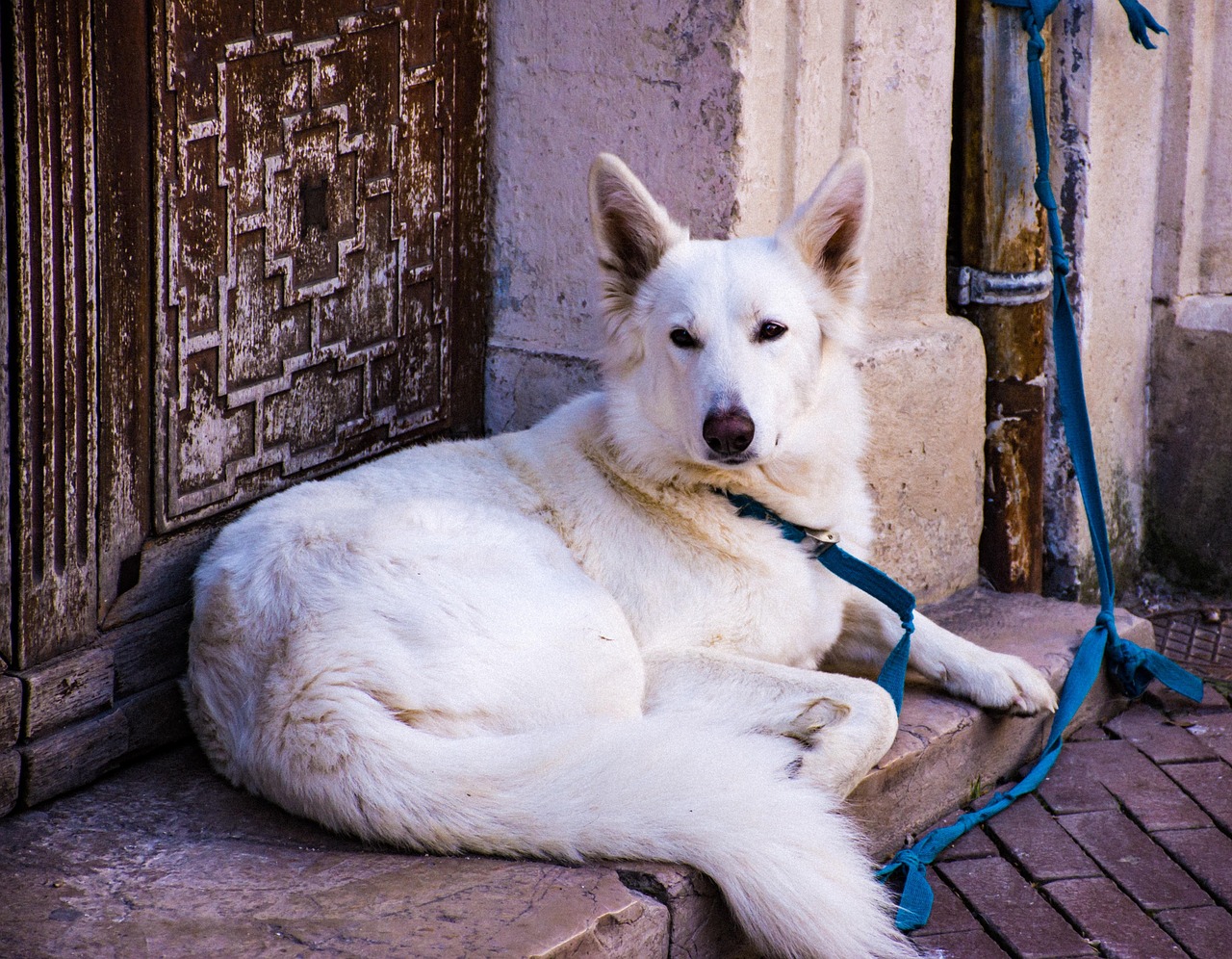

Understanding Nutritional Needs
Feeding large breed puppies requires an understanding of their specific nutritional needs. These puppies grow rapidly and require a balanced diet that supports their healthy development. Large breed puppies need a diet high in protein and low in fat to support proper growth and help prevent bone issues. Ideally, the diet should be tailored for large breeds, focusing on appropriate calcium and phosphorus levels. This balance helps ensure that the growing bones and joints are supported without risking developmental problems. Owners should consult with veterinarians for recommendations on high-quality puppy food brands specializing in large breeds. Gradually introducing new foods can help prevent digestive issues. Carefully monitoring their weight and growth is crucial during puppyhood. If puppies gain weight too quickly, adjustments to their diet may be necessary. Additionally, regular exercise is vital to support healthy bone growth and muscle development. Puppies should have playtime and walks. Sufficient hydration is also essential, as water supports overall health, digestion, and metabolism. By providing appropriate nutrition and hydration, owners can foster a healthy life for their large breed puppies.
As the seasons change, it is essential to adjust feeding routines for large breed puppies. During warmer months, dogs may require more water intake due to heat. However, receptors in their digestive systems can signal decreased appetite in some cases. Switching to lighter, easily digestible food during summer months can help maintain their energy levels and keep them hydrated. In contrast, cold weather could increase their hunger, as larger breeds burn more calories to maintain their body temperatures. Therefore, feeding them a little extra during the winter can keep their energy levels stable. It’s also vital to consider the effect of exercise on their caloric needs. As puppies grow older, their activity levels change seasonally, which can affect their nutritional requirements. Knowing your puppy’s energy expenditure during different seasons will help owners maintain optimal health. Consulting with your veterinarian about seasonal dietary changes is advisable, especially if you notice changes in your pup’s appetite. In the next section, we will discuss specific dietary adjustments and tips for feeding large breed puppies year-round effectively.
Specific Dietary Adjustments
When adjusting diets for large breed puppies, consider factors such as age, weight, and activity level. Puppies still developing require specific kibble that caters to their breed group. Switching meals from a standard puppy formula to a large-breed formula can help mitigate risks of overgrowth and joint issues. Additionally, frequent small meals can stabilize their energy levels and reduce the risk of digestive problems. Some puppy owners find that increasing the fiber content during warmer months helps maintain optimal health while keeping them feeling full. On the contrary, puppies may need increased protein levels in winter to support muscle growth and energy levels. Always ensure food portions are calculated correctly to avoid obesity. If your puppy is not as active, reduce their food intake to prevent weight gain. Regular weigh-ins and adjusting servings are essential practices for a responsible pet owner. Additionally, various supplements can promote healthy development in large breed puppies. Foods containing omega-3 fatty acids can support joint health, while glucosamine can help maintain cartilage structure and joint function. Understanding these adjustments will lead to healthier puppies.
Owners often ask about safe treats for large breed puppies. Treats can be a vital part of training and bonding. However, it’s crucial to choose treats that are suitable for their size and caloric needs. Large breed puppies may enjoy larger chews, but avoiding excessive fat or harmful additives is vital. Look for natural whole food-based treats. Treats should not substitute for meals but rather complement them. Providing a small treat or piece of vegetable can work as a reward during training sessions while still maintaining their dietary regimen. Remember, moderation is key; dogs can easily gain weight with too many treats, leading to health problems. Owners can also explore homemade treat options; this allows full control over ingredients. Fresh fruits and vegetables can be wonderful, low-calorie alternatives, such as carrots or apple slices. Ensure that all potential human food treats are safe; some foods like grapes or chocolate are toxic to dogs. Lastly, be mindful of allergies as large breed puppies may develop sensitivities over time. Keeping track of their reactions to various treats can improve long-term health outcomes.
Hydration and Seasonal Effects
Hydration is a crucial aspect of feeding large breed puppies, especially with seasonal changes. During summer, dogs may dehydrate faster due to excessive heat and activity levels. Hence, providing fresh water is essential at all times. Homemade dog-friendly ice treats can be a joy for puppies and additionally hydrate them. Adequate hydration also assists with digestion and nutrient absorption. In cooler months, while puppies may drink less water, maintaining proper hydration levels remains essential for overall health. Puppy owners should closely monitor their pup’s water intake and encourage drinking regularly. Sometimes, having multiple water bowls placed around the house can help ensure consistent hydration. Be observant for any changes in drinking habits, as it can indicate health issues such as dehydration or illnesses. In addition to physical hydration, offering food with higher moisture content can help. As the seasons change, adjust the food given to incorporate various hydration aspects. While water is key, pet-safe broth can entice puppies to drink more. Understanding these aspects can enhance the care and health of large breed puppies.
Monitoring your puppy’s health through regular veterinary check-ups is essential. Regular assessments allow you to ensure that your puppy is growing appropriately and following their expected developmental milestones. During these visits, veterinarians can provide personalized advice on dietary needs and adjustments throughout seasonal changes. Keep a record of puppy weight and physical activity levels. Understanding the relationship between diet, health, and seasonal changes will aid responsible pet ownership. Raise any concerns regarding your puppy’s appetite, weight gain, or skin conditions with your veterinarian. Your vet can recommend specific dietary plans that suit your large breed puppy. Any underlying health issues can affect dietary needs as puppies grow. Other important factors to note include the importance of socialization and physical activity. Seasonal weather also can influence these aspects, as winter may limit outdoor playtime. Thus, finding safe indoor exercise options and monitoring the puppy’s behavior is vital. Investing in proper nutrition and care early on helps promote lasting health benefits as they mature. Owners should always be committed to ensuring their puppy’s well-being to foster a long, healthy, and happy life.
Conclusion
Adjusting the nutrition of large breed puppies seasonally is paramount for their development and growth. Each season presents unique challenges and opportunities. With proper planning, owners can ensure their furry friends receive the nutrients needed for healthy growth. Understanding the essentials of puppy nutrition enables owners to provide balanced meals tailored for their pets. Incorporating seasonal considerations ensures ongoing wellness through different environmental changes. Remaining conscious of their hydration, diet, and physical activity can foster happier, healthier puppies. Moreover, consulting veterinarians enhances your ability to adapt to seasonal needs effectively. The right diet, careful monitoring, and understanding your puppy’s unique needs during each lifecycle phase will reap benefits. As owners incorporate these practices, they create a nurturing environment and set a solid foundation for lifelong health. Feeding large breed puppies doesn’t need to be complex but requires diligence. Implementing healthy eating habits and consistent vet visits is crucial to raising a well-adjusted large breed dog. Embrace the journey of pet ownership, and provide love and care through every seasonal shift.
Feeding large breed puppies effectively requires adapting your approach with seasonal changes. Understanding their nutritional needs, incorporating seasonal factors, and monitoring overall health can create a tailored feeding plan that supports their development through puppyhood.