
Showcasing Your Unique Style in Dog Photography Portfolios
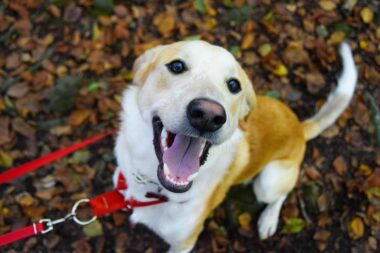
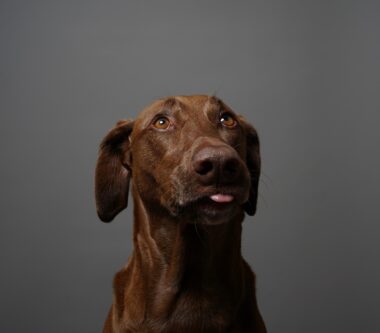
Building a captivating dog photography portfolio is crucial for any photographer looking to establish their unique style. A well-curated portfolio allows you to showcase your artistic vision and professionalism while attracting potential clients. Start by selecting your best work, ensuring that images reflect your personal style and creativity. Consider including a variety of photographs that show the personality and character of different dog breeds. Each photograph should resonate with your storytelling ability, drawing attention to the emotions and relationships between dogs and their humans. Moreover, focus on high-quality images that demonstrate technical skill, composition, and lighting. A portfolio with diverse work not only showcases your versatility but also highlights your strengths. Utilize different environments and settings to capture a range of moods and themes. As you build your portfolio, remember that less can be more; choose only your best images that truly represent you as a photographer. Organize these photographs cohesively to create a beautiful flow that guides viewers through your collection. Let your passion for dog photography shine through, making each image meaningful and memorable.
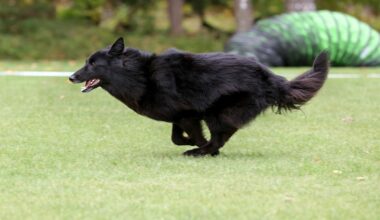
In addition to visual appeal, consider the narrative your images convey about dog photography. Each photograph should tell a story, portraying the bond between dogs and their owners. Engage potential clients by demonstrating how your photography reflects their lifestyle and love for their pets. Carefully selecting images that showcase different moods, such as playfulness or tranquility, will provide a dynamic feel to your portfolio. Additionally, think about incorporating a variety of settings, from lush green parks to urban landscapes that complement your subjects. By doing so, you’ll create a compelling backdrop that enhances the overall appeal of each photograph. Moreover, including candid moments that capture spontaneity and joy will resonate with viewers, creating an emotional connection. Showcase your ability to work in diverse environments and lighting situations, revealing a depth of experience in dog photography. Always pay attention to detail; ensuring that the background complements rather than distracts from your subject can elevate your work significantly. Don’t forget to customize your portfolio’s layout; a tidy presentation helps emphasize your skill while maintaining viewer engagement throughout their exploration.
Creating a Strong Online Presence is essential if you want to reach a wider audience. Utilize social media platforms to share your dog photography, connecting with dog lovers and photographers alike. Build an engaging Instagram or Facebook account focused solely on your photography work; these platforms are incredibly visual and perfect for showcasing your portfolio. Share behind-the-scenes content, tips, or stories about your shoots to engage followers and create a community. Additionally, create a well-designed website featuring your portfolio, incorporating an informative blog to enhance your online visibility through SEO. Write blog posts related to dog care, photography tips, or memorable shoots, effectively combining your passion for dogs and photography. Ensure that your website is user-friendly, allowing potential clients to easily navigate through your portfolio. Use high-quality images and a consistent theme to align with your personal brand. People are more likely to book a session after witnessing your professional online presence. Network with local dog owners and pet businesses to establish connections that can lead to collaborations, referrals, and strong representation in the community. Your online presence is key to attracting new clients.
Including Client Testimonials in your portfolio can significantly enhance its credibility and appeal. Positive reviews from satisfied clients create trust and give potential customers confidence in your skills as a dog photographer. Ask clients for feedback, and use their testimonials to highlight your professionalism, creativity, and ability to capture genuine moments. Display these testimonials prominently on your website, ideally alongside images from the respective shoots, providing context and visual examples of your work. Additionally, consider incorporating client stories narrating their experiences with you during the photoshoot. These narratives can help dog owners relate to your work and create a deeper emotional connection. Sharing before-and-after shots can also illustrate how your photography can transform clients’ ideas into tangible results. Don’t hesitate to feature diverse testimonials from various client demographics, showcasing your ability to connect with different types of dog lovers. Remember that authenticity is key—real endorsements are far more impactful than exaggerated ones. Cultivating lasting relationships with your clients will encourage word-of-mouth referrals, enhancing your reputation as a skilled dog photographer in the community, contributing to an undeniable portfolio.
Investing in Professional Development
Continuous improvement is crucial in photography, which applies significantly to dog photography as well. Investing in professional development opportunities can refine your skills and expand your knowledge of the craft. Attend workshops, online courses, or tutorials led by experienced photographers specializing in pet photography. These learning experiences can provide insights on various technical aspects such as lighting, composition, and editing techniques specific to dog photography. Developing a solid understanding of canine behavior can also improve your photography skills, allowing you to anticipate and capture natural moments effectively. Learning about different breeds’ traits can prepare you for any shoot, enhancing your ability to connect with your subjects. Additionally, collaborating with fellow photographers can foster creativity and inspire new techniques and ideas for your portfolio. Consider joining local photography clubs or online communities where you can share experiences, receive constructive feedback, and support fellow dog photographers. Embrace the feedback you receive, using it to grow and challenge yourself to reach new heights in your work. Staying updated on the latest trends and technologies can set you apart in a competitive industry, ensuring your portfolio remains relevant and appealing.
Another important aspect of your portfolio is showcasing your Editing Techniques. Post-processing plays a crucial role in enhancing your photographs, ensuring they adhere to your desired aesthetic. Experiment with different editing styles, from vibrant colors to muted tones, reflecting your photographic voice effectively. A consistent editing style across your portfolio creates harmony, allowing viewers to easily recognize your work. Develop a signature look that represents your approach to dog photography—consistent colors and styles help in branding as well. Always remember that less is often more when editing; over-processing can lead to unnatural appearances that distract from your subject. Maintain a balance between enhancing the image and preserving its authenticity, especially when working with living subjects. This is particularly important in dog photography, where candid moments are often the most cherished. You might also consider creating before-and-after edits to illustrate the impact of your editing choices. Sharing this process with your audience through social media can build trust and transparency. Demonstrating your editing capabilities effectively rounds out your portfolio, appealing to potential clients seeking someone whose artistic vision aligns with their expectations.
Lastly, consider the importance of a Personal Touch in presenting your dog photography portfolio. Including an ‘About’ section on your website fosters a deeper connection with potential clients. Share your journey as a photographer, emphasizing why dog photography is your passion and what drives your creative process. Personal anecdotes can bridge the gap between you and your viewers, making your brand relatable. Viewers often choose photographers they connect with on a personal level, so authentic storytelling is key. Incorporating images of yourself in action, especially with dogs, adds an element of familiarity and warmth that can resonate with dog lovers. Share your experiences with pets, highlighting your understanding of their nature and your commitment to capturing their essence. Additionally, consider including a FAQ section addressing common inquiries regarding your services and photography approach. This not only positions you as a knowledgeable authority in dog photography but also provides value to potential clients. By humanizing your portfolio, you’re more likely to attract clients who share your enthusiasm for animals, leading to meaningful connections and new opportunities.
Overall, creating a stunning dog photography portfolio is a blend of artistry, technical skill, and personal connection. Strive to showcase your unique vision while adhering to professional standards. Remember to prioritize the images that reflect diversity in style, ambiance, and emotion. Engage and connect with your audience through an inviting online presence filled with testimonials and personal stories that offer insight into your photography journey. Investing in continuous improvement will help you refine your craft, ensuring you stay ahead of the curve. Experiment with your editing techniques while maintaining authenticity for a cohesive portfolio presentation. A personal touch with relatable anecdotes and experiences enhances the emotional appeal of your portfolio. Ultimately, your portfolio should not just sell your services but also tell a compelling story about your passion for dogs and photography. When executed skillfully, it will create a lasting impression on clients and open the doors to exciting opportunities in the dog photography niche. Keep learning, evolving, and showcasing your love of dogs through your dynamic portfolio for success in this fulfilling field of photography.