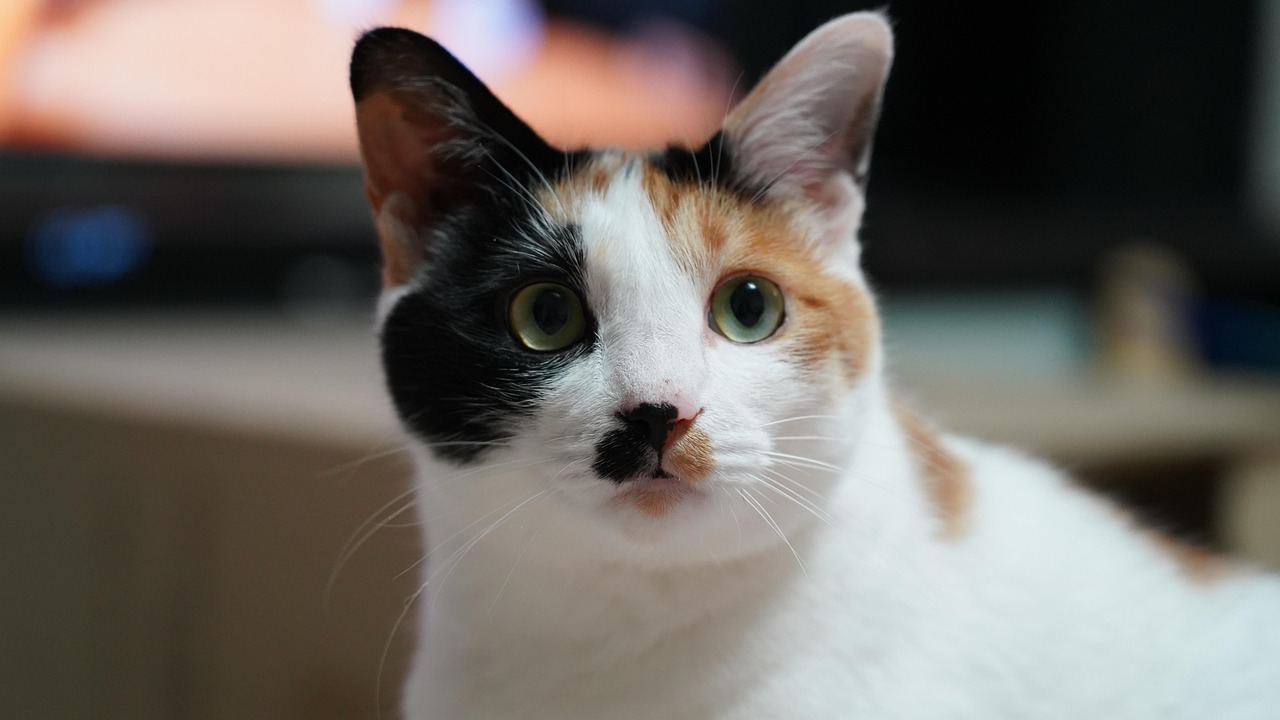

Top Signs of Skin Infection in Cats
Detecting skin issues in our feline friends is crucial for their overall health. During grooming, cat owners can observe various signs that may indicate an infection. If you notice any unusual behavior or appearance, it’s important to consult a veterinarian. Common signs include redness or swelling of the skin, which can suggest inflammation or irritation. Additionally, excessive scratching or biting at a specific area might indicate discomfort. Pay attention to areas where your cat licks frequently, as this may lead to hair loss or a change in skin texture. Be vigilant for any unusual odor, as infections often produce a foul smell. An accumulation of debris or scabs in the fur can point towards various skin issues. Look for crusty patches or flaky skin, indicative of possible allergies or infections. Another alarming sign is the appearance of warm areas on their skin, which could signal underlying inflammation. Always keep an eye on your cat’s coat condition to ensure it remains healthy and shiny. Regular grooming can also help in early detection of these signs, making it easier to address issues quickly and effectively.
One significant aspect to consider is the changes in your cat’s behavior. If your cat appears more irritable or withdrawn than usual, this may signify discomfort related to a skin infection. Curiosity is key; observe any new habits such as hiding more often or becoming aggressive when touched. It is also essential to examine their grooming habits closely. Cats typically groom themselves frequently, but sudden changes can indicate issues. Sometimes, excessive grooming leads to secondary infections. You might find patches of missing fur that should be monitored closely. Additionally, warm spots on the skin can indicate localized infections, requiring immediate attention. Take note of any drainage from the skin, as this can signify pus from an abscess or other bacterial infections. Consult with your veterinarian if you are unsure of the severity of the symptoms. They’ll be able to assess the infection accurately and prescribe the right treatment. Identify potential irritants in their environment and eliminate them whenever possible. Regular grooming reduces the chances of hidden skin problems by fostering awareness of your cat’s skin condition.
Identifying Symptoms During Grooming
The act of grooming is not just about maintaining the appearance of your cat; it is also a vital opportunity to assess their skin health. During grooming sessions, take the time to inspect your cat’s body thoroughly. Look for any lesions, bumps, or unusual growths that could indicate infection. Moreover, it’s beneficial to feel for warm areas or unusual lumps under the fur. Such findings could be precursors to serious skin infections or abscesses. Monitor any changes in the color of the skin as well. Healthy skin typically has a uniform color, while discolored patches may raise alarm. Don’t forget to pay attention to your cat’s ears and between their toes, as these often-overlooked areas can harbor infections too. Regularly checking these regions ensures prompt attention when needed. Although grooming may seem routine, incorporating a health check can immensely benefit your feline friend. If any discolorations or concerns are found, it’s best to consult a veterinarian immediately. By staying observant, you can help keep your cat’s skin in optimal condition.
Moreover, it’s essential to recognize that skin conditions can emerge from a variety of sources. Allergies, parasites, or even poor diet are common culprits. Bugs like fleas can lead to dermatitis and cause excessive scratching or biting, creating an environment where infections flourish. Instead of waiting for obvious signs, prevent them. Discuss preventive treatments with your vet. Keep track of grooming health records, noting any incidents that occur. If you notice a pattern of recurring skin issues, daily note-taking will provide valuable information to your veterinarian. Changing seasons can also cause skin problems; therefore, be aware of any environmental changes your cat encounters. Shifts in humidity or temperature can aggravate existing sensitivities. Consider allergies to grooming products or new foods as well. Whenever introducing products, monitor for reactions. If unsure, gradual introductions may minimize adverse effects on your cat. By understanding these potential issues, you’ll be better equipped to keep your cat safe from skin infections and maintain its overall well-being.
Consulting Your Veterinarian
When in doubt about a potential infection, always consult a veterinarian without hesitation. Early intervention can avert serious complications, ensuring your cat receives the care it needs promptly. During visits, be prepared to discuss your cat’s grooming habits, diet, and any changes you’ve noticed. These details help your vet make informed decisions regarding tests or treatments. Skin infections may require topical or systemic treatments depending on severity. Your veterinarian might suggest allergy testing if they suspect an allergic reaction is causing skin issues. Additionally, keep up with regular vaccinations, as they contribute to your cat’s overall health status. Maintaining open communication with your veterinary team helps detect systemic issues that influence skin health. Follow all aftercare guidelines to ensure a full recovery if treatment is necessary. Keep ongoing tabs on your cat’s skin after treatment to prevent relapses. A supportive home environment plays a critical role in healing. Ensure your cat is comfortable and reduce stress levels to foster quicker recovery. By ensuring your cat’s health remains a top priority, you can help avoid future skin issues.
Finally, remember to establish a routine grooming regimen that incorporates health checks. Create a calm environment for your cat to minimize stress, which can inadvertently affect skin conditions. Regular brushing removes dead hair and potential allergens, keeping the coat clean and healthy. Develop a system to monitor your cat’s weight, appetite, and energy levels as these can influence skin radiance. A well-balanced diet loaded with nutrients promotes healthy skin and fur. If you suspect a lack of essential fatty acids, consult your veterinarian about dietary adjustments. Staying proactive while remaining observant will help mitigate problems before they escalate. Use offers of treats or toys during grooming as positive reinforcement so your cat associates grooming with enjoyment. Additionally, intermittent rewards can boost compliance in resistant cats. Don’t forget to educate other household members about signs of skin issues. With everyone on board, you can better care for your feline family member. Ultimately, being informed is your best weapon against skin infections, leading to a healthy and happy cat.
To summarize, paying attention to your cat’s skin health is vital. Identifying the signs of skin infections early can have significant positive outcomes for their overall well-being. When grooming, remain alert for symptoms such as itchiness, redness, or unusual odors that may indicate infection. If infections do arise, remember that prompt veterinary care and appropriate treatments are crucial. Be vigilant during regular grooming sessions to catch potential problems with your cat’s skin at the earliest stage possible. Always consider professional guidance when unsure, as seeking assistance can lead to timely diagnosis and treatment. Integrating grooming as a holistic approach promotes awareness about your cat’s health. Routine grooming combined with dietary care and regular vet visits contributes to skin health. Lead a proactive approach to help prevent skin issues from developing or worsening. The bond formed during grooming sessions will strengthen your relationship with your pet. Prioritize your cat’s health by actively engaging in its grooming rituals. This approach not only keeps skin infections at bay but fosters an environment where your furry companion thrives.
Through dedicated attention and loving care, we can all contribute positively to our feline companions’ quality of life. Understanding the signs of skin infections in cats is essential for every cat owner. By fostering awareness and encouraging regular grooming practices, we can ensure that our pets remain healthy and happy. Remember, attention to detail during grooming can prevent ailments from escalating. The signs mentioned are only a starting point; a deep commitment to their health follows. You’ll find joy in witnessing the benefits of thoughtful grooming rituals. Observing changes, asking questions, and understanding their health through grooming can act as preventive measures against future skin issues. Keep building your knowledge, as education empowers you to become an advocate for your cat’s overall well-being. By recognizing signs early and addressing them promptly, you’ll help ensure a long, thriving life for your furry friend. Take every precautionous measure, as your cat depends on you to keep them safe and healthy. It’s our collective responsibility as their caregivers to nurture their health, ensuring they live life to the fullest, enjoying adventures by our side.