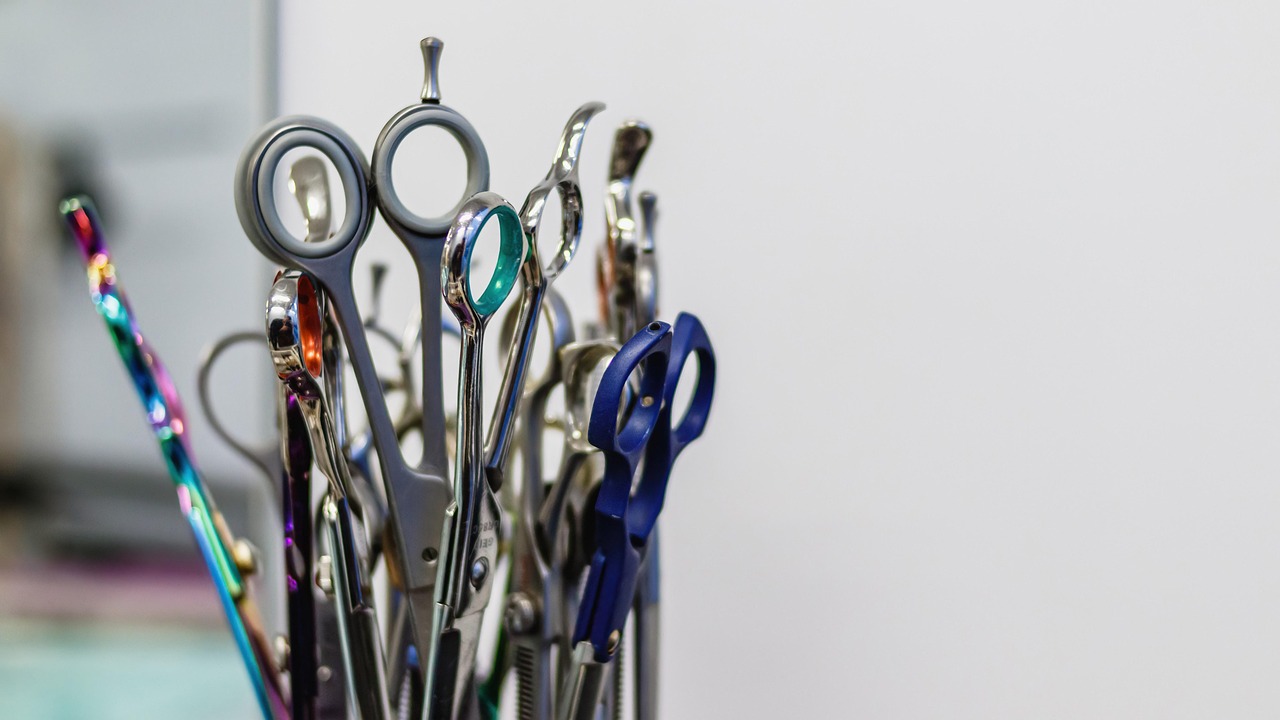

Comparison of Grooming Tools: Which Works Best for Your Dog’s Coat
When it comes to managing matting and tangles, selecting the right grooming tool is essential for maintaining your dog’s coat health. Different breeds often require specific tools tailored to their fur type. For example, short-haired breeds generally need different grooming tools than long-haired ones. It’s vital to understand the unique grooming requirements that come with each dog’s coat to choose the appropriate tool effectively. With a plethora of grooming tools on the market, identifying which is the best fit for your dog can feel overwhelming. The most common grooming tools include slicker brushes, de-shedding tools, combs, and specific detangling sprays. Each serves a unique purpose in managing tangles, knots, and fur shedding, thereby keeping your dog’s coat healthy and clean. Moreover, using the wrong tool can lead to inadvertent discomfort for your pet, which can cause anxiety during grooming sessions. Therefore, familiarizing yourself with the range of grooming supplies available is an important first step in minimizing tangles and ensuring your dog enjoys a pleasant grooming experience.
Tools such as slicker brushes are incredibly helpful for detangling mats in both long-haired and curly-coated dogs. The bristles of these brushes are designed to penetrate deeply into the coat, effectively helping to smooth out any knots without pulling painfully on your dog’s skin. Using a slicker brush involves gentle, short strokes, and many owners find these brushes invaluable for their grooming toolkit. However, they can sometimes be too harsh for dogs with sensitive skin, which may require softer alternatives like a pin brush. For those facing extensive mats, a de-shedding tool is also crucial, as it can remove dead debris and loose hair from the undercoat. Many of these tools are equipped with specially designed blades that make the process easier and less stressful for both you and your furry friend. Do note that proper technique combined with the correct tool significantly impacts the grooming outcome. This is why it is beneficial to explore and utilize the different types of tools available, ensuring your dog feels comfortable and secure while you groom.
Understanding Dog Coat Types and Grooming Needs
Understanding your dog’s specific coat type greatly informs how to approach grooming effectively. There are several distinct types of dog coats, such as double coats, single coats, curly coats, and wiry coats, each posing unique challenges when it comes to tackling matting and tangles. Double-coated dogs, for example, tend to shed heavily and require regular de-shedding tools to manage loose hairs and prevent mats from forming. Conversely, single-coated dogs, like the Dachshund or the Basenji, might benefit from a basic grooming brush to maintain the smoothness of their coat. Curly-coated breeds like Poodles need to be groomed frequently to avoid severe tangling that can be painful if left unattended. This grooming could entail using a combination of brushes and combs, ensuring no mats are missed. A good practice for pet owners is to familiarize themselves with breed-specific requirements. Doing so empowers you to make informed decisions on which grooming tools will best suit your dog’s coat type and condition, keeping their fur looking its absolute best.
In addition to the type of coat, how often your dog is groomed plays a vital role in preventing matting and tangling. Most experts recommend regular grooming sessions, especially for breeds that are known for their long or curly hair. For example, a Labrador Retriever may require grooming at least once every two weeks, while a Maltese should be groomed weekly to keep tangles at bay. Grooming frequency is not only about aesthetics but also about the health of your dog’s skin. Regular grooming helps distribute natural oils across the coat, thus enhancing its shine and softness. Tools such as grooming gloves can also be useful, especially during shedding season, as they capture hair effectively while providing a soothing massage for your dog. It helps create a bond between you and your pet, making them more receptive to future grooming. Keep in mind that depending on the individual dog’s temperament and level of comfort, grooming can vary in duration. Tailoring your grooming routine creates a positive experience for both pet and owner.
Choosing the Right Grooming Technique
Technique is equally important as the grooming tools used when managing your dog’s coat. Proper brushing techniques can prevent tangling, reduce unnecessary pain, and enhance the overall grooming experience. When dealing with mats or tangles, it’s recommended to work them out gradually, starting from the ends of the hair and working your way up towards the skin. Always keep an eye on your dog’s reactions during grooming to determine if the pressure applied is too much. If your dog appears anxious, taking breaks or using a calming treat can help ease their stress. Many grooming experts suggest grooming sessions during relaxed times of the day, as this can also make the process smoother. Regularly monitoring your dog’s coat condition will help you set up an efficient grooming schedule while allowing for flexibility when unexpected mats develop. Additionally, invest in quality grooming tools designed specifically to reduce discomfort. Ultimately, slow and gentle grooming can turn the activity into a bonding experience, providing comfort to both you and your dog while nurturing trust.
Some pet owners may find it beneficial to use professional grooming services at certain intervals, especially if they struggle with extensive matting. Professionals are trained to handle difficult tangles using specialized techniques and equipment. Additionally, they can provide valuable insights on the right grooming tools for your dog’s coat type and condition. However, even after professional grooming, maintaining regular grooming sessions at home is advisable. It ensures that your pet’s coat remains clean and healthy, freeing you from more intense grooming sessions down the line. Along with the myriad of brushes and tools available, you may also consider using detangling sprays or conditioners. These products aid in loosening mats and tangles, making the combing process easier and more pleasant for your dog. Ensure any products used are appropriate for your dog’s specific coat type. With proper technique, the right tools, and occasional professional help, matting and tangles can be managed effectively, promoting a healthy, beautiful coat for your furry friend.
Final Tips for Smooth Grooming Sessions
It is essential to maintain the grooming tools well to ensure they work effectively over time. Dull blades on grooming tools can pull at the hair rather than cut it smoothly, which can cause discomfort for your dog. For brushes and combs, regular cleaning is crucial to remove hair and debris, thus preventing any jagged edges from forming on tool bristles. Additionally, rotating grooming tools can yield better results, as it allows you to utilize the most suitable tool for each grooming situation, ensuring all mats and tangles are addressed. Investing in high-quality, specialized tools is worth it, as they usually offer better performance and comfort for your dog. Moreover, grooming time can be transformed into a bonding activity by incorporating treats and praise. This process elevates the grooming experience, paving the way for a more relaxed and engaged dog during future sessions. Remember that each dog is unique, and understanding their specific needs will lead to more enjoyable and effective grooming.
Dog grooming isn’t just about appearance; it’s fundamentally linked to your pet’s health and well-being. A well-groomed dog is much less likely to face skin irritations caused by mats or tangles. Neglected coats can result in painful skin issues resulting in further complications for your furry friend. Regular grooming sessions can keep your dog’s coat sleek, tidy, and comfortable regardless of their breed or coat type. Observing any changes in your dog’s skin health is vital, as early detection of problems can lead to quicker solutions. Furthermore, consistent grooming sessions can also act as routine check-ups, allowing you to notice abnormalities such as lumps or skin infections. The bonding that occurs during grooming also enhances mutual trust between you and your pet, ultimately contributing to a healthier and happier life together. Through regularly employing the right grooming tools and techniques, pet owners can significantly improve how their dog’s coat looks and feels. This holistic approach to dog grooming will not only maintain the hygiene of your pet’s coat but will also lead to a more enjoyable grooming experience for both of you.