
Establishing Hierarchical Order to Maintain Peace Among Pets
Understanding the social dynamics among pets living together can significantly reduce aggression issues. Particularly in households with multiple cats, it’s crucial to establish a clear hierarchy. Cats are territorial creatures and when boundaries are not defined, conflicts will likely arise. Owners can facilitate their pets in understanding their roles through various techniques. For instance, creating individual spaces for each pet helps minimize territory disputes. Such designated areas may include separate sleeping quarters, feeding stations, and litter boxes. In addition, supervise interactions carefully, allowing positive experiences to reinforce good behavior. Gradually introduce pets to one another, allowing them to explore parallel spaces and scents before a full meet. Always remember that patience is essential during this process, as it can take time for pets to adjust to new dynamics and relationships. Maintain a calm environment as stress can aggravate aggressive behaviors. Understanding these aspects can help owners promote a harmonious atmosphere. Observe each pet’s body language during interactions to catch potential issues early. A proactive approach ensures that a peaceful coexistence can flourish, benefiting both pets and their owners.
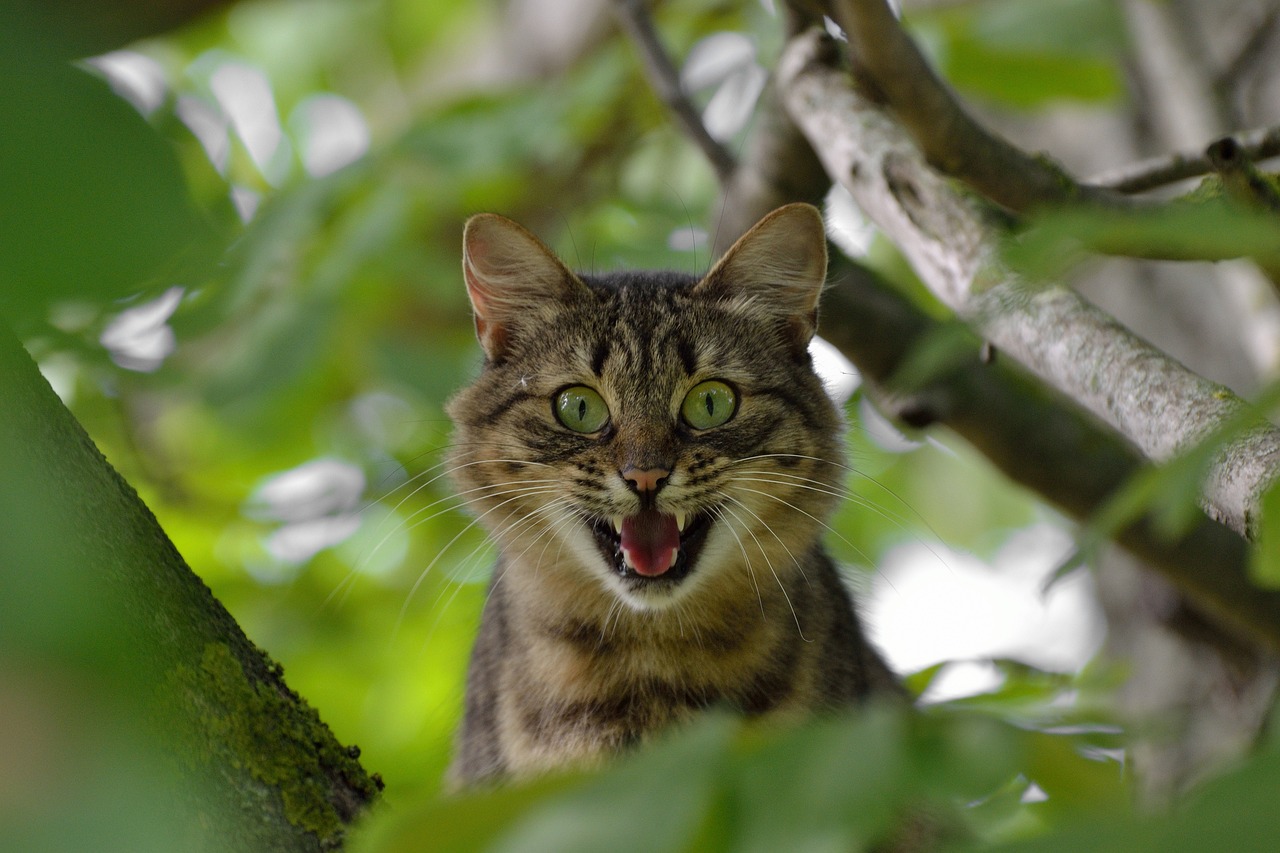
Recognizing aggressive behaviors is critical in a multi-pet household. Aggression can manifest in various forms, such as hissing, swatting, or growling, and can occur due to jealousy or competition over resources. It’s essential to determine the root cause of aggression, which often stems from fear or insecurity. Identifying these triggers can help owners devise appropriate strategies to minimize aggressive outbursts. Training sessions focusing on positive reinforcement can encourage desirable behavior. Rewarding cats for calm interactions fosters a positive environment. Furthermore, providing vertical spaces like cat trees can meet their natural climbing instincts, giving them areas to retreat to when stressed. Owners should monitor play sessions, ensuring that they remain friendly and do not escalate into aggression. If a scuffle does occur, separating the cats temporarily can prevent further escalation. Always avoid punishment, as this could exacerbate fear-based behaviors. Instead, create a peaceful setting filled with enrichment, such as engaging toys. This approach aids in maintaining a low-stress environment. Positive engagement can greatly reduce the risk of future conflicts, contributing to a healthier household dynamic.
Building a Safe Environment
When establishing a hierarchical order among pets, creating a safe environment is paramount. Safety includes shelter, food, and emotional security for every pet involved. Utilize barriers, such as baby gates or closed doors, to create safe zones where pets can retreat if they feel threatened. Additionally, approach introductions through scent swapping before any face-to-face interactions. Let pets become familiar with each other’s scents by exchanging bedding or toys. Providing perches or escape routes ensures that every pet has access to safe spaces away from confrontations. The strategic placement of resources is vital; resources include food dishes, water bowls, and litter boxes that are not placed too closely together. This helps reduce competition and subsequent hostility. Regular routines can also aid in diminishing stress among pets, establishing predictability in their daily lives. Consistency helps pets feel secure and reduces anxiety, leading to a calmer environment. Ensure all pets are spayed or neutered, as this can greatly decrease territorial behaviors. A careful approach in designing a living space fosters peace, making cohabitation more enjoyable for every pet in the household.
Behavioral training plays a crucial role in establishing harmony among pets. Understanding basic cat behavior is essential for effectively addressing aggression issues. Encouraging each pet to adhere to a consistent routine helps reinforce a sense of security and structure. Enrichment activities are vital for keeping pets mentally stimulated, which can reduce boredom-related aggression. Interactive toys, puzzle feeders, and climbing structures can channel their energy appropriately. Regular playtime not only engages pets but also strengthens the bond between them and their owners. Fostering positive interactions during play sessions allows pets to associate good experiences with each other. In scent marking and grooming behavior, cats display affection and comfort; facilitate these by balancing attention given to each pet. Furthermore, consider involving a professional trainer or behaviorist if aggression persists, as they can distribute personalized training plans. Patience and persistence are fundamental elements in the process of training pets to live harmoniously. Resultantly, a collaborative approach involving regular monitoring, caregiving, and adaptation to individual needs can smooth out behavior conflicts, allowing all household members to thrive together peacefully.
Recognizing and Rewarding Positive Interactions
Positive reinforcement is a powerful tool in managing aggression among pets. Emphasizing good behaviors instead of merely correcting bad actions is crucial. When pets exhibit calm interactions, rewarding them with treats or praise reinforces the idea that these behaviors are desirable. Utilize clicker training as an effective way to communicate positive feedback. Each time a pet behaves well around other pets, use the clicker alongside a corresponding treat. This creates a clear association between the reward and the good behavior. Over time, pets will recognize that remaining relaxed leads to positive outcomes. Recognizing early signs of tension is necessary for preventing escalation into aggressive behaviors. For instance, if one cat is staring intensely at another, it may precede a confrontation. In such scenarios, distract the tense cat to divert its focus. Maintain consistent rewards for peaceful behavior, advocating for a trusting atmosphere. Gradually, pets will naturally adjust their behaviors as they learn cues associated with calmness and comfort. A supportive environment fosters these patterns, establishing a peaceful balance among all animals present in the space.
Regular veterinary check-ups are often overlooked yet play a significant role in behavioral management. Aggression may sometimes be influenced by underlying medical conditions, such as pain or discomfort caused by illness. Schedule routine visits to ensure each pet is health-checked and free from disorders that could trigger aggression. Furthermore, specific assessments can determine if aggression is driven by anxiety related to health issues or if it is strictly behavioral. Early detection allows for timely intervention, addressing behavioral problems before they escalate. A healthy diet contributes to overall well-being, reducing stress-related aggression. Proper nutrition enhances mood stability, encouraging pets to engage positively. Consultation with veterinarians regarding dietary adjustments or supplements may provide additional support. Environmental management involves not only spatial organization but also creating a cozy, inviting atmosphere. Using pheromone diffusers can help calm anxious pets by providing a sense of reassurance. Always maintain a routine to build a sense of structure and stability in their surroundings. Investing attention to both physical and emotional health can significantly impact aggression behaviors, helping maintain a peaceful cohabitation among pets.
Long-term Strategies for Maintaining Peace
Long-term strategies are necessary for fostering genuine harmony in multi-pet households. Keeping pets engaged through regular enrichment activities can prevent jealousy and aggression. Scheduled play sessions paired with interactive toys create engagement. Additionally, perform regular assessments of their interactions to identify concerning patterns or dynamics. Being proactive means that you can address minor skirmishes before they develop into full-blown quarrels. Monitoring their environmental adaptations is also essential—it helps in identifying any stressors. It may be worthwhile to rotate toys and sleeping spaces to provide new challenges and interests. Enrichment enhances quality of life, contributing to overall pet well-being. Furthermore, continuing socialization is vital; consider gradual introductions to new pets and social settings. Frequent visitors or changes in the household might also trigger aggressive responses, so gradual acclimatization proves beneficial. Establishing and maintaining hierarchy should be an ongoing process in a pet household. Lastly, educating all family members on proper approaches to handling interactions can ensure consistent treatment of pets. Through dedication and consistent care, households can achieve lasting peace, creating an environment for all pets that is nurturing and conducive to happiness.
In conclusion, by systematically addressing aggression in multi-pet households, it is feasible to foster a peaceful environment for all involved. Obeying outlined steps, such as recognizing aggressive tendencies and establishing a clear hierarchy creates lower stress in the household. Additionally, incorporating positive reinforcement strategies rewards good behavior, encouraging future positive interactions. Maintaining a structured routine coupled with vigilance ensures that tension doesn’t escalate, thereby preventing conflicts. Regular veterinary care, mental stimulation, and providing individual spaces can significantly influence behavior positively. Knowledge and attention to detail play a large role in achieving household harmony. The fact that pets often rely on their owners for guidance means understanding their needs is crucial. With proper attention and a calm environment, it’s possible for pets to coexist peacefully. Building relationships takes time; thus, owners must be patient and consistent. Observations of the pets’ behaviors, together with actionable strategies, build a clearer understanding of their social dynamics. By encouraging professional guidance when necessary, households stand a greater chance of long-term successes. Ultimately, it is about creating a loving, safe, and structured home that is beneficial for each pet and the family altogether.