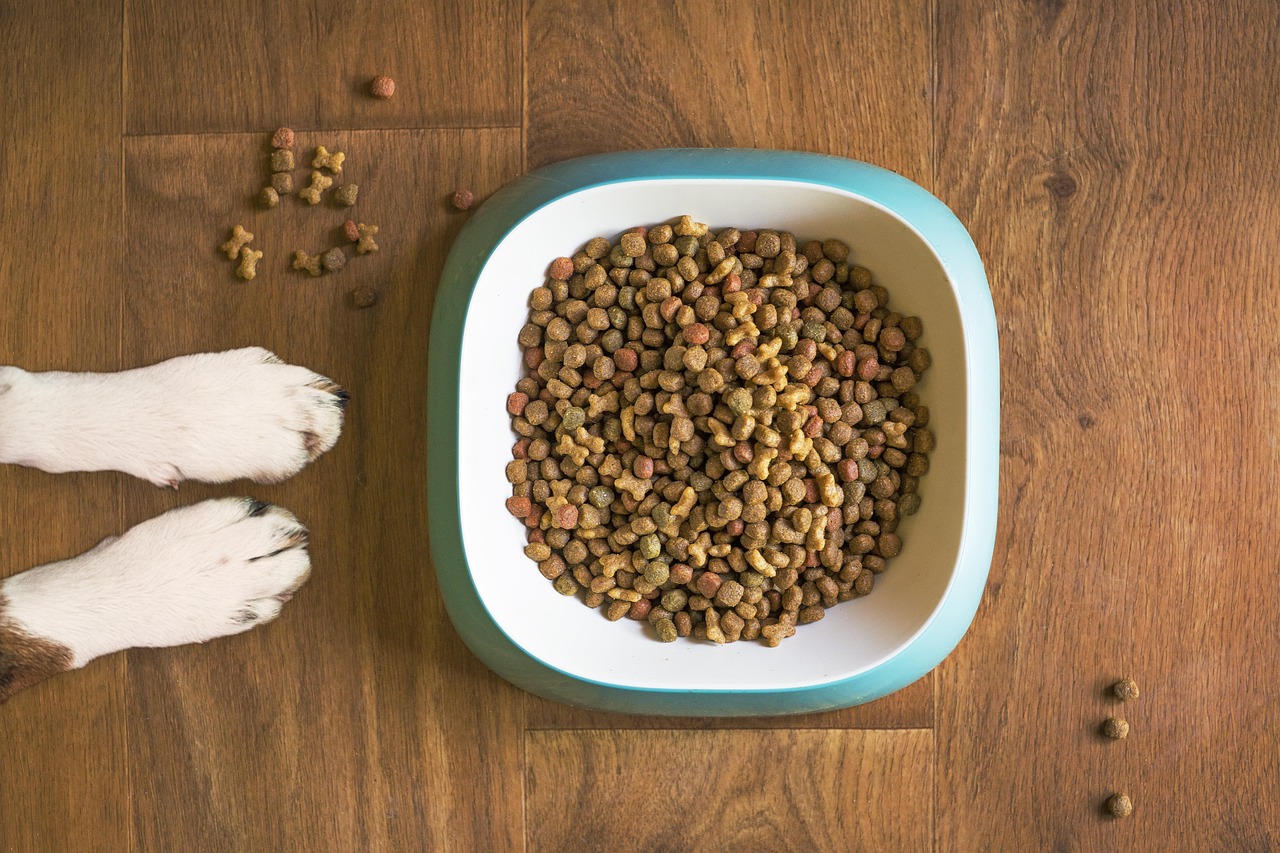

Feeding Puppies: Special Nutritional Needs for Growing Dogs
Puppies require a unique nutrient blend to support their rapid growth and development. Unlike adult dogs, puppies need more calories and specific nutrients to thrive. Focusing on high-quality dog food formulated for puppies is essential. Generally, puppy food consists of higher proteins and fats. Look for foods containing at least 22% protein and 8% fat to ensure proper dog development. Furthermore, consider checking for reputable brands that offer AAFCO (Association of American Feed Control Officials) certification. This certification indicates the food meets nutritional standards for puppy growth. Incorporate wet and dry food to enhance variety, ensuring proper hydration and taste. Always start by introducing new foods gradually to avoid gastrointestinal upset. Consult your vet for personalized dietary recommendations, particularly if your pup is a large breed. They have different nutritional needs compared to smaller breeds, requiring a balanced diet supporting joint health. Lastly, avoid human foods that can be toxic, such as chocolate and onions, for your puppy’s safety. Learning about your puppy’s feeding is crucial for their growth and well-being.
Feeding frequency plays a crucial role in your puppy’s feeding plan. Young puppies usually require three to four meals a day due to their small stomachs, which cannot hold large amounts of food. As puppies grow older, the frequency can be reduced to twice a day by around six months. Regular feeding schedules help in establishing routines and aid in potty training. When feeding puppies, it’s also important to measure out portions correctly. Overfeeding or underfeeding can lead to obesity or nutritional deficiencies. Always adhere to the feeding guidelines provided on dog food packaging. Consult your vet for personalized feeding amounts, particularly for breeds with unique requirements. Use a measuring cup to ensure accurate portions during each feeding session. Additionally, it’s beneficial to monitor your puppy’s weight regularly. If your puppy seems to be gaining too much weight, consider adjusting their food intake accordingly. Conversely, if they appear underweight, increasing their caloric content may be necessary. Regularly tracking your puppy’s growth helps you maintain their overall health and development.
Importance of Nutritional Balance
A balanced puppy diet is vital for their overall health. Essential nutrients include proteins, carbohydrates, fats, vitamins, and minerals. Each plays a unique role in growth and development, impacting everything from coat quality to bone health. Proteins serve as building blocks for tissues, crucial for muscle development. Look for high-quality protein sources, such as chicken or fish, in the ingredients list. Carbohydrates provide energy and should primarily come from whole grains. Fats also offer concentrated energy and support healthy skin and coat development. Omega fatty acids, found in fish oil and flaxseed, are particularly beneficial. It’s essential to ensure that vitamins and minerals are included in their puppy food, contributing to bone growth and immune function. Calcium and phosphorus are vital for developing strong bones, while antioxidants support a healthy immune system. The proper balance of nutrients is crucial, as deficiencies can lead to severe health issues in the long term. Always read ingredient labels to ensure your puppy gets the best-balanced nutrition, tailored specifically for their age and breed.
As you navigate your puppy’s early feeding stages, it’s essential to remain vigilant about their hydration needs. Puppies require access to clean, fresh water at all times to support their growing bodies. Dehydration can affect their health, potentially leading to serious complications. Introduce a water bowl that suits their size and encourages them to drink. Remember, puppies can be curious and may play with their bowls; choose durable materials that can withstand their antics. Monitor their water intake daily, particularly in warmer months or during activity, as they may become more thirsty. Adding water to their dry food can help ensure they receive adequate moisture, especially if they don’t drink enough. Additionally, consider offering ice cubes as a treat during hot weather, as they can entice your puppy to stay hydrated. If you notice any changes in their drinking habits, such as increased or decreased intake, consult your vet, as this could indicate health problems. Maintaining proper hydration is crucial for your puppy’s overall health, growth, and well-being.
Transitioning to Solid Food
Transitioning your puppy to solid food is a key milestone in their development. Usually, puppies can start this process around four weeks of age, moving from mother’s milk to a quality puppy food diet. Begin gradually by mixing softened puppy food with water or milk replacement to create a gruel. This helps ease their digestive system into processing solid food. Continue this mixture until they can consume regular puppy food exclusively by eight to twelve weeks. Pay attention to your puppy’s cues throughout this transition, monitoring their response to new textures. If they seem hesitant or refuse to eat, try different flavors or shapes until you find what they enjoy. Once fully transitioned, stick to a consistent brand to prevent digestive upset caused by dietary changes. Incorporate variety cautiously, as hearing puppy preferences can set the stage for a unique feeding routine. Always remember that patience is key during this period. Each puppy is different; some adapt quickly while others may take more time. Regular vet check-ups during this transition can ensure they are thriving.
It’s also crucial to adapt your puppy’s diet as they reach different life stages. As they grow into adulthood, their nutritional needs change. Ensure you switch from puppy food to adult dog food around twelve months to support their changing metabolism. Choosing a food appropriate for their size and activity level is equally important. Large breed puppies, for example, may need special formulas that promote slow growth and joint health, while small breeds could require energy-dense foods due to their higher metabolism. Regular consultations with a veterinarian help evaluate your puppy’s dietary needs as they grow. Additionally, consider their activity level; more active dogs may require increased caloric intake compared to couch potatoes. Be mindful of any allergies or intolerance that could emerge, and always opt for high-quality ingredients. This ongoing adjustment will help maintain their health throughout their life, promoting longevity and vitality. Also, encourage regular exercise, as a balanced diet combined with physical activity supports healthy growth. Remember, the right nutritional strategy ensures your furry friend remains happy and healthy.
Understanding Feeding Guidelines
Understanding feeding guidelines is an essential part of responsible puppy ownership. Every puppy is unique, so it’s vital to consult the feeding instructions provided on the food packaging. These guidelines usually recommend feeding amounts based on weight, age, and breed. Each brand of dog food may vary slightly in calories and composition, requiring you to adjust portions according to your puppy’s specific requirements. Tracking your puppy’s weight and growth can also assist in fine-tuning their diet; if your puppy is consistently gaining weight, you might consider reducing their portions slightly. Conversely, if they appear too thin, increase their food intake. Regular vet check-ups are critical in monitoring your pup’s health data during growth stages, offering personalized feeding plans. Additionally, treat various food items as potential dietary additives rather than staples. Remember, your puppy’s primary food source should always be formulated dog food, ensuring they receive essential nutrients. Taking time to educate yourself on the nutritional needs can contribute immensely to your puppy’s quality of life throughout their development.
Lastly, consider the importance of monitoring for any signs of food allergies in your puppy. Some puppies may experience allergic reactions to specific ingredients like grains or proteins, leading to gastrointestinal upset or skin irritations. Being observant of unusual behavior or physical changes can help you identify potential allergies. Common signs include itching, gas, or abnormal stools. If you suspect an allergy, consult your veterinarian for guidance on dietary adjustments or hypoallergenic dog food options. Additionally, if you’re introducing new food, always do so gradually, mixing it with their current diet to avoid adverse reactions. Keep track of any changes you notice in your puppy’s health during this time. Providing feedback to your vet can assist in creating an effective diet plan. Remember, a tailored diet not only supports your puppy’s growth but also contributes to their overall wellbeing. Adapting to your puppy’s needs throughout their growth allows them to lead a healthy and happy life. With love, patience, and the right nutrition, your puppy will develop into a well-balanced adult dog.