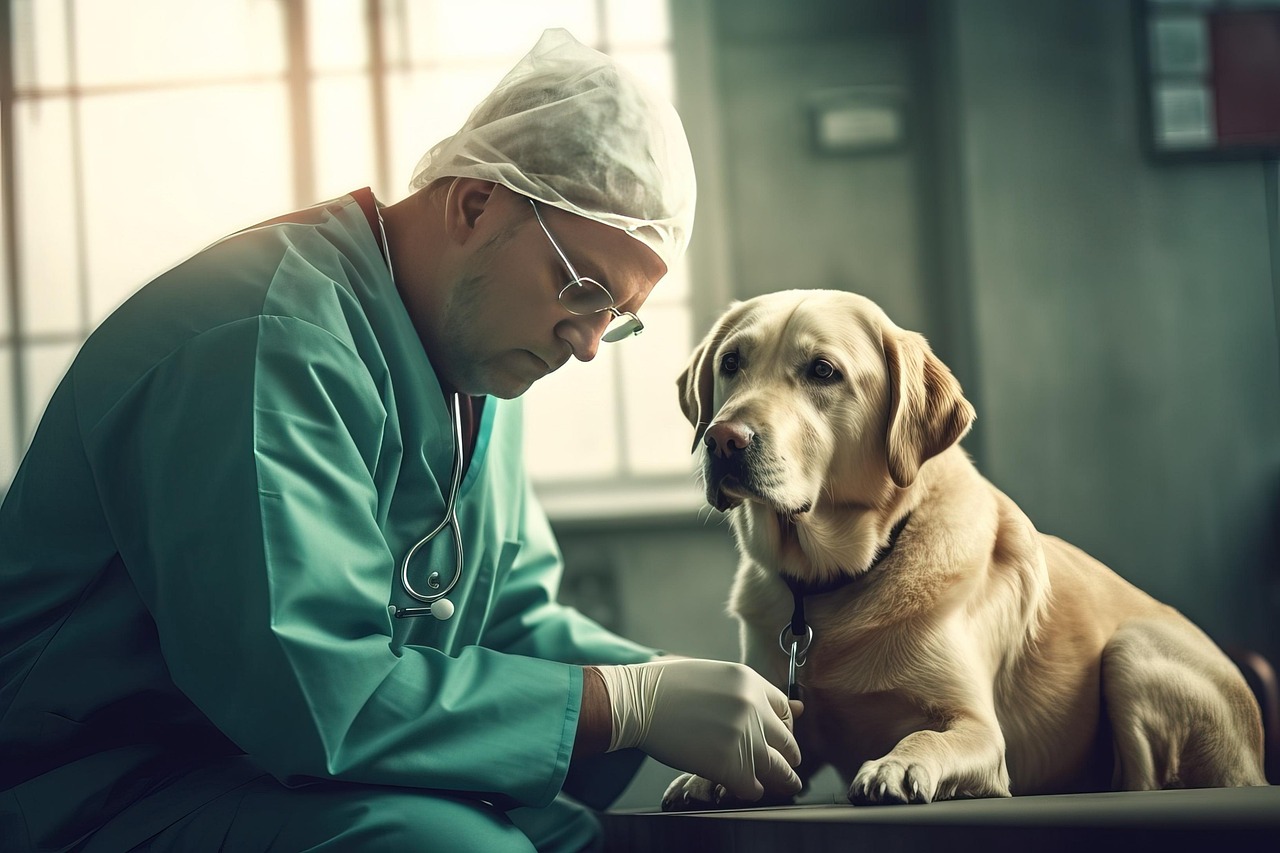

How Nutrition Impacts Dog Vaccine Effectiveness
Nutritional health plays a crucial role in enhancing the effectiveness of vaccines in dogs. Proper nutrition supports a strong immune system, which is essential for the vaccine to generate the desired immunity. A diet lacking in essential vitamins, minerals, and nutrients can lead to weakened immune responses. Among the vital nutrients, vitamins A, C, and E are especially significant in promoting immune function. Dogs receiving a balanced diet that includes these vitamins are more likely to respond positively to vaccination. Moreover, omega-3 fatty acids have been shown to help modulate the immune system, potentially improving vaccine efficacy. Adequate hydration should not be overlooked. While it is easy to focus solely on solid food, water intake is equally vital for maintaining optimal health and facilitating nutrient absorption. Pet owners must ensure their dogs are drinking enough water daily. This is crucial, particularly before vaccination. A well-balanced diet combined with a consistent hydration routine forms the foundation for a healthy immune response. Therefore, feeding dogs high-quality, nutritious food directly impacts their health, making vaccinations more effective in preventing diseases.
Various dog breeds may have distinct dietary needs affecting their responses to vaccines. Some breeds are predisposed to certain health issues, making appropriate nutrition even more important. For instance, large breeds such as Great Danes and St. Bernards often suffer from specific conditions that can impact their immune systems. Providing a tailored diet that addresses these potential issues showcases the owner’s commitment to their pet’s health. Conversely, small breeds may require different nutrients based on their unique physiology. It’s essential to recognize that breed differentiation is crucial in formulating a nutrition plan that optimizes vaccine efficacy. Regular veterinary consultations can help determine any unique dietary modifications based on breed-specific needs. Additionally, age plays a significant role in dietary requirements and vaccine responses. Puppies need specialized diets to support their rapid growth and developing immune systems, ensuring they receive necessary vaccinations effectively. Furthermore, senior dogs may require adjusted nutrient levels as their metabolism slows down. Owners must evaluate their dog’s needs based on age and breed to maximize the impact of vaccinations through nutrition. By staying informed, pet owners can ensure their dogs lead healthy lives while benefiting from vaccinations.
Understanding Nutritional Components
When considering nutrition in relation to vaccines, it is vital to understand specific components that enhance immune response. Protein stands as a critical nutrient, playing an integral role in antibody production following vaccination. High-quality protein sources, such as lean meats and fish, should be staples in a dog’s diet. These proteins provide the necessary amino acids that facilitate immune function and promote healthy cell regeneration. Additionally, antioxidants such as flavonoids found in fruits and vegetables contribute to cellular health and combat oxidative stress, another factor affecting vaccine effectiveness. Incorporating various fruits like blueberries and vegetables like spinach can help young dogs develop robust immune systems. Furthermore, probiotics are beneficial for digestive health and can positively influence the immune system. Research indicates a gut-health connection to overall immunity, suggesting that maintaining a healthy gut flora may enhance vaccine efficacy. Including probiotic-rich foods or supplements in the diet supports this aspect of health. Therefore, understanding these nutritional components is vital for pet owners in ensuring their dogs’ diets are optimized, maximizing the impact of vaccines while promoting overall well-being and longevity.
Another critical aspect of nutrition affecting vaccine effectiveness is the timing of meals in relation to vaccination. Some studies suggest that feeding dogs a nutrient-dense meal shortly before administering a vaccine can potentially enhance immune responses. This meal provides the body with the necessary building blocks to process the vaccine effectively, improving the metabolic rate at the time of vaccination. Conversely, an empty stomach may lead to less optimal activation of the immune system. However, it’s essential to consider the recommendation of veterinarians regarding meal timing in relation to vaccination. Each dog is unique, and a one-size-fits-all approach may not be appropriate. Typically, engaging in discussions with professionals before handling meal timings can yield better results in enhancing vaccine effectiveness. Additionally, dogs may exhibit different responses to vaccines based on their meal compositions. Foods high in carbohydrates might influence immune responses differently than protein-rich diets. Understanding these nuances helps tailor feeding schedules and practices to support vaccine effectiveness, ultimately leading to better health outcomes. Owners must prioritize proactive discussions with veterinarians to optimize the timing of meals concerning vaccinations.
Factors Influencing Nutritional Quality
The quality of the dog food itself holds significant potential for influencing the effectiveness of vaccinations. Pet owners face numerous options when selecting dog food, encompassing dry kibble, wet food, or fresh foods. The nutritional quality varies significantly across these categories, highlighting the importance of discerning choices. High-quality commercial dog foods often contain comprehensive nutrient profiles optimized for canine health. Owners should prioritize foods that meet AAFCO standards, confirming nutrient adequacy for their pets. Additionally, diet composition can influence vaccine responses; therefore, foods rich in whole ingredients are generally better choices. Whole meats, vegetables, and unprocessed grains provide the essential nutrients dogs need for a robust immune response. Avoiding fillers and artificial additives is crucial for sustaining health that effectively supports vaccination. Educating oneself through research increases awareness of optimal food brands and health benefits. Pet owners should not hesitate to consult with a veterinarian about which diets are best suited for their dogs. Ultimately, the investment in high-quality food directly translates to a dog’s performance in relation to vaccinations and overall well-being, paving the way for improved health outcomes.
Another essential determinant lies in the maintenance of a balanced diet over time. Consistent dietary practices ensure that dogs receive a steady supply of nutrients necessary for optimal immune health. Irregular feeding patterns, or frequent diet changes, can lead to nutrient deficiencies or imbalances, impairing vaccination effectiveness. A stable diet allows the immune system to function properly and build resilience against infections. Moreover, monitoring body condition scores (BCS) helps pet owners make informed adjustments to their dog’s diet as needed. Regular adjustments based on weight, activity level, and age can prevent obesity and related health complications that might affect immunity. Furthermore, dogs suffering from obesity or malnutrition are less likely to have robust immune responses, reducing the effectiveness of vaccinations. Therefore, creating a strategic plan for maintaining a steady, balanced diet is essential. Owners can foster health in dogs by observing daily feeding routines and regularly consulting with veterinarians regarding diet stability. By prioritizing consistent nutrition, pet owners can ensure that their dogs remain healthy and better prepared to respond positively to vaccinations and ultimately thrive.
Conclusion: Nutrition and Vaccination
In summary, effectively vaccinating dogs extends far beyond the administration of the vaccine itself. Each component of a dog’s nutrition forms an integral part of ensuring the vaccine meets its intended purpose. From the selection of high-quality food filled with vital nutrients to maintaining a stable feeding routine, every factor contributes to the dog’s health and immune response. By understanding how different nutrients impact vaccination and knowing each dog’s unique requirements, pet owners can enhance their dog’s overall well-being. Vaccination is a key preventive measure for maintaining health; stronger immune responses lead to better protection against diseases. Therefore, proactive measures involving nutrition will ultimately help maximize vaccination effectiveness, paving the way for happier, healthier pets. Involving veterinary professionals in diet choices and ensuring proper nutrition tailored to specific breeds, ages, and health issues enhances the effectiveness of vaccines. Along with providing adequate nutrition and hydration, responsible pet ownership includes staying informed and recognizing signs of health changes. As our canine companions play vital roles in our lives, investing in their nutrition is an investment in their health and happiness.
Maintaining a balanced diet enhances a dog’s longevity and its ability to respond successfully to vaccinations. Adequate nutrition directly impacts vaccine effectiveness, making it essential for pet owners to understand and apply best practices. Adopting a well-rounded approach to nutrition safeguards against potential health risks while ensuring a strong immune system is established. By prioritizing nutrient-rich foods, proper hydration, and consistent feeding practices, pet owners pave the way for their dogs’ health and happiness. Implementing these nutritional strategies relies on research, veterinarian guidance, and attention to each dog’s unique needs, ultimately resulting in a comprehensive health plan. Your dog relies on your choices, as their nutrition serves as the foundation for optimal health, ensuring vaccines work effectively. Engaging with accessible resources—books, articles, and community veterinary practices—will keep you informed on best practices in dog nutrition. Meeting these dietary requirements ensures that vaccines are successful in warding off disease. As a devoted pet owner, the more you invest in your dog’s nutrition, the better their health outcomes will be, empowering them to lead a happy, energetic life that extends well into their senior years.