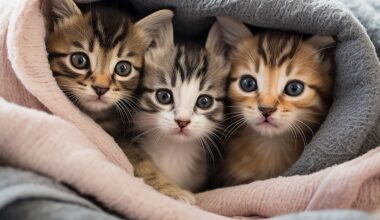

Preventing Feline Leukemia Virus (FeLV) Through Vaccination
Preventing Feline Leukemia Virus (FeLV) is critical for maintaining the health and well-being of cats. FeLV is a viral infection that affects cats and can lead to serious health issues. Vaccination plays an essential role in preventing this life-threatening disease. The FeLV vaccine is typically administered to young kittens starting at eight weeks of age, with a booster shot followed three to four weeks later. Adult cats that have not been vaccinated should also receive the vaccine according to veterinary guidelines. It’s important to consult with a veterinarian to determine the best vaccination schedule for your cat. Additionally, indoor cats are at a lower risk of contracting FeLV compared to outdoor cats, thus emphasizing the need for proper living conditions. Maintaining a stress-free environment, providing a balanced diet, and ensuring regular veterinary check-ups are vital components of preventive care. Early detection of any health issues is advantageous in protecting your feline friend. Keeping unvaccinated cats away from known FeLV-positive cats can help limit exposure to this virus, making vaccination an important proactive measure for every responsible cat owner.
The signs of Feline Leukemia Virus often develop slowly over time. Common symptoms include weight loss, poor appetite, and lethargy. Often, cats previously infected can appear healthy for years because the virus can remain dormant. Regular veterinary check-ups are critical for early detection of this virus. Veterinarians may recommend a blood test to determine if your cat is FeLV-positive or negative. If your cat is diagnosed with FeLV, immediate medical attention is necessary to manage symptoms and improve quality of life. Moreover, a comprehensive vaccination strategy is beneficial for all cats, particularly those who are frequently exposed to other felines. Keep in mind that the FeLV vaccine does not guarantee complete immunity, but it significantly reduces the risk of infection. Combining vaccination with routine health assessments enhances overall effectiveness in preventing this disease. Other preventive measures include quarantining new cats before introducing them into multi-cat households and ensuring they are vaccinated before they come into contact with established pets. Educating yourself about FeLV transmission and prevention strategies enables you to take informed steps in protecting your feline companions.
Understanding the Feline Leukemia Virus
Feline Leukemia Virus (FeLV) is a retrovirus that compromises feline immune systems leading to various diseases. This virus is primarily transmitted through deep bite wounds, mutual grooming, and from mother to kitten during pregnancy or nursing. The virus can cause immunosuppression, leading to secondary infections, and is often fatal. FeLV is a preventable disease that can be effectively managed through vaccination. The development of FeLV vaccines has been crucial in giving cat owners the tools needed to protect their pets. The vaccine contains killed or modified live virus particles to stimulate an immune response without causing the disease. However, consulting with a veterinarian remains essential to determine the most appropriate vaccine for your cat based on its lifestyle and health history. Awareness about FeLV’s nature, treatment options, and how to prevent its spread is paramount. Additionally, eliminating the outdoor risks can greatly aid in preventing exposure. Testing newly adopted or stray cats before introducing them into your home can minimize the risk of your other pets contracting the virus. Information is the first step towards a successful prevention strategy, ensuring all precautions are in place.
Research continuously shows the significance of vaccinations in reinforcing feline health. Experts recommend a combination of vaccines, including those for FeLV alongside others, such as FVRCP, rabies, and feline infectious peritonitis. Comprehensive vaccination schedules can help shield cats from multiple viral infections and maintain a robust immune system. Beyond vaccinating, routine wellness examinations should not be overlooked. These check-ups allow veterinarians to monitor your cat’s health and make timely interventions as needed. Additionally, proper hygiene at home is vital for preventing the spread of infectious diseases, including FeLV. Regular cleaning of cat litter boxes and feeding supplies can limit bacterial growth and transmission. Vaccination is a critical cornerstone of disease prevention, but it also goes hand-in-hand with providing a safe living environment. Always ensure that vaccinations are administered by a licensed veterinarian to guarantee safety and efficacy. Remember, the more informed you are about your cat’s health needs, the better positioned you’ll be to ensure a long, healthy life for your feline companions. Staying proactive is the key to minimizing risks associated with FeLV and other feline diseases.
Importance of Regular Veterinary Check-ups
Regular veterinary check-ups are a vital component of feline healthcare. These visits allow for early detection of diseases, including FeLV and other common feline ailments. During check-ups, veterinarians can keep track of your cat’s weight, dental health, and overall condition. Catching health issues early on leads to more successful treatment outcomes and can save costs associated with advanced medical interventions. Additionally, routine vaccines are usually given at these appointments, ensuring your cat stays protected against various diseases. Veterinarians also provide valuable insights into cat care, offer nutritional advice, and give guidance on behavioral issues. Engaging in regular health assessments can ultimately contribute to the enhanced longevity and well-being of your cat. Furthermore, preventive healthcare fosters a collaborative relationship between pet owners and veterinarians, creating a strong frontline against feline diseases. This teamwork ensures cats live longer, healthier lives. Discuss any specific concerns or unique risks that your cat might face, as every feline’s needs can vary significantly based on age, lifestyle, and breed. Following veterinary recommendations can significantly reinforce your pet’s health and quality of life, making regular wellness visits a priority.
As responsible pet owners, minimizing the chances of exposure to FeLV through well-informed practices is essential. Make it a point to educate yourself on FeLV signs, symptoms and modes of transmission. Conducting education sessions among households with multiple cats can lead to collective understanding regarding preventive measures and vaccination importance. Providing a baseline knowledge among cat owners fosters responsibility toward their pets’ health and well-being. Support local shelters and organizations that focus on public education on FeLV and other feline diseases to further promote awareness. Encouraging kitten adoption comes with an added responsibility to educate new owners about the needs they may have. Proactively sharing vaccination guidelines and preventive care tips can lead to better health outcomes in the wider feline community. Joining local cat owner groups can bring together individuals aiming for a shared goal of feline health. Community support systems not only help in spreading vital information but also provide emotional and social resources to cat owners. The power of knowledge and shared responsibility can set a new benchmark for feline health standards, safeguarding cats from FeLV and promoting overall pet health.
Conclusion: Proactive Care is Key
In conclusion, preventing Feline Leukemia Virus (FeLV) through proactive care, vaccination, and educational initiatives is crucial for cat owners. The responsibility falls on pet owners to ensure their cats receive proper vaccinations, undergo routine veterinary check-ups, and maintain a safe living environment. Understanding FeLV, its transmission modes, and implementing preventive measures will significantly reduce the risks. Furthermore, fostering a community of informed cat owners will contribute positively to feline health across communities. Encourage discussions around feline health and vaccination with fellow cat owners to spread awareness and build a support network. Always remember to consult a veterinarian for tailored health advice specific to your cat. Vaccinations provide a crucial shield against FeLV, yet they are just one part of a multi-faceted approach to cat care. Nutrition, mental stimulation, regular exercises, and proper hygiene combined with vaccination form the backbone of a safe feline lifestyle. By prioritizing education and veterinary partnerships, cat owners can ensure a happy, healthy future for their beloved felines, significantly reducing the prevalence of FeLV and other harmful diseases that threaten their well-being.
Ultimately, the goal of any cat owner should be to create an environment where their cats can thrive, free from diseases such as FeLV. Ensuring that your feline friends are vaccinated increases the chances of a long, healthy life. Investing in preventive care, like vaccinations, can save both money and heartache in the long run. Knowledge is empowering, and by staying informed about vaccinations, health necessities, and potential threats, cat owners can make a real difference in their pets’ lives. Understanding that FeLV is a preventable disease enables one to champion the health of not only their cats but also manage a healthier environment for pets within the community. With the right approach, FeLV can be systematically reduced, enhancing overall feline health standards. Encourage others to vaccinate their cats and support initiatives that promote cat health and preventive care approaches. As a collective, we can reduce the impact of FeLV significantly through concerted efforts and shared knowledge. Working together, we can ensure a brighter future for all cats, significantly contributing to the health and well-being of felines everywhere.