
Understanding the Basics of Schutzhund Training
Schutzhund training is a popular dog sport originated in Germany, focusing on a dog’s ability in three main areas: tracking, obedience, and protection. This sport is not only rigorous but also deeply enriching for dogs if conducted correctly. Schutzhund serves multiple purposes, including improving a dog’s temperament, enhancing its working abilities, and fostering a strong bond between the dog and its handler. The sport helps dogs develop their natural instincts while requiring them to work closely with their human partners. It’s essential to use positive reinforcement methods during the training process, promoting a willing and motivated dog. Practicing regularly, setting achievable goals, being patient, and keeping sessions short can lead to success. Participants often join clubs and organizations dedicated to Schutzhund to learn best practices and find support. Many handlers benefit from mentors or more experienced trainers willing to advise on techniques and strategies for improvement. Training in Schutzhund can be both physically and mentally demanding but is equally rewarding for both the dog and the owner.
The first component of Schutzhund training is tracking. In this exercise, dogs learn to follow a scent trail left by a person. This aspect of training is vital, as it taps into the dog’s natural instinct to search and find scents. Handlers lay a track by creating a path with various items along the way for the dog to locate. The goal is to teach the dog not only to remain focused during the search but also to learn the correct approach to indicate the items discovered during the tracking exercise. Additionally, dogs are often introduced to various surfaces and environments to strengthen their scent discrimination skills. The more intentionally a dog engages with tracking, the greater its confidence becomes in this activity. Training can occur in different environments, like parks or fields, helping to acclimate the dog to diverse conditions. Notably, regular practice enhances the dog’s endurance and precision in tracking, leading to a successful experience during competitions. Owners should celebrate their dog’s achievements at each step to motivate them and establish a positive atmosphere.
Obedience Training in Schutzhund
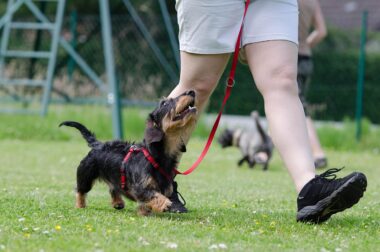
Another essential element of Schutzhund training is obedience. This segment emphasizes the bond and communication between dog and handler. Dogs must demonstrate proficiency in basic commands like sit, stay, and come, along with more complex exercises designed to teach the dog various skills and behaviors. Obedience training serves numerous functions in Schutzhund, such as reinforcing discipline, building focus, and establishing trust. Training sessions typically involve short bursts of commands followed by reward-based reinforcement, which encourages learning and participation. Handlers should remain patient, as mastery of commands takes time and practice. Frequent repetition helps solidify obedience in dogs, ensuring they respond accurately under various conditions. Training should involve distractions and varied environments, where dogs can practice their skills and stay focused on their handlers. Additionally, enriching training with different exercises makes it enjoyable for both dogs and handlers, fostering a deeper bond. Frequent practice and socialization in obedience lead dogs to excel, gaining confidence and expertise, allowing for better performance in various situations.
Protection work is the most dramatic segment of Schutzhund training. This area enables dogs to utilize their inherent protective instincts responsibly. During protection training, dogs learn to guard their handler and respond to perceived threats. Handlers first teach dogs basic commands, then progress to more complex exercises, ensuring that dogs can differentiate between real dangers and false alarms. Effective protection work requires that dogs maintain a calm demeanor while also demonstrating their willingness to intervene when necessary. Dogs must be socialized correctly to ensure they do not fear or overreact to strangers or unexpected events. Handlers play a crucial role in consistently providing guidance and feedback to ensure the dog understands its role appropriately. A good protection dog must exhibit control, strength, and discipline. The ultimate objective of this training is for the dog to act confidently, remaining focused on its handler, rather than merely reacting to stimuli. Practice in diverse scenarios inside and outside the training environment will help build proper judgment and response in dogs. This specialized training complements the overall Schutzhund experience.
Importance of Socialization
Socialization is an integral part of preparing a dog for Schutzhund training. Early exposure to various environments, unfamiliar people, and different animals helps dogs develop the confidence they need to handle multiple situations. Socialization encourages dogs to exhibit appropriate behavior, making it crucial during their formative stages. This process involves introducing the dog to excursions in parks, busy streets, or public spaces, allowing them to evolve socially. Positive interactions establish trust in humans and create a sense of ease. Handlers should promote comfort and familiarity during these encounters, as stress can hinder development. Socialization provides the foundation for diverse training aspects found in Schutzhund, leading to more effective performance in tracking, obedience, and protection exercises. Additionally, increased socialization leads to improved temperament, communication, and adaptability in various environments. A well-socialized dog is more likely to be confident while adapting quickly when faced with the unexpected. Handlers are encouraged to maintain a consistent socialization program throughout their dog’s life, focusing on various situations that the dog may encounter. Regular exposure promotes a well-rounded, happy, and capable working dog.
Handlers interested in Schutzhund training often seek out training clubs or organizations. These clubs provide essential resources, support, and camaraderie in a dog sports community. Joining organizations can open doors to seminars, competitions, and mentorship opportunities that facilitate learning. Additionally, clubs often organize training sessions where handlers and their dogs can practice alongside others, fostering a sense of community and support. Networking with fellow enthusiasts can also lead to friendships and further learning experiences, benefiting participants on their Schutzhund journey. Clubs also encourage the sharing of knowledge and best practices, allowing handlers to connect with experienced trainers, which can expedite the training process for both dogs and handlers. Through collaboration, handlers can refine their techniques, troubleshoot challenges, and celebrate each other’s successes. Participating in group events, such as competitions, tests, or workshops, sharpens skills and improves the overall experience of Schutzhund training. Moreover, handlers gain inspiration and motivation by witnessing the dedication and excellence of fellow participants, driving individuals to elevate their level of training and commitment to their dogs.
Conclusion and Future Training
In conclusion, Schutzhund training is an engaging and rewarding pursuit for dogs and their handlers. By focusing on tracking, obedience, and protection, owners cultivate a strong bond and communication with their dogs, enriching their lives together. Effective training requires patience, consistency, and commitment from the handler, promoting a cultivating atmosphere for growth. Socialization and participation in clubs are essential components of a successful Schutzhund journey. Handlers benefit greatly from community support, networking opportunities, and access to experienced trainers, leading to improved experiences and overall outcomes for their dogs. Continually developing skills in tracking, obedience, and protection techniques allows for advancing in the sport, and handlers should remain open to learning as they progress. With dedication and effort, handlers will witness their dogs flourish in the sport while establishing a solid foundation rooted in trust and teamwork. As more individuals become interested in Schutzhund training, the community will continue to evolve, promoting the sport and enhancing the quality of training. Ultimately, Schutzhund aims to create well-rounded canine companions, excelling in various activities and bringing joy to their handlers.
The sport itself not only tests the capabilities of both the dog and handler but also offers a sense of accomplishment. Engaging in Schutzhund training promotes physical and mental health for the dogs, challenging them and allowing them to thrive. Overall, Schutzhund fosters a unique relationship between canine and human, showcasing the extraordinary potential of dogs when provided with proper training and guidance. As a result, this sport continues to gain interest, offering an exciting and fulfilling avenue for dog owners everywhere.