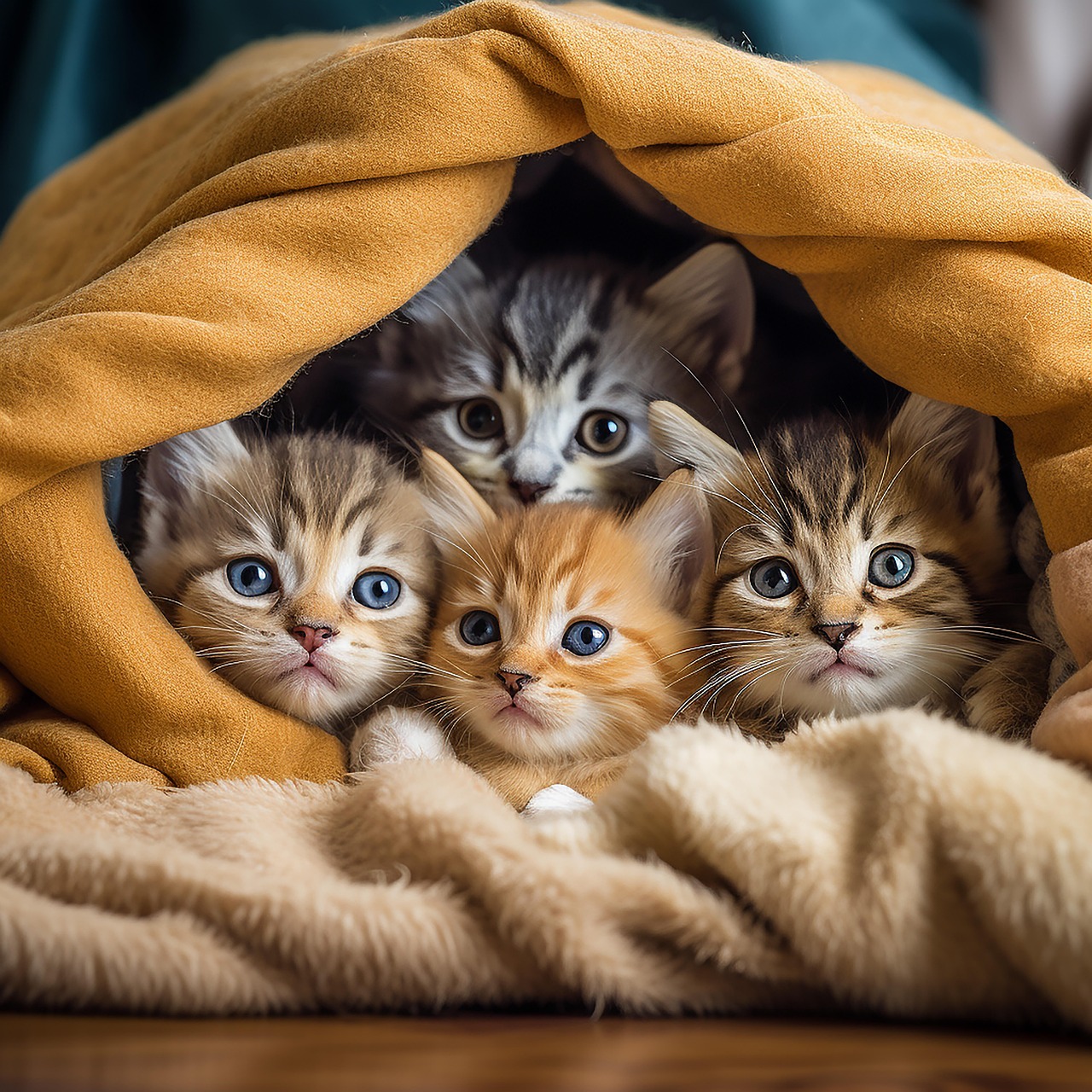

Understanding the Impact of Early Handling on Cat Socialization
Socialization is a crucial phase in a cat’s life that greatly influences its behavior and temperament. Effective socialization begins as early as possible, ideally during the first few weeks of a kitten’s life. Early handling helps kittens become more adaptable and confident in their environment. Kittens that are positively exposed to a variety of stimuli, people, and other animals are more likely to grow into well-adjusted adults. This can occur through gentle handling, exposure to different sounds, and gradual introductions to various surfaces. The goal is to promote a sense of security and curiosity. Kittens that are not adequately socialized can develop fear or aggression towards unfamiliar situations. Owners should consider creating a controlled and enriching environment to enhance the socialization experience. Consistent interaction with humans is equally important. Engaging regularly with the kitten aids in building trust and a positive association with human presence. Future cat owners should understand the long-term implications of early socialization and its impact on the cat’s adaptability, behavior with other pets, and overall temperament. Thus, the significance of early handling cannot be overstated for a lifetime of harmony and companionship.
The process of socialization encompasses various important elements, including trust and positive reinforcement. Building trust with a kitten starts with gentle handling, which includes picking them up, petting, and allowing them to explore their surroundings safely. This builds their confidence and lets them feel secure. As the kitten grows, it becomes essential to introduce it to different experiences; for example, exposing them to various household sounds and gentle handling by different people. This makes sure the kitten won’t become fearful of new experiences later in life. It is critical to use positive reinforcement during this process. Rewarding the kitten with treats, praise, or toys when they display curiosity or calmness encourages continued exploration and good behavior. With positive interactions, kittens learn that new environments can be enjoyable rather than threatening. Surrounding the kitten with a range of sensory experiences can include various textures, sights, and smells. The primary aim should always be the establishment of a safe space where the kitten can feel relaxed and curious. This balanced approach helps foster adaptability and resilience as they progress to adulthood.
Critical Periods of Socialization
Understanding the critical periods of socialization is essential for pet parents. The first few weeks are crucial; during this time, kittens are unusually receptive to their environment. The initial three to nine weeks of life are a window where social interactions leave lasting impressions. During this period, a kitten’s brain is like a sponge, absorbing experiences that will shape its future behavior. Kittens begin to learn social cues, interaction boundaries, and temperament from their mother and littermates. If a kitten is isolated or experiences trauma during this phase, it can lead to long-term behavioral issues, such as aggression or fearfulness. A lack of exposure and positive experiences can solidify these negative traits. Late socialization can make it difficult for cats to adapt to new situations later in life. Thus, engaging with both their mother and littermates is vital for learning appropriate play behavior and communication skills. Early intervention during this critical window can significantly improve the overall well-being of a cat. Therefore, it is imperative that prospective cat owners recognize the importance of early handling and socialization opportunities effectively.
As kittens grow, the approach to socialization may shift but remains essential. Post the critical period, continued exposure to new experiences and people is vital for nurturing a well-rounded adult cat. Engaging in positive experiences with visitors, other pets, and various environments minimizes anxiety during adulthood. Owners should gradually introduce their kittens to new situations to prevent overwhelm. Always supervise interactions, especially with other pets, to ensure ongoing safety and promote healthy play. Providing a consistent routine where positive social interactions occur without forcing the kitten is crucial. For instance, play sessions, feeding, and grooming provide excellent opportunities for bonding and exposure. These activities strengthen the relationship between the kitten and its owner while fulfilling essential socialization needs. The interactions should always be positive, using treats and gentle encouragement to reinforce good behavior. As a cat matures, its socialization skills can be refined. Incorporating interactive toys and engaging in play can enhance their confidence and adaptability, preparing them for changes in their environment. Regular visits to friendly environments, including vet visits, can further strengthen their social skills, leading to a balanced and well-adjusted adult cat.
Challenges in Socialization
There can be several challenges in the process of cat socialization that pet owners should anticipate. Fearful or shy kittens may resist interaction and display signs of stress or anxiety when faced with unfamiliar situations. It’s vital to understand the individual temperament of each kitten to tailor socialization techniques accordingly. Those kittens may benefit from slower, more gradual introductions. Early trauma can manifest in behavioral challenges, requiring specialized techniques for successful socialization. To assist a fearful kitten, it is critical to create a safe, calm environment where the kitten can gradually acclimate to new experiences. Patience is essential; pushing a kitten out of its comfort zone too quickly can backfire and reinforce negative associations. Creating predictable routines can soothe anxious kittens and help them grasp social cues. Another challenge lies in the interplay of genetic temperament and social experiences. Each kitten is unique, and understanding its personality type plays a critical role in socialization success. For instance, some may be more naturally outgoing, while others require encouragement. Tailoring the approach to cater to these differences ensures lasting benefits and a happy feline companion.
Moreover, early handling does not stop as the kitten matures; it requires ongoing effort. Continued socialization can also enhance existing relationships, solidifying bonds between cat and owner. Training sessions that help reinforce desired behavior through positive reinforcement also enhance social skills. This ongoing process builds confidence and a deeper understanding of cat behavior. Additionally, family members and friends can become a source of positive social experiences, ensuring the kitten is comfortable with diverse interactions. Ensuring that these experiences remain positive is crucial for fostering secure attachment and trust. During adolescence, socialization efforts can also help mitigate behavioral problems, such as aggression or territoriality, especially when introduced to new pets. Regular group play sessions and controlled interactions with other animals encourage adaptable behavior. Continuous positive exposure leads to a well-socialized cat that displays confidence during changes and challenges. Thus, cat owners must view socialization as a lifelong commitment rather than as a short-term phase, reinforcing good behavior through attention and rewarding interaction to foster a warm companionship.
Conclusion: Lifelong Impact of Socialization
In conclusion, the lifelong impact of socialization initiated through early handling profoundly shapes a cat’s future. The significance of the first few weeks of life can never be underestimated. Fostering an environment rich in positive experiences cultivates adaptable and approachable cats that can thrive in various settings. Positive interactions with humans, increased exposure to different situations, and sustained engagement contribute to well-rounded pet behavior. Owners should remain actively involved in the socialization process, remembering each cat’s unique temperament and needs. By focusing on trust-building and positive reinforcement throughout the cat’s life, owners can ensure lasting companionship. Remember, ongoing socialization is critical even as the cat matures; continuous efforts will enhance the development of confidence and resilience. Moreover, addressing any challenges that may arise requires a customized approach tailored to the kitten’s personality. As such, facilitating early and ongoing socialization will ensure that cats develop the skills they need to navigate their worlds without unnecessary fear or aggression. Ultimately, understanding and prioritizing early handling will lead to more enjoyable and harmonious experiences between cats and their owners for years to come.
To enhance your understanding of cat socialization, it is beneficial to read research articles and consult reliable resources. Books focusing on feline behavior and positive reinforcement training can offer further insights.