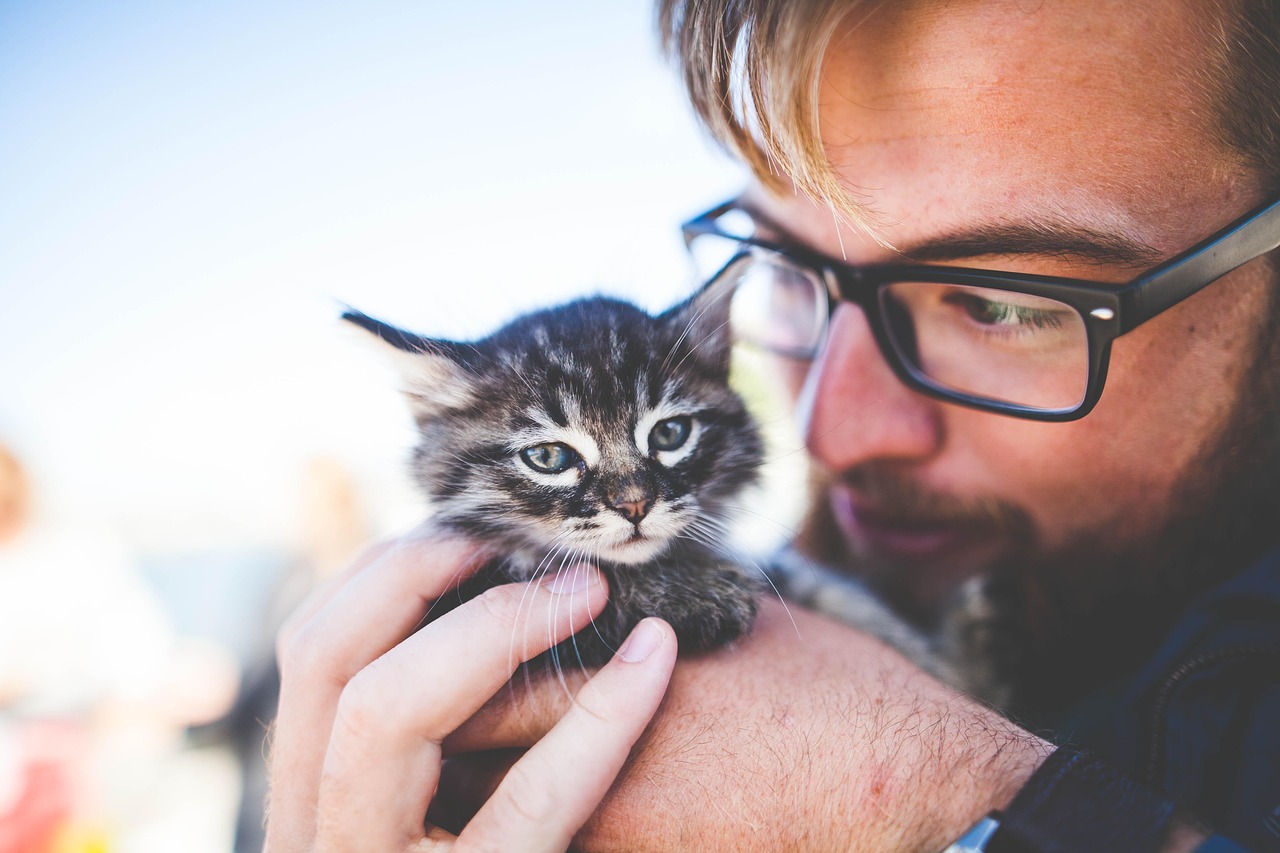

Vaccination Concerns in Kittens: When to Consult a Veterinarian
Vaccination is crucial for kittens as it helps them build immunity against various infectious diseases. When you adopt a kitten, it’s essential to consult a veterinarian about their vaccination schedule. Kittens typically receive their first vaccinations between six to eight weeks of age. You should ensure they get all core vaccines recommended by your veterinarian, which often include FVRCP (Feline Viral Rhinotracheitis, Calicivirus, and Panleukopenia) and rabies. These vaccines help protect your kitten against life-threatening diseases. Adhering to the schedule ensures your kitten is adequately protected.
Follow-up vaccinations are essential as most vaccines require multiple doses to be effective. Consult your vet about when your kitten needs their second and third rounds of vaccinations. This follow-up typically occurs at 9 and 12 weeks, allowing the immune system to build up adequate defenses. Additionally, ensure your kitten has routine check-ups with the vet during this crucial period. This allows you to track any health concerns and maintain the recommended vaccination timeline for optimal protection against diseases.
Monitoring Your Kitten’s Health
Observing your kitten for any signs of distress or illness is paramount after vaccinations. Vaccination side effects are typically mild but can include fatigue or slight swelling at the injection site. If symptoms persist beyond a day or worsen, contacting your veterinarian promptly for advice is crucial. Some kittens might also experience allergic reactions. In rare cases, serious side effects may occur, necessitating immediate veterinary care. Always monitor your kitten closely during this time to ensure their well-being.
Other signs indicating that you should consult your veterinarian include persistent vomiting, diarrhea, or unusual lethargy. If your kitten shows any signs or symptoms of illness beyond the expected side effects, it’s essential to contact your vet. Early intervention can significantly improve outcomes. Keeping a journal of your kitten’s health and behaviors can be helpful when discussing symptoms with your veterinarian. Your vet can help determine if your kitten needs additional support or testing to ensure their health and promote recovery.
Understanding Vaccination Schedules
It’s essential to stick to the vaccination schedule recommended by your veterinarian. This schedule will include core and non-core vaccines. Core vaccinations are necessary for every kitten, while non-core vaccines may be optional based on your kitten’s lifestyle and environment. Ensuring your kitten is appropriately vaccinated can save you stress and financial burden later. Discuss with your vet which vaccines your kitten needs based on lifestyle, potential exposure to diseases, and regional health concerns.
Always consider the possible re-vaccination requirements or boosters that may be necessary throughout your kitten’s life. Some vaccines require boosters after one year to ensure lasting immunity. Your veterinarian will guide you on vaccine frequency and any necessary health checks required before vaccinations. Ensuring timely vaccinations helps to prevent many health issues, contributing to a longer, healthier life for your beloved pet. Prioritizing vaccinations is a critical component of responsible pet ownership.
The Importance of Vet Consultations
Your veterinarian plays a vital role in maintaining your kitten’s health. Regular check-ups ensure that your kitten is growing correctly and receiving the appropriate vaccinations. These visits allow for early identification of any health issues and for developing safe, effective preventive care. Moreover, your vet can assist you with nutritional advice, behavioural training tips, and other crucial factors affecting your kitten’s development and health over time.
Remember, your veterinarian is your best ally in providing the care your kitten needs. Do not hesitate to reach out with any questions or concerns regarding your kitten’s health. Vaccination is just one vital element of their overall well-being. A strong veterinarian-pet owner relationship contributes to your kitten’s long-term health and happiness. Never put off seeking professional advice when you feel it is needed to ensure the best for your furry companion.