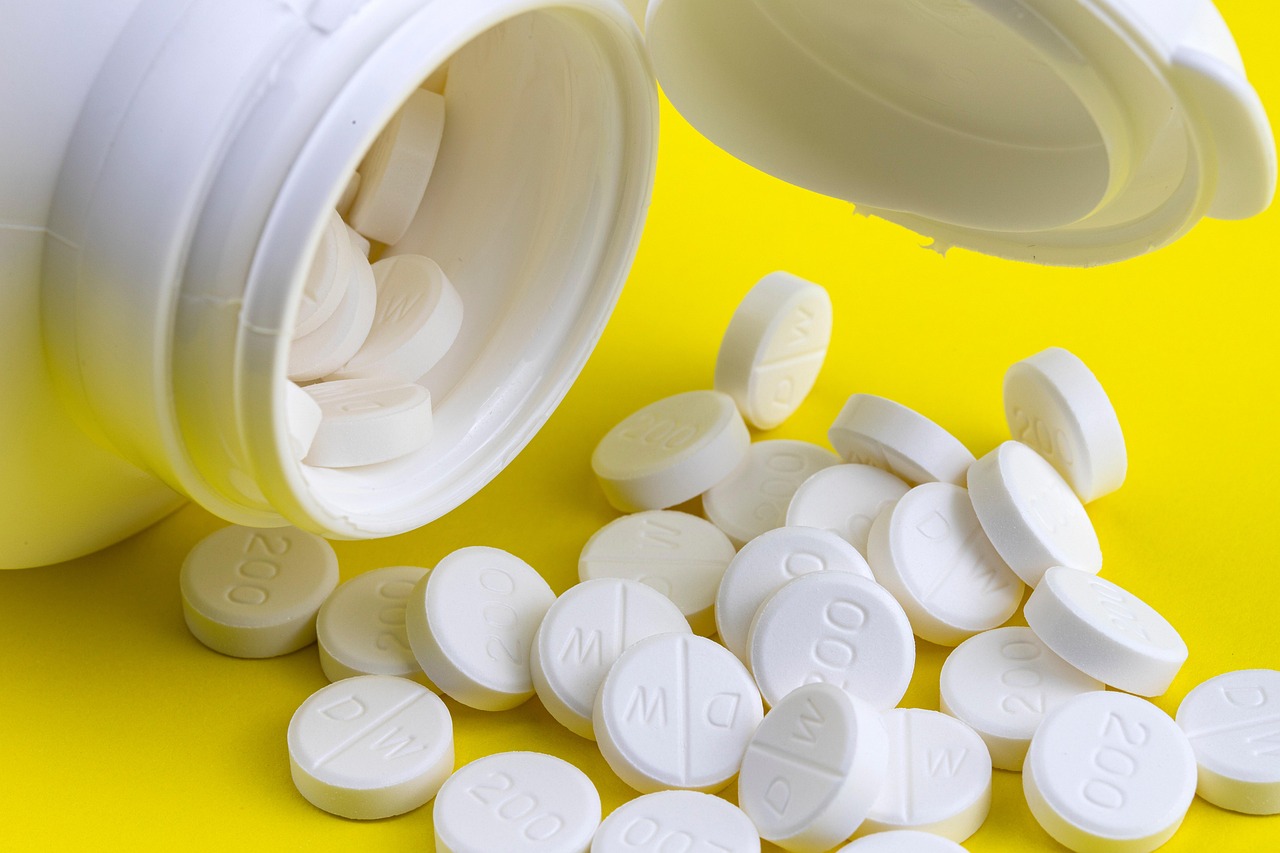

Veterinarian Recommendations on Cat Multivitamins
Cats, like humans, can benefit from proper nutrition, and veterinarian recommendations often emphasize the importance of multivitamin supplements. Essential nutrients support immune function, skin health, and energy levels in felines. However, before choosing a multivitamin, consult your veterinarian to determine your cat’s specific needs. Some cats may have dietary deficiencies, while others might not require any additional supplements. Factors influencing this decision include your cat’s age, health condition, and dietary habits. A balanced diet primarily composed of high-quality cat food often provides sufficient nourishment. However, certain situations, such as illness or aging, may necessitate supplemental vitamins. A lack of vital nutrients can lead to serious health issues, impacting overall wellbeing. Regular vet check-ups allow for tailored dietary advice and ensure your cat remains healthy and active. When considering multivitamins, look for vet-approved brands that are formulated with necessary nutrients like taurine, omega fatty acids, and vitamins A, C, and E. Prioritize products with quality certifications and avoid overusing supplements, as excessive vitamins can be harmful. Suitable multivitamins can contribute positively to your feline friend’s health when used correctly.
When selecting a multivitamin for your cat, consider the specific needs of your feline companion. Certain breeds may require different levels of various nutrients, and some cats may have allergies or sensitivities to specific ingredients. It’s crucial to review the label and ensure the ingredients align with your cat’s dietary requirements. Look for essentials like B vitamins, which help maintain energy levels, and electrolytes that aid hydration. Moreover, probiotics in some multivitamins can enhance gut health and digestion, which is crucial for nutrient absorption. It’s advisable to avoid multivitamins containing artificial colors or fillers, as these can contribute to digestive problems and fail to provide any nutritional benefits. Instead, focus on holistic options with natural ingredients that cater to feline physiology. Some reputable brands offer formulations specifically designed for different life stages, ensuring that the vitamins cater to kittens, adults, and seniors effectively. Always introduce new supplements gradually, monitoring your cat for any adverse reactions. Educating yourself about your cat’s needs fosters better health and ensures proper vitamin intake is tailored to their unique requirements for a happy, healthy life.
Monitoring Your Cat’s Health and Diet
Regular monitoring of your cat’s health is vital, especially when introducing multivitamin supplements into their diet. Observe any changes in behavior, appetite, and overall vitality, as these can indicate how well your cat is responding to the new regimen. Taking notes of any noticeable improvements or side effects aids in communicating effectively with your veterinarian. Regular vet visits allow for comprehensive health checks, ensuring your cat’s nutritional boons align with their physical condition. Flexible adjustments to their vitamin intake based on their lifestyle, activity levels, and health observations are essential for maintaining a balanced diet. Keep an eye on your cat’s weight and body condition as well. Cats that are overweight or underweight may require different nutritional strategies. Creating a dietary log might help in understanding how your cat reacts to various foods and supplements over time. Moreover, sharing this log during veterinary consultations can facilitate better-tailored advice. Employing a gradual and informed approach helps establish a balanced supplement routine that complements your cat’s daily diet, fostering lasting health and vitality.
It’s essential to consider the consequences of over-supplementation, as more is not always better when it comes to vitamins. Too much of certain nutrients can lead to toxicity and exacerbate existing conditions. Consulting with your veterinarian about the appropriate dosages based on your cat’s health profile is necessary. In some cases, a simple blood test may reveal deficiencies or excesses that can be addressed through dietary changes rather than additional supplements. It’s crucial always to prioritize high-quality cat foods that provide well-balanced nutrition, as these should form the foundation of your cat’s diet before supplementation. Additionally, familiarizing yourself with the symptoms of vitamin overload can enable timely reactions in case you notice unusual behaviors or health issues. If your cat exhibits symptoms like lethargy, vomiting, or changes in appetite after starting a new multivitamin, consult with your vet immediately. Always purchase supplements from reputable sources to ensure the integrity of the formulas and steer clear of counterfeit products claiming extraordinary results. Maintaining awareness of your cat’s health conditions fosters responsible supplementation and nourishes a long and healthy life.
Understanding Multivitamin Types
Multivitamins for cats come in various forms, including soft chews, tablets, and powders, each catering to different preferences. Soft chews are often palatable and easier to administer, making them a popular choice among cat owners. Tablets can be beneficial but may require disguising in food to encourage consumption. Powders are versatile and can easily be mixed into wet or dry food, allowing for a more seamless addition to your cat’s meals. However, it’s essential to choose a form that aligns with your cat’s tastes and preferences to ensure compliance. Reading reviews and seeking recommendations from fellow pet owners can help assess palatability and efficacy. Moreover, checking expiration dates is non-negotiable; expired products can lead to reduced effectiveness and potential health risks. Nutritional label clarity is equally important; check for the presence of harmful additives that could harm your pet. Ensure chosen multivitamins are made specifically for felines rather than generic formulations. These considerations will aid you in selecting the right type of multivitamins that suit your cat’s lifestyle and preferences effectively.
Feeding your cat multivitamins should complement a carefully balanced diet rich in whole foods. Essential nutrients provided through high-quality cat food should remain a priority, even when adding multivitamins. Real meats, fruits, and vegetables can provide the vital nutrients that may not be present in processed foods. Cats are obligate carnivores, which means their primary protein source should always come from meat. Consequently, consider incorporating whole food options alongside supplements to maximize nutritional intake. If your cat’s food contains fillers or low-quality ingredients, it may lack proper nutrients needed for optimal health. Therefore, focusing on a holistic feeding approach sets the groundwork for proper vitamin absorption. Furthermore, vary your cat’s diet occasionally to prevent meal fatigue, allowing them to enjoy diverse flavors and nutrients. It’s essential to observe how your cat responds to different feeding strategies. Customizing their diet while including effective multivitamins ensures comprehensive nutrient delivery, supporting their longevity and overall health. Always embrace a cautious approach for dietary changes, as sudden modifications can disrupt your cat’s digestion. Careful monitoring will enhance their wellness journey.
Conclusion: The Benefits of Multivitamins
In conclusion, multivitamin supplements can provide significant health benefits for your furry friend when chosen wisely and used as directed. They can address dietary gaps, support immune health, and foster overall well-being for your cat. However, the foundation of a nutritious diet should be established through high-quality cat food, as vitamins cannot replace proper nutrition. Regular consultations with your veterinarian will guide you on the best approach to multivitamin use based on your cat’s individual needs. Observing your cat’s response to supplements plays a critical role in maximizing their benefits. With proper management, multivitamins can complement their lifestyle and enhance their vitality. Always prioritize product quality and opt for vet-recommended brands, ensuring safety and effectiveness. Remember, your cat’s health is vital, and investing time in understanding their nutritional requirements will pay off in the long run. Happy and healthy pets reflect the loving care they receive. Take the time to explore options and ask the right questions, allowing your feline companion to thrive with age and activity levels. With the right approach, multivitamins can become a valuable addition to your cat’s health regimen.