
Vizsla Puppies: Development Stages and Care Tips
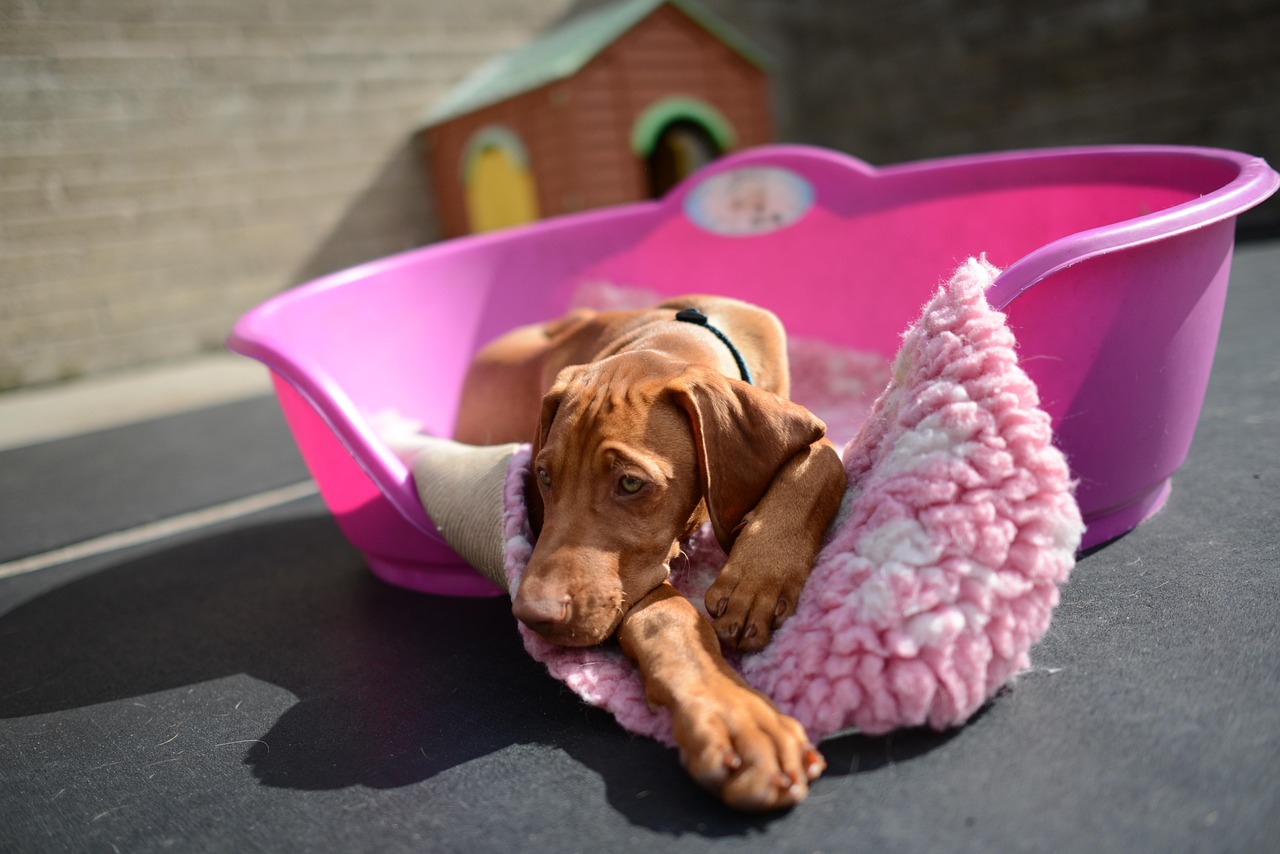
Vizsla puppies are known for their energetic and affectionate nature. These dogs require proper care and development to ensure they grow up happy and healthy. The early days of a Vizsla’s life are critical for socialization and training. Puppies typically go through several stages of development, starting from newborns to fully grown adults. Owners must pay attention to these stages and adapt their care accordingly. For instance, from birth until six weeks of age, puppies rely heavily on their mother. During this time, they learn essential behaviors from her. When they reach six weeks, proper interaction with humans and other dogs becomes vital. Engaging with your pup can instill confidence, reduce fear, and help prevent behavioral issues later. As they approach eight weeks, it’s a great time for their first vaccinations. A consistent feeding schedule with high-quality puppy food supports growth. Mental stimulation, including toys and games, fosters cognitive development. Always ensure your puppy is safe, comfortable, and feels loved during these formative months for optimal psychological health.
Physical Training for Vizsla Puppies
Physical training is crucial for Vizsla puppies, as they are an active breed. Regular exercise recommendations include daily walks, play sessions, and agility training. Begin training your puppy at an early age, as it can significantly impact their physical and mental well-being. Always start with short training sessions to keep their attention and gradually increase duration. Incorporating fun activities helps develop their strength, coordination, and intelligence. Choose activities like fetching a ball, running, or swimming to enhance their athletic abilities. Regular socialization is equally important; expose your Vizsla to different environments, sounds, and people. This strategy will promote adaptability to various situations. Classes that focus on obedience training and agility can also be beneficial, fostering a bond between you and your dog. Always remain patient and use positive reinforcement methods to encourage good behavior. A well-trained Vizsla is not only physically fit but also more comfortable in social settings. Remember, consistent and engaging physical activities are essential throughout their lives to prevent boredom and promote overall well-being.
Diet plays a significant role in the health of Vizsla puppies. Proper nutrition is paramount to support their growth and energy levels. High-quality puppy food should be carefully selected based on the puppy’s age and activity level. Consult your veterinarian for recommendations on the best diet plan. Meals should consist of a balanced mix of proteins, carbohydrates, and fats to ensure optimal development. Serving meals in smaller, more frequent portions can aid digestion and promote a healthy metabolism. Hydration is just as vital; always provide fresh water for your puppy to drink. Avoid giving your puppy human food, as it may lead to obesity or health issues. Additionally, keep an eye on treat intake, ensuring they are nutritious and not overused. Occasionally introducing different flavors will help to maintain their interest in meals. Be observant to any changes in appetite or behavior, which could indicate health problems. A strong diet combined with regular veterinary check-ups can ensure vibrant health and longevity for your Vizsla puppy.
Health Care and Regular Check-Ups
Health care for Vizsla puppies requires diligence from new owners. Regular vet visits are essential for vaccinations, check-ups, and overall wellness assessments. At around eight weeks, puppy vaccinations start, including distemper, parvovirus, and rabies. Keeping vaccination records organized is vital for easy reference. In addition to vaccinations, pup owners should schedule regular assessments to monitor weight and general health. Potential health concerns in Vizslas include hip dysplasia and eye disorders, so early detection is crucial. Regular dental care is also part of a good health regimen. Owners should consider dental chews or brushing their dog’s teeth to maintain oral hygiene. Ensure your Vizsla is protected against parasites like fleas, ticks, and worms. Discuss preventative medications with your veterinarian and follow their guidance. Maintaining a consistent health care routine enables you to track any changes in your puppy’s condition. Furthermore, staying informed about common health issues in the breed will assist in providing timely care. A proactive health approach can significantly enhance your Vizsla’s life quality and longevity.
Grooming is another essential aspect of caring for Vizsla puppies. Their short coat requires minimal maintenance but should still be regularly brushed. A weekly brushing removes loose hair and dirt while promoting a shiny coat. Bathing should be done as needed, typically every few months or when they become particularly dirty. Always use dog-specific shampoos to avoid skin irritation. It’s equally important to trim your puppy’s nails regularly, ideally every few weeks, to prevent discomfort. Additionally, cleaning their ears weekly can help avoid infections, especially since Vizslas are prone to ear issues. Always be gentle when performing grooming tasks; make it a positive experience for your dog. Teaching them to enjoy grooming can result in easier maintenance and routine visits to a professional groomer. Building a bond with your Vizsla during these sessions helps reinforce trust and affection. Grooming can also be an excellent method for checking for unusual lumps or skin abnormalities, which can be reported to your veterinarian. Regular grooming fosters a healthy coat, a clean puppy, and strengthens the bond between you and your furry companion.
Socializing Vizsla Puppies
Socialization is crucial for Vizsla puppies as they grow and develop. Early exposure to other pets, children, and different environments can greatly affect behavior and temperament. Introduce your puppy to various people, animals, and situations in gentle, controlled settings. Experiences should be positive, allowing them to form healthy associations with new encounters. Puppy socialization classes are excellent venues for fostering positive interactions. These classes offer structured environments for young dogs to meet peers among other benefits. Attending parks, family gatherings, or neighborhood events can further enhance social skills. Ensure your puppy engages with well-adjusted, vaccinated dogs to minimize exposure to illness. Monitor these interactions closely, ready to redirect overly exuberant behavior, ensuring all experiences remain enjoyable. Socializing should be gradual and ongoing throughout their life, helping to reduce anxiety and increasing confidence. Positive experiences earlier can lead to a well-rounded adult dog that behaves well in diverse situations. Make the effort to provide varied experiences as it creates a happy, adaptable, and well-mannered companion that thrives in various situations.
Training your Vizsla puppy requires patience, consistency, and love. Positive reinforcement approaches work best with this eager-to-please breed. Start with basic commands like sit, stay, and come, using treats or praise as rewards. Short, enjoyable training sessions help maintain their engagement and focus. Gradually increase the complexity of commands as they learn and become more obedient. Consistency is key; everyone in the household should use the same commands and training methods. Integrating training with daily routines fosters learning in a natural manner. Be patient with mistakes, as all puppies learn at different paces. Incorporate fun into training by using games that reinforce commands and reward participation. Regularly practicing commands will strengthen your bond and ensure your Vizsla displays good behavior. When encountering challenges, consider enlisting a professional trainer who specializes in positive reinforcement techniques. Early leash training is also essential for a well-mannered walking experience. Remember to maintain a gentle approach, creating a safe learning environment for your puppy. Investing time in training and bonding sets the foundation for a well-adjusted adult dog.
The Importance of Mental Stimulation
Mental stimulation is vital for Vizsla puppies to prevent boredom and encourage healthy behaviors. Their intelligence and energy levels require careful engagement to keep them happy. Activities like puzzle toys, scent games, and interactive play keep their minds sharp and focused. Regular mental challenges can enhance cognitive development while providing necessary stimulation. Introduce games like hide-and-seek and fetch, which also incorporate physical exercise. Engaging in nose-work activities can further strengthen their natural instincts. Always be exploratory in trying new games or toys that can maintain their interest. Changes in routine prevent monotony, enhancing their excitement about playtime. Enrichment through mental challenges can lead to fewer behavioral issues and calmness at home. Incorporating training exercises that require focus can also be beneficial, as it teaches discipline. Keep an eye on their behavior; signs of boredom could indicate the need for different activities. Engaging in puppy playdates allows for developmental interactions with other dogs, further stimulating their minds in a social setting. Balancing physical and mental activities creates a well-rounded and satisfied Vizsla companion, essential for your puppy’s overall happiness and well-being.