
Common Myths About Cats and Their Drinking Habits
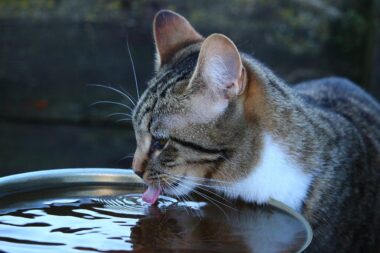
Many people believe that cats share similar drinking habits with dogs, assuming they drink large volumes of water daily. However, this is a misconception. Cats are evolved from desert-dwelling ancestors, leading to their effective water conservation methods. This means they often require less water than other pets. Surprisingly, many cats get a significant portion of their hydration from their food, especially if they eat wet food. It’s essential to provide fresh water to encourage proper hydration, but understand that cats may not drink as much as we expect.
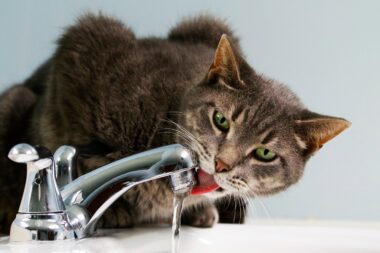
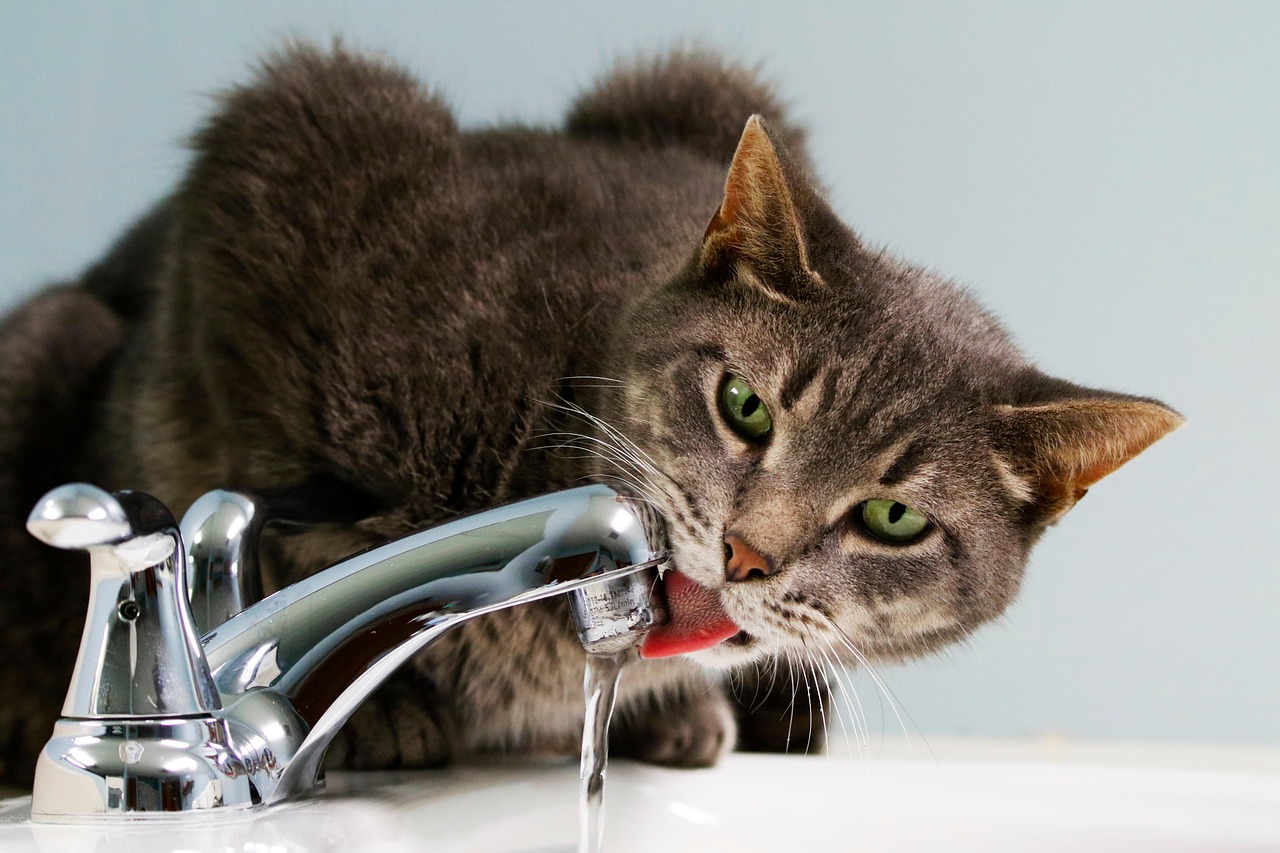
A prevalent myth is that all cats dislike drinking from a bowl. While some may be picky about their drinking habits, many prefer moving water. Cats are instinctively drawn to running water, as it may be fresher and safer from contaminants. Taking this into account, pet owners might consider using pet water fountains to entice their feline friends to drink more frequently. Observing your cat’s preferences can also guide you towards offering them a range of containers and styles to see what they prefer the most.
Another common belief is that cats do not need additional water when consuming wet food. While canned food can provide moisture, it may not suffice for optimal hydration. It is still important to offer fresh water, as they need a consistent supply for various bodily functions. Without sufficient water intake, cats can develop urinary tract issues or kidney problems. Therefore, ensure your cat has access to clean water at all times and encourage drinking habits through play or offering fresh water regularly.
Hydration Myths and Misconceptions
Many believe that all cats can hydrate effectively through dry food alone. Although it is convenient for the owner, this type of diet may lead to dehydration over time for some cats. Dry kibble lacks moisture, meaning that felines eating it need additional water sources. It’s crucial to recognize that not all felines will seek out water, especially if they are not accustomed to drinking enough. Providing proper hydration is essential, regardless of diet type, offering various water sources can play a vital role.
Some think that older cats require less water than younger ones. Contrary to this assumption, older cats may experience health issues that heighten their need for hydration. Age-related changes can affect their ability to conserve moisture effectively, meaning that they are more prone to dehydration. Monitoring water intake becomes vital as they age, and ensuring they have access to multiple fresh water sources can encourage better drinking habits. Understanding their specific health needs and behavioral changes can help address their drinking concerns.
Understanding Cat Preferences
Many believe cats are disinterested in different types of water. However, feline preferences can vary widely. Some might enjoy filtered water over tap water, or even prefer room-temperature fluids instead of cold ones. Understanding and accommodating these preferences can help increase overall water intake, which is crucial for their health. Ensuring your cat has various options and observing their choices is the key to promoting healthy drinking habits and preventing urinary tract diseases, which are common in felines.
Another common misconception is that cats don’t need as much water as dogs. Although cats are designed to thrive with less water, this doesn’t mean they can go without it entirely. Each cat has unique hydration needs based on size, diet, health status, and activity levels. Thus, it’s important to monitor individual drinking behavior and adjust care accordingly. Make a habit of regularly checking water levels and freshness, encouraging your cat to drink when necessary. A healthy hydration level is essential to overall health.
To summarize, understanding the myths surrounding cats and their drinking habits is crucial for pet owners. While it’s true that cats often require less water than dogs, this does not mean they can be overlooked. Providing ample hydration options, observing individual preferences, and addressing potential health issues are essential components to ensuring a cat’s well-being. Understanding the unique drinking habits of cats can make a significant impact on their overall health, so investing time in hydration methods is worth your consideration.