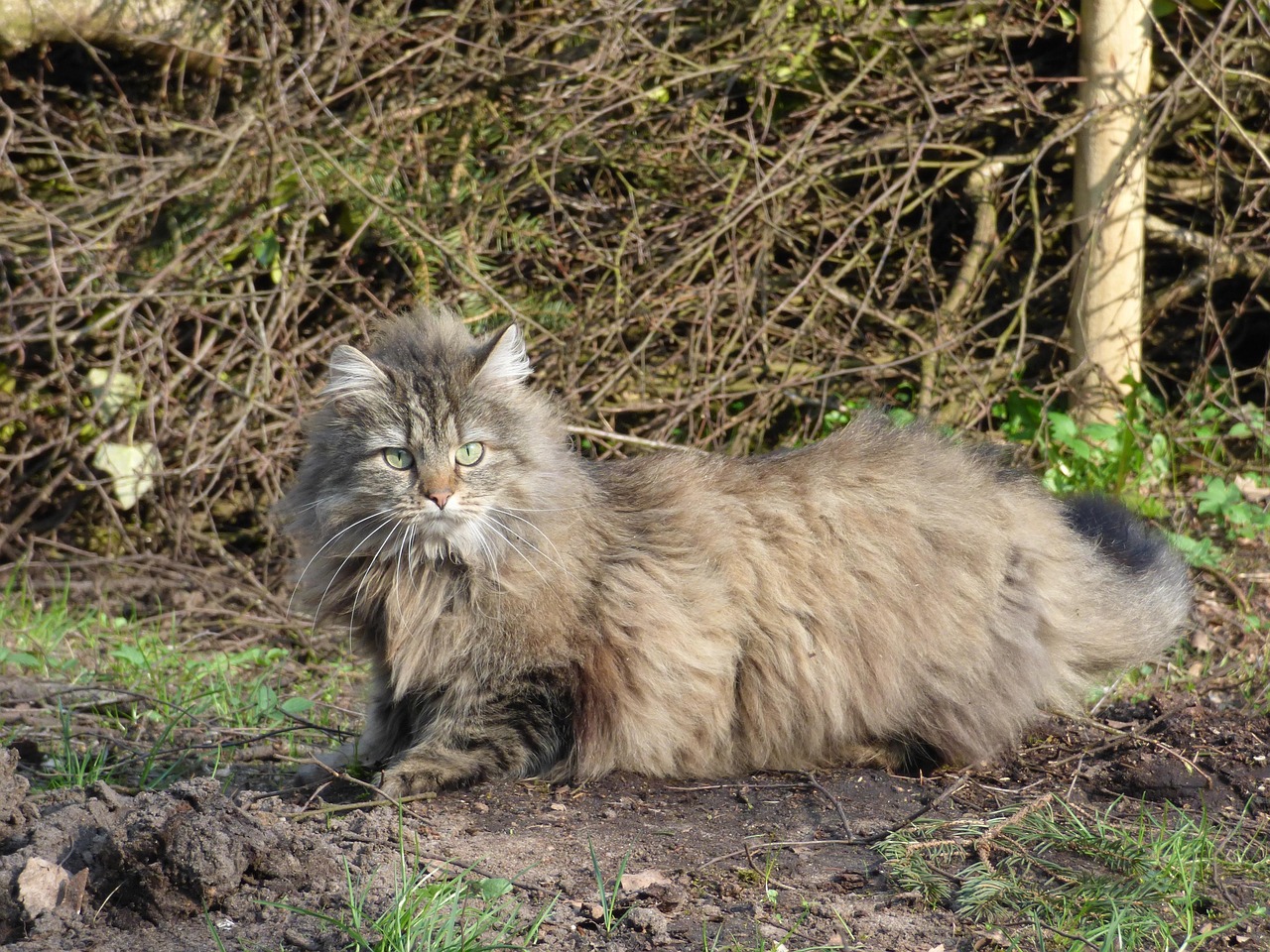

Feeding Your Norwegian Forest Cat: What You Need to Know
The Norwegian Forest Cat is a large and friendly breed, and it requires a specifically tailored diet for its health. Providing the right nutrition involves a combination of factors, including age, weight, activity level, and health condition. Because these cats have thick fur and a strong body, they will need a balanced diet rich in proteins and fats. It’s crucial to select high-quality cat food that meets these dietary requirements. Look for labels indicating that the food is suitable for large breeds or specifically formulated for Norwegian Forest Cats. Dry kibble and wet food both have their benefits, and a mix can help maintain hydration and dental health. Make sure the food includes essential fatty acids and high-quality protein sources. You may also wish to consult with your veterinarian to adopt a feeding strategy tailored to your cat’s specific needs including serving sizes. An interactive feeding approach can also stimulate your cat. Additionally, always monitor your cat’s weight to prevent obesity, which could later cause various health issues.
Feeding guidelines recommend adjusting portion sizes as your cat ages and its activity level changes. Norwegian Forest Cats are more energetic than some breeds, but they also enjoy lounging. Thus, it’s essential to adapt feeding routines to maintain an ideal weight. Too much food can lead to health problems, such as diabetes or heart disease. Use your cat’s weight and physical condition as a guide, adjusting food intake as required. Keeping fresh water available at all times is also vital; hydration is essential for their overall health and wellness. Consider using a cat water fountain, as many cats prefer drinking moving water. This can also encourage them to drink more throughout the day. If you’re transitioning to a new food, do it gradually; this approach will help avoid digestive issues. Start by mixing small amounts of the new food with the old and slowly increase the new food ratio over a week. If you notice any adverse reactions, consult your veterinarian. Overall, maintaining a balanced, nutritious diet is key to keeping your Norwegian Forest Cat happy and healthy throughout its life.
Understanding Nutritional Needs
A Norwegian Forest Cat’s diet must include adequate protein as they are natural hunters. Look for foods with meat as the first ingredient, ensuring it meets their protein needs. Cats are obligate carnivores, meaning they need animal-derived nutrients not found in plant matter. Essential amino acids, like taurine, are crucial for your cat’s heart and eye health. Fats are also necessary for energy and for maintaining a healthy coat and skin. Omega-3 and Omega-6 fatty acids are beneficial for these aspects. Commercially available cat foods often contain these nutrients, but it’s essential to read the ingredient list thoroughly. Additionally, fiber can help with digestion; foods with a moderate carbohydrate content that include wholesome fibers from vegetables can contribute to overall health. Always check that the product is AAFCO certified, ensuring it meets industry standards for cat food. Consulting your veterinarian regularly to ensure your cat’s nutritional requirements are being met as they grow, helps you make better dietary choices. Giving treats in moderation can complement their feeding routine but avoid human food to prevent tummy troubles or toxic reactions.
The health of your Norwegian Forest Cat can greatly improve through its diet, impacting its quality of life significantly. It’s essential to monitor for changes in weight or behavior; these can signal a need for dietary adjustments. Regular vet check-ups will enable you to assess your cat’s health and make informed decisions about feeding. If your cat becomes less active or starts putting on weight, you may need to reduce the calorie intake or shift to lower-calorie food options. Likewise, if they seem lethargic, this could mean they’re not getting enough energy. Maintaining proper dental hygiene through food or dental treats can also be a huge advantage, preventing dental diseases, which are common among cat breeds. You may also wish to opt for foods designed to enhance oral health, which helps mitigate plaque and tartar build-up. Additionally, providing food that encourages chewing can promote gum health. Regularly inspect your cat’s mouth to catch potential issues early. Dietary changes should always be gradual, with consistent monitoring of their response to any new food you introduce.
Potential Food Sensitivities
Like all animals, Norwegian Forest Cats can develop food sensitivities or allergies. Common allergens include grains, artificial additives, and certain proteins like chicken or beef. If you notice symptoms like vomiting, diarrhea, or skin issues, it might be time to examine their diet closely. Consider keeping a food diary noting what they consume and their reactions, which can help identify specific triggers. With a vet’s guidance, you may want to explore specialized diets, possibly limited-ingredient ones. This can assist in pinpointing troublesome ingredients effectively. Hypoallergenic or grain-free formulas may also be options, but it’s essential to consult with a veterinarian before making any switch. Regular observations are key; is there a consistent reaction after certain meals? The more details you provide to your vet, the better the diagnosis will be. Implementing a rotation diet might also assist in preventing sensitivities, as exposing cats to various proteins can help them build tolerance. Moreover, regular health check-ups can help monitor any emerging sensitivities over time.
Creating a feeding schedule for your Norwegian Forest Cat can foster good habits and make feeding times predictable. Typically, two meals per day is recommended for adult cats, spaced twelve hours apart. This resembles their natural hunting patterns, where they would consume several small meals throughout the day. Using puzzle feeders can make mealtime stimulating and provide them with mental engagement that is beneficial. These can be beneficial for reducing boredom and providing essential exercise, especially for indoor cats. For kittens, a different approach applies as they require more frequent meals, usually around three to four times a day. As your kitten grows and transitions into adulthood, gradually shift to a standard feeding regime. It is also essential to monitor the cat’s eating rate; eating too quickly may lead to regurgitation or digestive distress. In such cases, consider using slow feeders that promote better eating habits. Alongside appropriate feeding portions, adjusting your cat’s exercise routine to match its dietary needs will help maintain overall wellness. Explore interactive play that encourages your cat to exercise regularly while enhancing your bond.
Consulting with Veterinarians
Lastly, regular consultations with your veterinarian are paramount for ensuring your Norwegian Forest Cat’s dietary choices are suitable and effective. Vets can provide insights based on your cat’s unique needs due to their age, health condition, or lifestyle. Make it a habit to schedule periodic check-ups that include weight assessments and dietary discussions. They can tailor recommendations that align with changes like increased activity levels or age-related shifts. Always be prepared with questions regarding your cat’s diet, especially if you’ve noticed any changes. You can inquire about specific brands, nutrient profiles, or potential food allergies. The vet can recommend wellness strategies to improve your cat’s quality of life, including lifestyle modifications, feeding habits, or incorporating dietary supplements where necessary. It’s crucial to keep a diary of any changes in your cat’s behavior, eating habits, weight, or overall health for these check-ups. Staying proactive about your pet’s health is essential for longevity. A well-balanced diet, combined with regular veterinary visits, will keep your Norwegian Forest Cat happy and healthy for years to come.