
How to Handle Distractions During Hunting Dog Training
Training a hunting dog can be particularly challenging due to various distractions present in the environment. For instance, scents, sounds, and movements can draw their attention away from their trainer. To effectively manage these distractions, consistency in training routines is essential. Establishing a controlled environment during initial training sessions can help minimize the impact of unpredictable stimuli. Begin by using a quiet space, gradually introducing elements that mimic hunting scenarios, such as decoys or recordings of wildlife sounds. Remember that a well-trained dog will come to understand what to focus on and when to redirect their attention. Incorporating rewards for staying focused aids in building this understanding. Techniques like using high-value treats or favorite toys can serve as great motivators. Consistently rewarding your dog when they respond correctly reinforces their training and creates positive associations with staying focused. Practicing basic commands in distracting environments also helps strengthen their focus during hunting training. Being patient and persistent is crucial, allowing the dog to learn gradually. With time, they will improve their ability to ignore distractions and enhance their hunting skills.
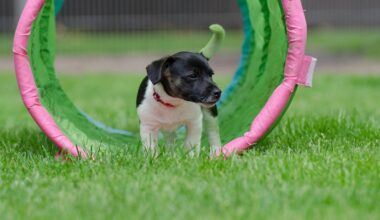
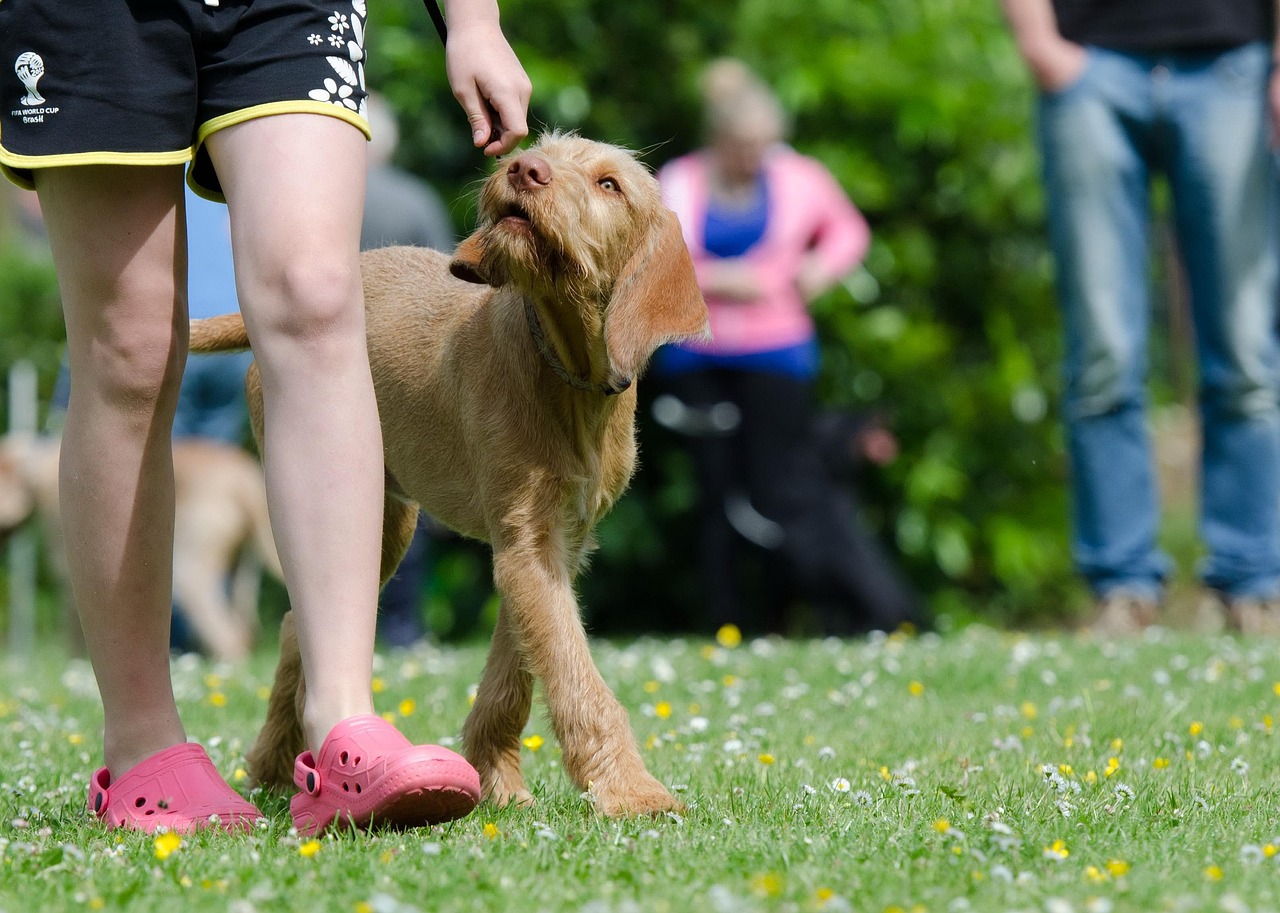
Another effective method to manage distractions during hunting dog training is to utilize leash controls. Walking your dog on a leash not only keeps them close but also provides a direct means of redirecting their attention when they become distracted. A sturdy, comfortable leash gives you more control over your dog’s movements. Use short training sessions at first to gauge your dog’s responsiveness to various stimuli in the environment. Make sure that your leash allows enough freedom for your dog to explore comfortably yet provides enough control when needed. Timing during training is vital, so promptly correct any unwanted behaviors while reinforcing good responses. You can do this by gently guiding their attention back to you or using a command they understand. Incorporating obstacle courses can also effectively simulate hunting scenarios, teaching them to navigate distractions. Progressing to more open environments while maintaining leash control helps them build adaptability skills. Always end training sessions positively, regardless of distractions encountered, as this fosters motivation and enthusiasm. Remember that dogs learn at different paces, so patience is paramount.
Utilize Focused Training Techniques
Utilizing focused training techniques can significantly enhance a hunting dog’s ability to manage distractions. One way to achieve this is through the practice of ‘place training’, which encourages dogs to maintain their composure in designated spots. By teaching your dog to stay in a specific area, you help instill the discipline necessary to remain calm despite surrounding distractions. Delivering commands like ‘stay’ or ‘place’ while gradually increasing external stimuli conditions your dog to work effectively under varying levels of distraction. Additionally, the use of distance training exercises can be beneficial. Start by placing your dog several feet away from you, then fetch their focus back with a coaxing gesture or command. This exercise strengthens their association between your commands and necessary actions despite external distractions. Incorporating games like fetch or hide-and-seek can also reinforce focus while making training enjoyable and engaging. Gradually reduce the structure of the training sessions to promote independent focus skills in your dog. Always reinforce successful training moments with treats or verbal praise for building their confidence.
Another technique for managing distractions involves desensitization and counter-conditioning. This method aims at helping your dog develop a reaction that is more favorable towards potential distractions. For instance, if your dog tends to react to passing birds or animals, gradually expose them to those distractions, starting from a distance where they feel comfortable. Reward them with treats and praise when they remain calm. This slowly builds their tolerance and reduces the likelihood of distracted behavior during real hunting scenarios. Ensure to increase the challenge incrementally, progressively moving closer to the distractions while maintaining rewards for calm behavior. Patience is key—the process may take time, but the results are worth it. Practicing this alongside distractions with varying intensity helps them learn to gauge their reactions. Also, utilizing puzzle toys or engaging games during downtimes keeps their mind sharp and reduces potential overstimulation. An excited dog may struggle to focus, so keeping a structured routine can help maintain a balanced state of mind. Understanding your dog’s unique triggers is crucial, enabling tailored distractions that will prepare them for actual hunting expeditions.
Building Confidence Through Structure
Providing a structured environment is fundamental in managing distractions during hunting dog training. Dogs thrive on routine, and having predictable training sessions instills a sense of confidence and security. Consistency in commands, sessions duration, and location significantly contributes to your dog’s learning process. For example, always starting sessions with a basic command like ‘sit’ sets an expected tone for the activity. Maintaining this structure allows them to become familiar with their tasks, thus minimizing the potential for distraction. Furthermore, setting specific goals for each training session ensures your dog knows what is expected. Active engagement during training, through maintaining eye contact and consistent vocal commands, reinforces their focus. You can amp up the challenge gradually, introducing more distractions as they progress, ensuring that training remains engaging. Celebrate small successes and systematically raise the difficulty level. By distinguishing dry runs from full training sessions, your dog will learn to switch between a relaxed mindset and an alert one. This method creates a clear distinction between leisure and work, ultimately enhancing their adaptability to hunting environments.
Another vital factor in managing distractions is ensuring your dog is physically fit and mentally stimulated. A well-exercised dog is less likely to succumb to distractions as they usually have excess energy. Incorporating daily exercise routines not only promotes health but also improves focus during training. Activities such as running, swimming, or agility training are invaluable in expending energy effectively. Furthermore, mental stimulation through puzzle games or obedience drills prevents boredom, allowing your dog to concentrate better during training. Engaging their minds holistically translates to them being more teachable. Additionally, understand your dog’s unique traits and preferences to tailor exercise routines accordingly. High-energy breeds may require more vigorous exercises compared to others. On the other hand, calm breeds benefit from consistent walking sessions to keep them engaged. Recognize that healthy exercise can also positively affect their emotional state. Offering a mix of physical and mental stimulation in their daily routine ensures they maintain a balanced demeanor. Thus, a well-conditioned dog not only learns quicker but is also more adept at managing distractions during actual hunting scenarios.
Final Tips for Effective Training
In conclusion, training a hunting dog to manage distractions effectively is both an art and a science. Employing a combination of strategies, including focused training, desensitization, and structured routines, is essential. As you progress with training, remember to assess the effectiveness of your approaches continually. Awareness of your dog’s unique behavior allows for tailored solutions to distractions they may face. Keeping training sessions short, fun, and filled with rewards maintains enthusiasm without overwhelming your dog. Always end each session on a positive note, reinforcing their accomplishments and the bond between you two. Patience and consistency are your greatest allies as they navigate distractions in the training environment. Eventually, as your dog learns to hone their focus despite diversions, you’ll observe significant improvements in their skills. Regular socialization with other dogs and experiences outdoors will also further enhance their adaptability in distracting environments. By considering their mental and physical needs, you pave the way for successful hunting experiences. Ultimately, your patience will pay off, and soon your dog will become the hunting companion you’ve always wanted.
By implementing these principles and remaining diligent in your training efforts, you’ll be well on your way to achieving great results. Training a hunting dog to manage distractions can feel daunting; however, breaking it down into manageable parts makes it easier. Regular practice coupled with positive reinforcement can produce remarkably focused pets. Never lose sight of the joy of training together, as every moment spent working with your dog strengthens your bond.