
Incorporating Superfoods into Dog Diets
Dogs are more than just pets; they are beloved family members. Understanding the importance of nutrition for dogs is vital for ensuring their health and longevity. Over the years, dog food has evolved greatly, with many pet owners now looking to incorporate superfoods into their dogs’ diets. By integrating superfoods, you are enhancing your dog’s overall diet with nutrient-rich ingredients. Superfoods provide essential vitamins, minerals, and antioxidants that may significantly improve health. Foods such as blueberries, kale, and sweet potatoes not only offer delicious flavors but also support your dog’s immune system and boost energy levels. Other examples include salmon, which is rich in omega-3 fatty acids, beneficial for skin and coat health. Furthermore, superfoods also aid in digestion and enhance cognitive functions. It is crucial to consult a veterinarian before making significant changes to your dog’s diet. Many factors influence what may be best for your dog, including age, size, and breed. This careful consideration ensures that your pet receives the right nutrients for optimal health. Nutrition plays a critical role in your dog’s well-being, so choosing wisely can foster a happy, healthy life for them.
Understanding Superfoods
Superfoods are defined as nutrient-dense foods that provide health benefits beyond basic nutrition. Many are found in nature and are packed with vitamins, minerals, and antioxidants. Ingredients such as spirulina, chia seeds, and pumpkin are considered superfoods due to their remarkable health benefits. Chia seeds are an excellent source of omega-3 fatty acids, promoting heart health and improved digestion. Pumpkin, rich in fiber, helps maintain a healthy weight, while also benefiting your dog’s digestion by aiding in bowel movements. Additionally, these superfoods contain useful bioactive compounds that support various bodily functions. When considering the addition of superfoods to your dog’s diet, it is important to choose high-quality sources. Opt for organic and non-GMO ingredients when possible, as they are less likely to contain harmful pesticides or chemicals. Carefully monitor how your dog reacts to new foods, considering any allergies or sensitivities. Gradually introduce superfoods into their meals to avoid digestive upset. By being intentional and observant, you can ensure a smooth transition and uncover new favorites. Incorporating superfoods can offer significant health advantages, leading to a happier, healthier dog overall.
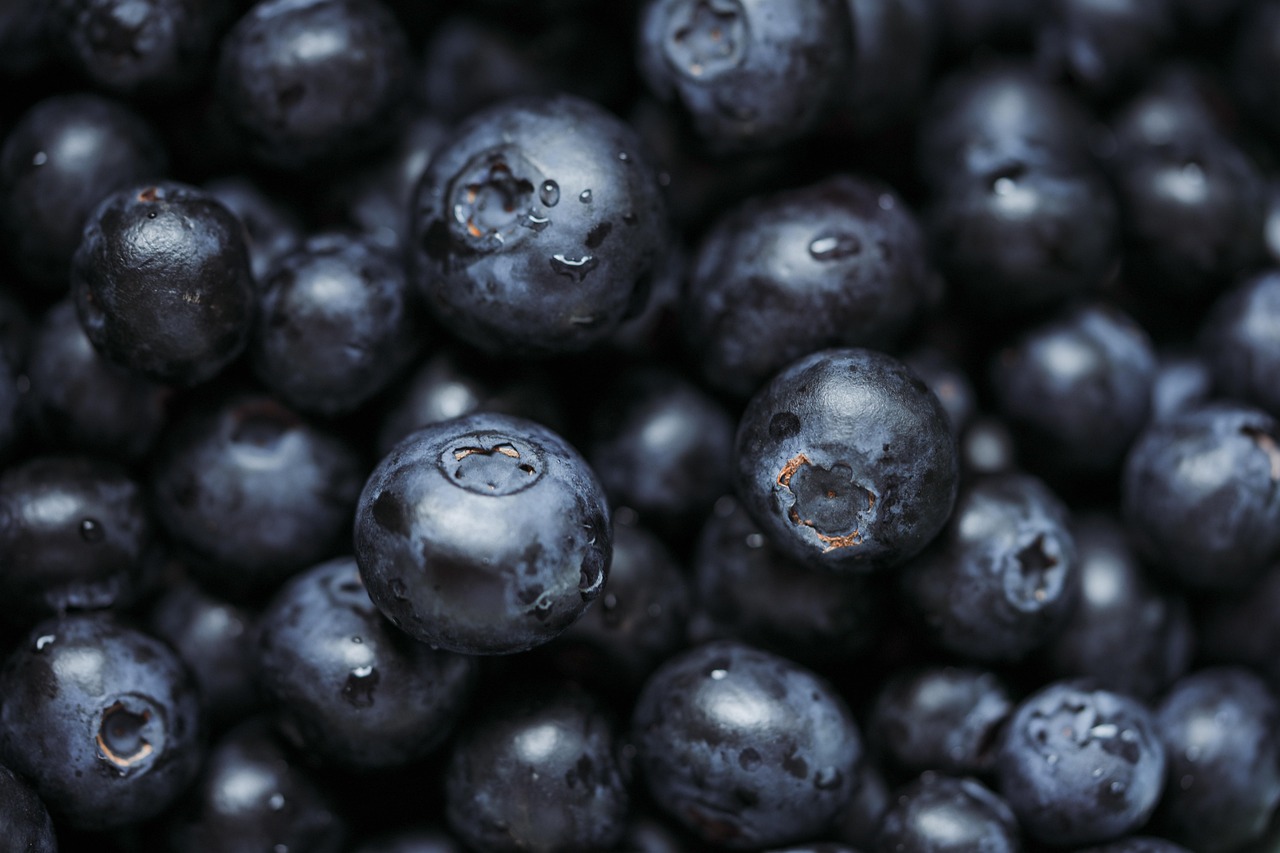
Integrating superfoods into homemade dog recipes is becoming increasingly popular among pet owners. Making dog food at home allows you to control the quality and nutritional content, ensuring your dog receives the best ingredients. Many recipes incorporate superfoods such as quinoa, spinach, and blueberries, which are relatively easy to prepare. Quinoa is a great source of protein and fiber, supporting muscle health and digestion. Spinach provides essential vitamins and antioxidants, combating inflammation and promoting overall health. Blueberries are not only delicious but also rich in antioxidants, which help protect cells from damage. When creating homemade dog food, it is essential to maintain balance in nutrients, ensuring your dog receives an appropriate mix of protein, carbohydrates, and fats. Utilizing superfoods can enhance your recipes, making them both nutritious and appetizing. Consider rotating different superfoods to keep meals exciting and provide a variety of nutrients. Always consult with a veterinarian or a pet nutritionist to develop a well-balanced home recipe. Superfood incorporation into homemade meals can lead to fulfilling and enjoyable eating experiences for your furry friend, providing them with essential nutrients along the way.
Benefits of Common Superfoods
The common superfoods that are beneficial for dogs come with numerous health advantages. Kale is one such superfood, noted for its high levels of vitamins A, C, and K. This leafy green supports healthy bones and immune function. Additionally, kale is a powerful antioxidant, helping combat oxidative stress in your dog’s body. The inclusion of seaweed is another beneficial addition, providing iodine, essential for proper thyroid function. Moreover, seaweed has anti-inflammatory properties that can help manage arthritis or joint pain in older dogs. Blueberries serve as an excellent treat by supporting cognitive health and enhancing memory due to their high content of antioxidants. They can also play a role in reducing urinary tract infections. Every superfood has its unique properties and advantages, making variety essential. When looking to boost your dog’s health through nutrition, consider mixing and matching different superfoods to create a well-rounded diet. Ensure that any superfoods added are suitable for your dog’s dietary requirements before introducing them. Emphasizing these superfoods can lead to significant improvements in overall health, energy, and vitality.
When considering integrating superfoods into your dog’s diet, the method of incorporation is notable. You can add these ingredients to commercial dog food or prepare them in homemade recipes. When adding them to store-bought food, consider starting with small amounts and gradually increasing the portion. This approach helps gauge your dog’s response to new ingredients. For example, when incorporating sweet potatoes, a popular superfood, you can mix small pieces into their regular kibble; the taste enhances the appeal. Always ensure these additions do not replace balanced nutrition, with adherence to proper proportions of nutrients. Some dogs may have allergies or sensitivities to certain superfoods; closely monitor their health and adjust accordingly. Incorporation should be gradual to prevent digestion issues or discomfort. Use superfoods as engaging treats during training sessions for motivation and reward. Many dogs respond well to the extra flavors and textures that superfoods introduce to their diet. Additionally, it can make mealtime enjoyable and enriching for your pet. As with any dietary changes, consistency and observation are key to ensuring a smooth transition for your furry friend.
Conclusion on Superfood Benefits
In conclusion, incorporating superfoods into your dog’s diet offers numerous health benefits that enhance their overall well-being. By focusing on nutrient-dense ingredients, you can significantly improve your dog’s health and energy levels. With a plethora of superfoods available, customizing a diet becomes enjoyable and tailored to your pet’s preferences. However, careful consideration and guidance are essential when introducing any new ingredient. Always prioritize a balanced diet and ensure that any changes made align with your dog’s specific dietary needs. Consulting with a veterinarian can help navigate what superfoods may be appropriate based on factors such as age, breed, weight, and health status. By being informed and observant, you can create a nourishing meal plan that incorporates superfoods effectively. Furthermore, incorporating variety keeps mealtime exciting and appetizing for your furry friends while ensuring they receive a broad spectrum of nutrients. The impact of superfoods on your dog’s health can be remarkable, leading to improved vitality, longevity, and overall happiness. Take the time to explore, learn, and experiment with these beneficial ingredients for a positive approach to canine nutrition.
Lastly, maintaining an ongoing dialogue with your veterinarian is crucial when incorporating superfoods into your dog’s regimen. Understanding your dog’s unique health needs is essential because not every ingredient will suit every pet. For instance, while blueberries are generally safe, some dogs may have individual reactions that warrant caution. Observing changes in behavior, digestion, or skin condition provides insight into how well they’re tolerating new foods. Prepare for adjustments and adaptations based on your dog’s feedback. Besides integrating superfoods, consider other aspects of health management, such as dental care and regular exercise, to further enhance their well-being. Both diet and lifestyle play vital roles in a happy life. Also, be mindful of sourcing superfoods carefully; quality matters immensely. Organic, high-quality options free of additives offer the best health benefits. The growing interest in superfoods for canine nutrition reflects a broader understanding of pet health. With careful, planned integration of superfoods paired with fundamental dietary knowledge, you can foster a nourishing environment for your dog. Positive health outcomes will follow, ensuring that your pet thrives and flourishes in their daily life.
Resources and Further Reading
For those looking to deepen their understanding of superfoods and canine nutrition, several valuable resources are available. Books, blogs, and webinars authored by pet nutritionists can provide significant insights into dog dietary needs. Many trustworthy websites offer recipes and advice based on scientific research. Additionally, numerous online communities exist where pet owners share their experiences with superfoods, fostering a collaborative learning atmosphere. Social media platforms also showcase success stories and tips on incorporating healthy foods into dog diets. Consultations with professionals or nutritionists specializing in pet health are beneficial for personalized guidance. Online forums allow straightforward discussions, enhancing collective knowledge. Consider joining a telehealth service that connects you to veterinary specialists to ask about specific dietary needs. Exploring fresh ideas and innovations related to dog nutrition can keep you well informed. From nutritional workshops to local seminars, engaging with educational opportunities keeps pet owners updated on the latest trends. Being informed is crucial for making wise decisions on your dog’s nutrition. Always prioritize your dog’s health and happiness in your pursuit of knowledge regarding superfoods.