
Recognizing When Your Cat Wants to Play Versus When It’s Training Time
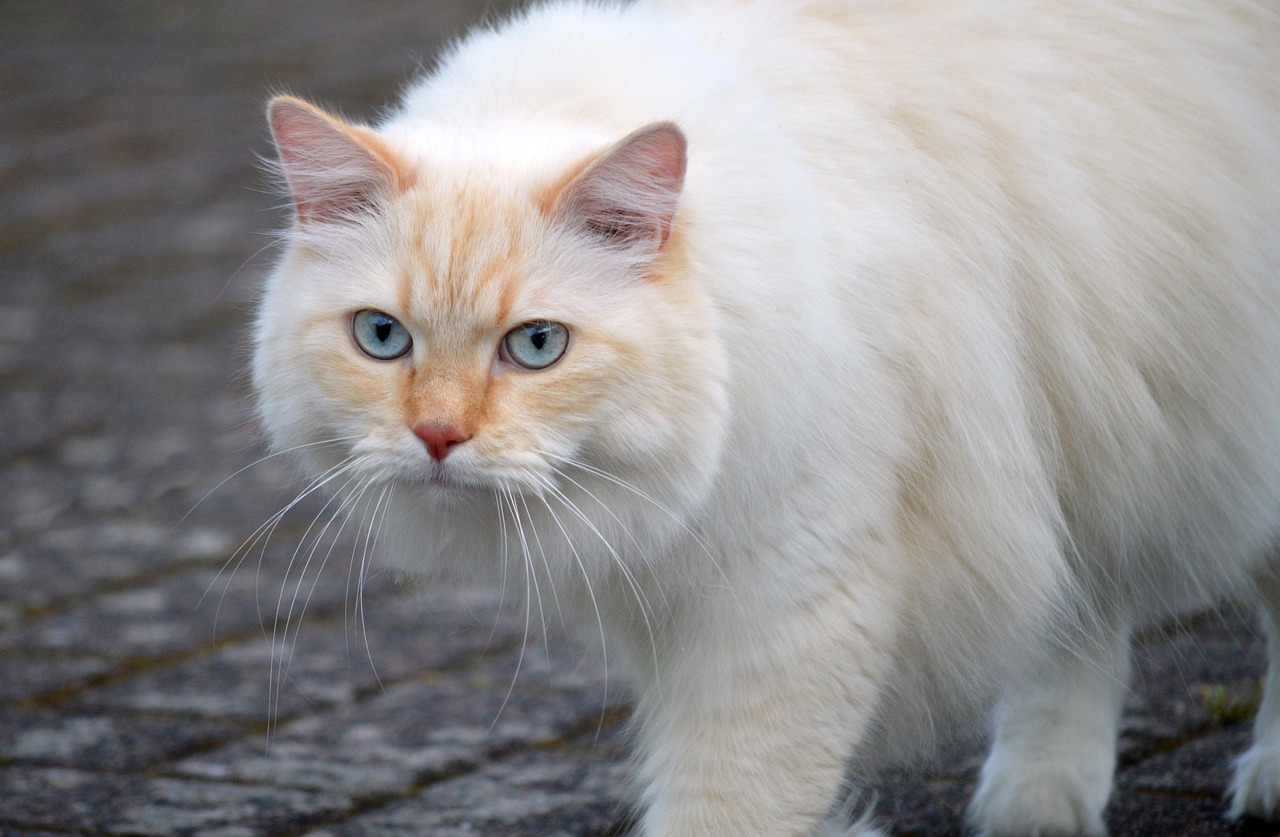
Understanding cat body language is crucial for effective training. Cats communicate primarily through their body posture, facial expressions, and vocalizations. It is essential to differentiate between playful behavior and training readiness. Generally, playful cats exhibit characteristics like a relaxed posture, playful sounds, and energetic movements. They may pounce and chase imaginary prey, indicating they want to engage in fun activities. Conversely, a cat ready for training displays intent focus towards the trainer. Such cats will typically maintain a relaxed but attentive posture, making direct eye contact. Signs of discomfort such as tail flicking or flattened ears need careful attention, signaling that the cat may not be in the mood to train. Another sign of a playful cat is its spontaneous bursts of energy followed by moments of stillness. Cats express enthusiasm through quick movements, including dashing around. To facilitate effective communication, observe these behaviors closely and adapt your training sessions accordingly. By recognizing these distinct body language cues, you can better engage with your feline and create a positive training atmosphere that also incorporates ample playtime.
In addition to observing physical cues, it’s essential to listen to your cat’s vocalizations. Each sound cats make carries different meanings, providing insight into their current mood. For example, a content cat may emit soft purring sounds, indicating relaxation and comfort. Alternatively, abrupt meows or yowls can indicate frustration or desire for playtime. Recognizing these vocal signals alongside body language helps in deciding the right moment for training. Also, timing your training sessions with their natural routine allows for the best chances of success. Cats thrive on consistency, so training them during less active hours can yield better results as they are more receptive. Moreover, keeping training sessions short—ideally around five to ten minutes—will help retain your cat’s attention. Cats have shorter attention spans than dogs and may become easily bored if sessions are prolonged. Use enticing treats and toys to stimulate engagement, tailoring training rewards to your cat’s preferences. This approach not only encourages learning but also reinforces the bond between you and your furry friend during both training and playtime.
Creating an Engaging Training Environment
Creating an encouraging environment is paramount when training your cat. Designate a specific area for sessions, minimizing distractions and interruptions. A quiet corner with minimal foot traffic allows your cat to focus better. Additionally, ensure the area is familiar and comfortable for your pet as they will perform better in a relaxed setting. Before starting, engage your cat through some play to build excitement. Utilize various toys to create a dynamic scene. Cats naturally possess hunting instincts, and mimicking prey-like movements can help pique their interest. Consider using treat-dispensing toys as rewards during training. This encourages engagement and provides reinforcement, enhancing their learning. Furthermore, ensure that all training tools, such as clickers or toys, are readily accessible to maintain momentum during sessions. Balancing playtime with training allows for a well-rounded experience, ensuring your cat doesn’t feel overwhelmed. Ultimately, making the training process enjoyable significantly increases the likelihood of your cat participating actively. By creating a specially tailored environment, your cat will associate positive experiences with both training and play.
Establishing a specific training routine is beneficial to your cat’s learning process. Consistency reinforces learning by allowing your cat to anticipate when training occurs. Most cats thrive on regular schedules, and repeating this routine helps acclimate them to the training environment. Choose particular times during the day when your cat is usually more active, as they are likelier to engage thoroughly. Morning or early evening sessions often work best for most feline companions. Make sure to prepare for each training session by gathering necessary items in advance. This includes treats, toys, and any other training aids. Provide incentives that resonate with your cat’s preferences. Experiment with various treats to discover what captures their attention most effectively. Incorporate different commands, tasks, or tricks over time to diversify sessions. Another crucial aspect is to remain patient and maintain a calm demeanor during training. Some cats take longer to understand specific commands, and research points to consistency before any real progress can be observed. A stable environment and methodical approach will enable effective training while capitalizing on your cat’s playful nature.
Understanding Your Cat’s Mood and Energy Levels
Recognizing your cat’s mood and energy levels is vital for effective training. Monitoring your cat’s overall health helps in understanding their behavior patterns. Various internal and external factors can influence your cat’s mood, such as noise levels, environmental changes, or recent medical issues. A cat stressed or distracted by external noise will not be receptive to training. Ensure that the training environment is calm, eliminating any loud sounds or disruptions. It is also advisable to take note of your feline’s body language for signs of lethargy or inactivity. Cats may also experience off days, and understanding that will help you manage training expectations. Encouraging breaks during training sessions can promote engagement; even shorter but more frequent sessions are beneficial. Watch your cat’s responses closely after learning new things—celebrating successes reassures them during training. This encouragement fosters a sense of accomplishment while helping them understand their actions. Keeping track of your cat’s moods ensures that you adjust training objectives accordingly, making it less stressful and more enjoyable for both parties.
In addition to monitoring moods, reinforcing positive behavior is essential when training. Cats respond well to positive reinforcement through treats or praise. This approach not only affirms desired behaviors but constructs a more amicable connection between you and your cat. Understanding the timing of the response is equally crucial; rewards should be provided immediately after a correct behavior to clearly correlate the action with the reward. Many owners mistakenly wait too long, leading to confusion. It can also be beneficial to increase training rewards gradually as your cat achieves different milestones. Use more enticing rewards, such as a favorite treat, for particularly challenging commands. This strategy keeps your cat motivated and engaged throughout the learning process. Adjusting the difficulty level of tasks is vital to challenge, yet not overwhelm your cat. Finally, always have fun during the training sessions. Bringing joy into this learning time will encourage your cat to participate willingly. With patience, encouragement, and understanding, you’ll be able to establish a strong training bond with your feline companion.
Conclusion: Balancing Play and Training
In conclusion, it is essential to balance play and training to engage your cat effectively. A happy and well-adjusted feline requires time for both mental stimulation and activity. You must ensure to devote time for your cat to unwind and explore their playful nature. Design fun and interactive games that stimulate your cat’s instincts, such as hide and seek with toys or climbing challenges. These activities can strengthen their confidence and improve overall behavior. Simultaneously, ensure that the training aspect is consistently present. This encompasses a variety of commands and life skills, like litter box training or proper interaction with humans. Striking a balance enables a richer and healthier environment for both play and training. Always take note of feedback from your cat during activities; their comfort and willingness to engage will guide you in tailoring future sessions. As a result, the bond between you and your feline companion strengthens over time. By blending both training and play dynamically, you empower your pet to learn while also indulging in their natural instincts. Ultimately, this enriching experience brings immense satisfaction to both you and your cherished cat.
Cat training is a rewarding journey, especially when we recognize the nuances of their body language and behaviors. A successful balance between play and training leads not only to effective learning but also strengthens the bond between you and your furry companion. By observing your cat’s cues, vocalizations, mood, and energy levels, you can adapt training techniques that resonate with them and create memorable experiences. Every cat is unique, and understanding their individual needs is vital for success. Frequent positive reinforcements, short engaging sessions, and a nurturing environment will create an atmosphere of trust and anticipation. Cats thrive on routine, so helping them adjust to a consistent schedule equips them for effective learning. By incorporating play into the training regimen while respecting your cat’s limits, you can ensure delightful interactions. Ultimately, patience, understanding, and adaptability are key factors in mastering effective cat training techniques. As you develop this skill, your ability to recognize when your cat is ready to play versus when it’s time to practice commands will greatly enhance the training process, making it enjoyable for both of you.