
Common Puppy Nutrition Mistakes and How to Avoid Them
Nourishing a puppy correctly is crucial for its development. Many owners unknowingly make mistakes when it comes to puppy nutrition, which can lead to serious health issues. For example, feeding inappropriate food can result in neither growth nor health. High-quality commercial puppy foods are an excellent option as they are specifically formulated to meet the nutritional requirements puppies have. Understanding the right balance of protein, fats, and carbohydrates ensures puppies thrive during their formative months. Owners should avoid relying purely on human food as it often lacks the essential nutrients needed. Additionally, consider avoiding dietary changes abruptly; instead, transition gradually to prevent stomach upset. Consulting with a veterinarian can provide personalized recommendations based on breed and age. Puppies also need to be fed multiple small meals a day to maintain energy levels, rather than large, infrequent feedings. Remember to confirm the food is appropriate for the specific puppy age and size. This understanding will contribute to healthy development, strong bones, and a hefty immune system. By committing to proper research and understanding of puppy nutrition, mistakes can be largely avoided.
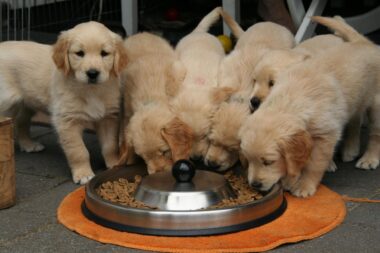
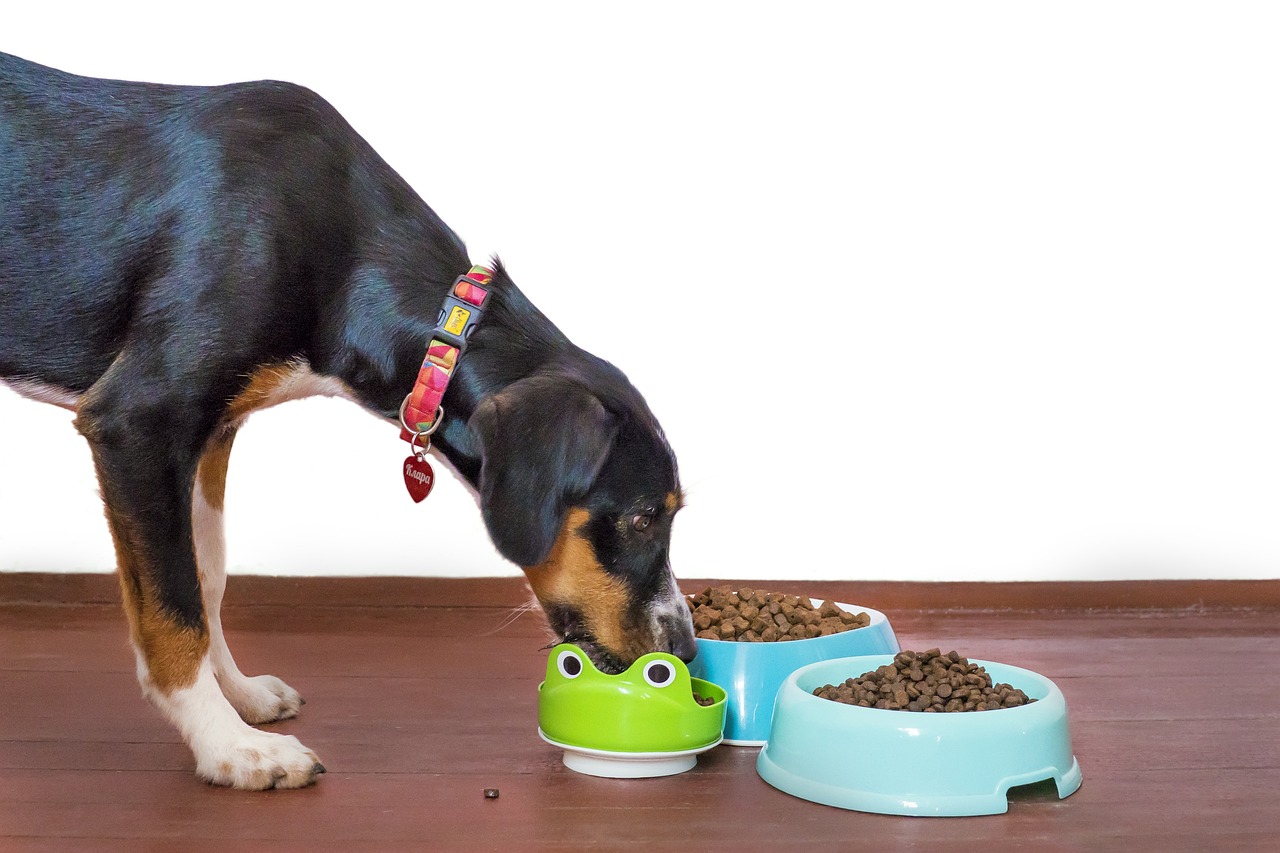
Puppies are known for their boundless energy and playfulness, but proper nutrition is vital to fuel this exuberance. One common mistake is assuming that adult dog food is suitable for puppies. Unlike adult formulas, puppy food contains higher levels of protein and fat, necessary for growth and energy. Adult food lacks adequate nutrients, which can stunt development and lead to deficiencies. Additionally, it is crucial to avoid overfeeding or underfeeding, as both can cause health issues. Carefully follow feeding guidelines on the food packaging, and adjust according to your puppy’s activity level and growth. A frequent mistake is incorporating too many treats or table scraps into the diet, which can lead to obesity and nutritional imbalances. Treats should make up no more than 10% of the diet. Finally, keep an eye on your puppy’s hydration. Fresh, clean water must be readily available. Eating too quickly may also pose a risk, so consider using slow-feed bowls if necessary. Monitoring how much your puppy eats is essential to maintain a healthy diet. Addressing these mistakes early can set the groundwork for a long, healthy life.
The Importance of Understanding Nutritional Needs
Another prevalent mistake lies in the lack of understanding of specific nutritional needs based on breed and age. Different breeds have varied dietary requirements; for example, large breeds have specific calcium needs to support joint health due to their rapid growth. Furthermore, some breeds may be predisposed to particular health issues, necessitating a tailored diet. Puppies need food enriched with DHA for brain development, especially in the first few months of life. Therefore, selecting high-quality food formulated for your puppy’s breed size is crucial. Some puppy owners also overlook the importance of regular veterinary consultations regarding their pet’s diet. The veterinarian can offer invaluable insights into portion sizes and food choices tailored for individual health needs. It’s also wise to keep an eye on your puppy’s weight and growth patterns, adjusting the diet as required. Regularly assess food changes or supplier brands to ensure quality and nutrition remain consistent. Remember, a well-fed puppy is not just about filling its stomach but providing appropriate, essential nutrition for health and vitality. Prioritize understanding these basics to prevent nutritional errors.
Consistency in a puppy’s diet is another vital aspect often neglected by owners. Frequent changes in food brands or types can lead to digestive issues and discomfort for the puppy. Gradual transitions to any new food are essential; this means mixing the old and new food together for at least a week to allow the puppy’s digestive system to adjust smoothly. Additionally, maintaining a consistent feeding schedule is vital. Feed puppies at the same times each day to establish routine and predictability, contributing to good digestive health. Young puppies usually require three to four meals daily, while older puppies may do well with two meals. Avoid letting food sit out for too long, as it can spoil and lead to health issues. Instead, give them feeding time and remove any uneaten food after a set period. Learning the right ways to introduce new food options can expand a puppy’s palate while still maintaining safety. Browse various reputable resources on puppy nutrition for ideas. Remaining consistent and following these basic feeding guidelines can support a thriving, health-conscious puppy lifestyle.
Identifying Signs of Nutritional Deficiency
Recognizing signs of nutritional deficiencies in puppies is crucial to their overall health. Symptoms may include lethargy, poor coat quality, and developmental delays. If a puppy’s growth seems slow or uneven, this may indicate an imbalance in essential nutrients. Anemia, which is seen as pale gums, can arise from insufficient iron and other nutrient deficiencies. Furthermore, dental health problems often stem from a diet that lacks essential vitamins. If a puppy displays unusual eating behaviors, like excessive boredom or aggression around food, this could indicate underlying nutritional problems. Owners should regularly evaluate their puppy’s energy levels and physical condition throughout growth periods. Consulting a veterinarian when these signs appear is vital; they can conduct tests and suggest dietary changes. Keeping a food diary might also assist in tracking symptoms and dietary patterns. Conversely, excessive weight gain can also signal overfeeding or unbalanced calorie intake. Preventing both underfeeding and overfeeding will holistically improve the puppy’s health. Addressing nutritional deficits early is paramount and provides a strong foundation for a happy, healthy pet.
A vital consideration owners often overlook is the role of probiotics in a puppy’s diet. A healthy gut contributes significantly to overall health, yet many puppies experience digestive issues, bloating, and gas. Probiotics are beneficial bacteria that help to enhance gut health, aiding digestion and nutrient absorption. Incorporating these into a puppy’s diet can significantly improve their well-being and stool quality. Owners might consider selecting foods that include prebiotics and probiotics to promote optimal gut health. Additionally, if opting for homemade meals, consulting with a veterinarian is essential to ensure a balanced diet is maintained. They can guide which probiotics and supplements may be beneficial for your puppy’s needs. Dogs can also benefit from natural sources of probiotics, such as yogurt. Check if it’s suitable for your puppy before introducing it, and ensure it’s plain, unsweetened yogurt. Monitoring trends in your puppy’s digestion and bowel movements can help identify when additional probiotics might be necessary. Remember, a small investment in probiotics can lead to a healthier, happier puppy overall.
Conclusion
In conclusion, owners must remain vigilant about their puppy’s nutritional needs. Recognizing common mistakes, such as choosing inappropriate food, inconsistencies, or ignoring specific dietary requirements, is vital to their journey. Strive to provide high-quality food formulated specifically for puppies, understand their unique needs, and establish a consistent feeding routine. Addressing signs of deficiencies quickly and considering the health of their gut can lead to well-nourished puppies. Regularly consulting professionals, like veterinarians, will enhance knowledge and prevent possible issues as they arise. Apart from physical growth, adequate nutrition fosters cognitive development and behavioral wellness. Therefore, owners can cultivate responsibility for their puppy’s long-term well-being. Gradually learn about new findings in puppy nutrition to keep making informed decisions. Feed them appropriately, and ensure hydration is consistent. By taking the time to understand and commit to their puppy’s dietary requirements, owners ultimately contribute to a vibrant life. These efforts build a healthy bond and promote happiness for both the puppy and owner alike. After all, a well-nourished puppy grows into a loyal companion.
.>