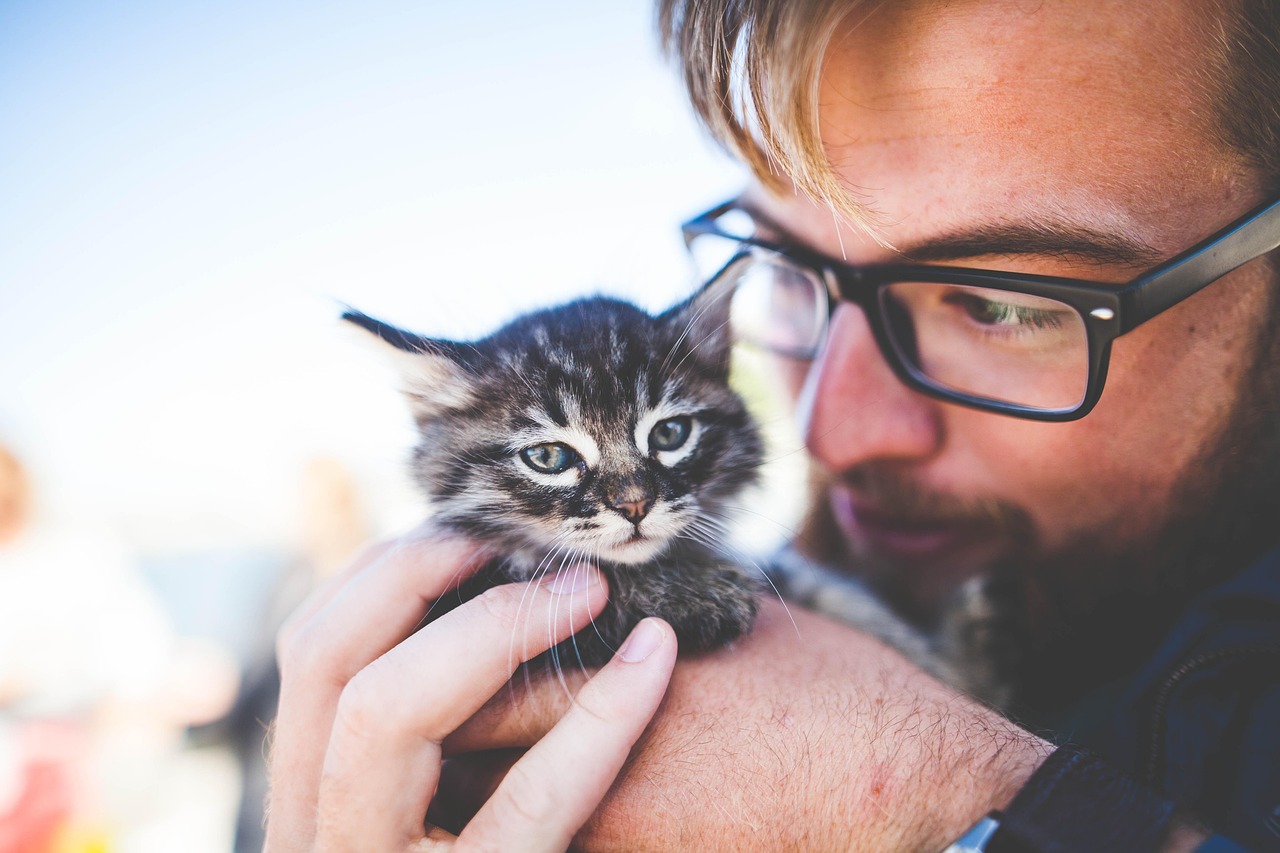

Fever in Kittens: When Is It an Emergency?
When it comes to kitten care, understanding fever is crucial. Fever in kittens can indicate an underlying health issue that requires immediate attention. Kittens generally have a normal body temperature between 100.5°F and 102.5°F (38.1°C to 39.2°C). If you suspect your kitten has a fever, it’s vital to take action promptly. A body temperature exceeding 102.5°F signals a possible infection, illness, or other serious problem. Identifying fever symptoms early can save your kitten’s life. Symptoms may include lethargy, lack of appetite, or excessive grooming. When assessing your kitten’s temperature, using a rectal thermometer is the most accurate method. Ensure you follow safe practices during this process. If you notice a persistent rise in your kitten’s temperature or other alarming signs, it is crucial to consult a veterinarian as soon as possible. They can offer guidance on what steps to take next. Remember, early detection can significantly increase your kitten’s chances for a successful recovery and overall health. Regular check-ups and vaccinations can help minimize such risks, ensuring your kitten stays happy and healthy.
Recognizing the signs of fever in kittens can be challenging. Monitoring their behavior at home can help you determine if they are unwell. Look out for sudden changes in sleeping patterns. A normal kitten should be playful and curious, but if your kitten becomes unusually lethargic or irritable, this could indicate a fever. Additionally, pay close attention to appetite; kittens that are running a fever often lose interest in food or water. Another common symptom is warm ears or paws; touch your kitten’s extremities to check for warmth. Ensuring that your living environment is conducive to your kitten’s health is also vital. An overheated home can contribute to fever conditions. Keep their habitat comfortable, but not too hot. Calming spaces help manage stress, which is beneficial to their overall well-being. Offer hydration frequently; kittens might not drink as much when they feel poorly. Always have fresh water available, as hydration is crucial for all living creatures. When in doubt, never hesitate to reach out to your trusted veterinarian for advice on your kitten’s condition, especially if you observe worrisome symptoms.
What Causes Fever in Kittens?
Fever in kittens can arise from a variety of causes. It’s essential to understand these potential triggers for a better preventive care strategy. Infections, such as feline panleukopenia or respiratory viruses, can induce fever. These infections may originate from exposure to sick animals or unsanitized environments. Additionally, parasites like fleas or ticks are culprits that can cause distress in the bodily systems of your kitten. Ingesting toxins, such as poisonous plants or chemicals, can also result in a fever as the body reacts defensively. The presence of underlying health issues, like autoimmune disorders, may trigger fever too. Autoimmune diseases can cause excessive inflammation, leading to higher body temperatures. Stress can also be a contributing factor to fever. Changes in routine or environment can trigger stress-related responses in young felines. Keeping stress levels low through proper handling and minimizing disruptions is key. To properly address and manage a fever, identifying the root cause is vital. A veterinarian’s diagnosis will provide the best treatment options, ensuring your kitten receives the appropriate care that is necessary for recovery.
Understanding when to seek emergency care for a feverish kitten is essential. If your cat’s temperature exceeds 103°F (39.4°C), it warrants immediate veterinary attention. Persistent fevers that last more than a few hours or are accompanied by severe symptoms like vomiting or diarrhea signal urgency. Difficulty breathing or signs of dehydration, such as dry gums or lethargy, require swift action as well. The faster you react, the better chance your kitten has for recovery. While you should always contact a vet in such cases, knowing the number to your local emergency veterinary clinic is invaluable. Keeping your doctor informed about your kitten’s symptoms can expedite diagnosis and treatment. When visiting the clinic, be prepared to discuss all observed signs and symptoms your kitten exhibits—this can significantly help in the assessment process. As part of your kitten care toolkit, equip yourself with thermometer knowledge, proper modes of healthy diet intake, and awareness of emergency clinics. A supportive environment can aid in their healing journey. Taking swift action during a crisis can make all the difference in your furry friend’s health and recovery.
Home Care for a Feverish Kitten
If your kitten has a mild fever, you may be able to manage symptoms at home. Ensure a comfortable resting space away from drafts and noise. Soft bedding and a warm area can be soothing. Monitor your cat closely for changes in behavior. Maintaining hydration is vital; encourage drinking by offering fresh water frequently. Adding wet cat food or broth can entice them to consume more liquids. Always consult your veterinarian on whether it is safe to give medications such as fever reducers specifically for kittens. Keeping their environment calm can significantly reduce stress levels and support recovery. Gradually return to regular activities once your kitten shows signs of improvement. Pay attention to their eating habits, energy levels, and any ongoing symptoms during recovery. Observe for any new signs developing that could indicate complications. Avoid bathing your kitten unless advised by a veterinarian, as it could further stress them. Calming techniques like gentle petting can also help soothe their nerves. Caring for a sick kitten requires love, patience, and a proactive approach; both physical and emotional support is key to their recovery.
As part of responsible kitten ownership, regular health checks can reduce the risk of severe fevers. Consider scheduling routine veterinary visits even when your kitten appears healthy. Preventive vaccinations are a critical step in protecting against common diseases that may induce fever and illness. Discussions about diet, lifestyle improvements, and general behavior should also occur during these visits. Additionally, consider spaying or neutering to prevent related health issues. If your kitten spends time outside, implement a regular parasite control program to manage fleas and ticks effectively. Educate yourself about safe plants and household substances to keep around your pets—many common items can be toxic if ingested. Building awareness around these preventive measures is vital. Keep a record of your kitten’s vaccinations, health incidents, and vet visits, as they are beneficial for tracking health history. Continuous education about cat health enables more informed decision-making as a pet owner. A healthy kitten is a happy kitten, and investing time in their well-being will pay off in the long run. Taking proactive care measures will help ensure your furry friend has a thriving and joyous life.
Conclusion
In conclusion, recognizing and caring for fever in kittens is of utmost importance for their well-being. By learning about the causes, symptoms, and appropriate responses, you can be better prepared to respond to emergencies. Regular vet appointments and vaccinations can notably help prevent illness, while creating a nurturing environment supports overall health. A vigilant approach to monitoring your kitten’s behavior and body temperature will help you catch potential problems early. Knowledge is power in ensuring the best possible care for your feline companion. Offer comfort, ensure hydration, and always seek advice from professionals when necessary. Your active role in their lives significantly contributes to their happiness and health. Remember, your kitten relies on you for their care and protection. Taking educated steps when they fall ill can greatly impact their recovery and long-term health prospects. Communicating openly with your veterinary team and advocating for your kitten’s needs will further enhance their care. By prioritizing kitten health and awareness, you create a loving, safe, and supportive home that champions their growth and happiness through all stages of life.
To have a visual guide on kitten health, consider checking out resources such as The Cat API for additional information. Their site offers insight into various aspects of cat care that could be invaluable for new owners. Each kitten is unique, and understanding their individual needs promotes a loving bond that lasts a lifetime. Documenting your kitten’s health journey can also be beneficial for future reference. High-quality care means understanding both immediate and long-term health strategies. Regular updates with your veterinarian foster a healthy partnership in maintaining your kitten’s well-being. Education, proactive measures, and love are central to kitten care. As you monitor your adorable feline, enjoy the companionship that they bring into your life. Create a positive environment that nurtures growth and happiness. The joy of watching them conquer developmental milestones and thrive brings immense satisfaction to pet lovers everywhere. Choose to be an informed, responsible kitten owner and invest in their health today, tomorrow, and always.