
Future Trends and Research in Trap-Neuter-Return Practices
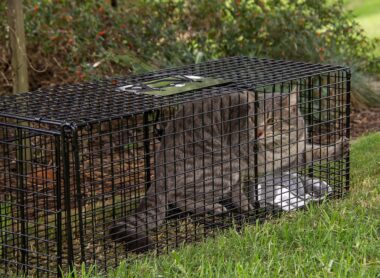
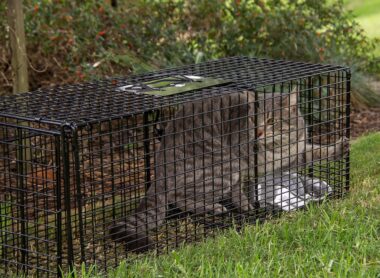
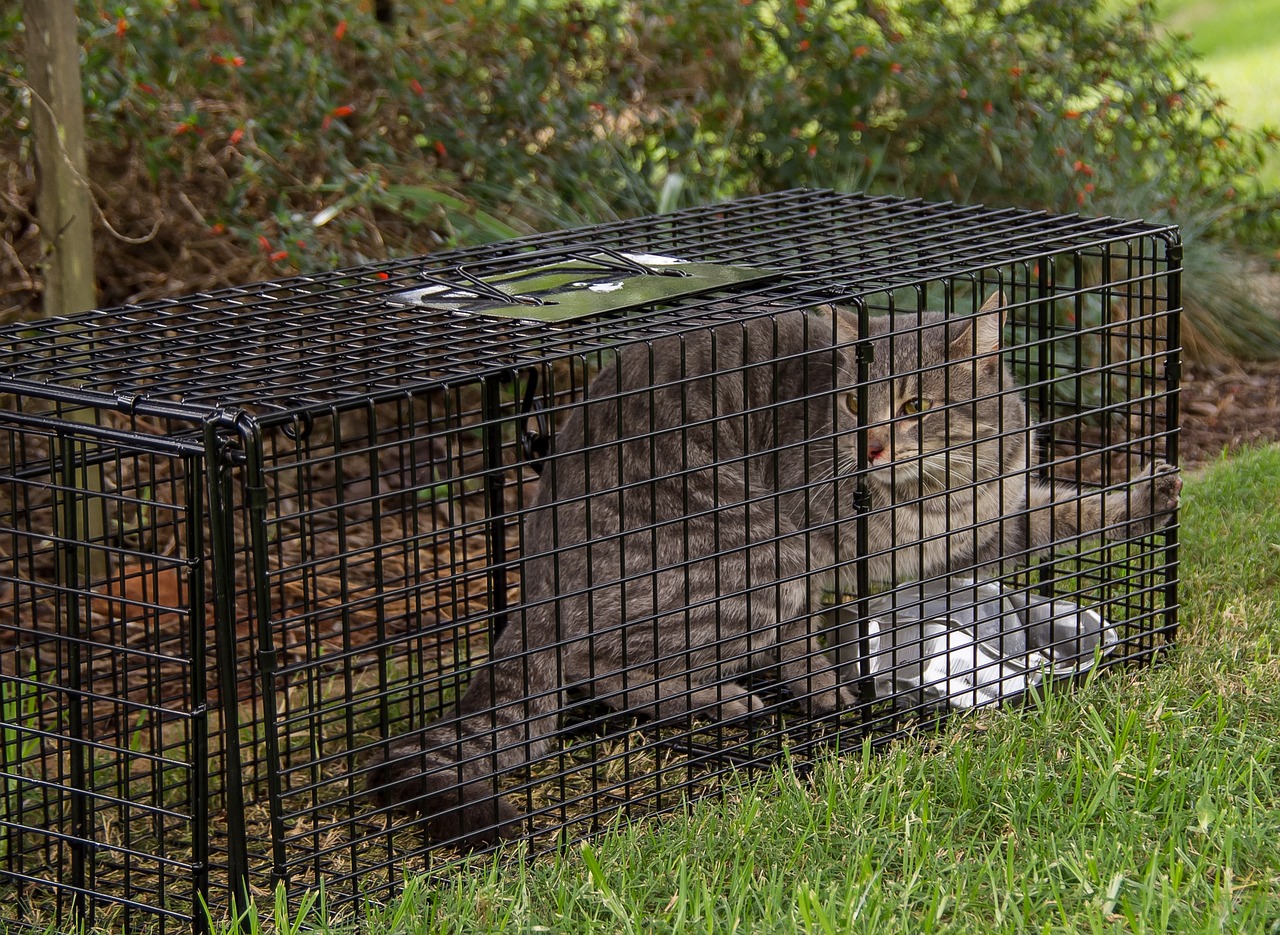
The Trap-Neuter-Return, or TNR, method has gained immense popularity in managing cat populations globally. It involves humanely trapping community cats, spaying or neutering them, and then returning them to their original locations. This approach not only controls cat populations effectively but also aids in reducing overall euthanasia rates among healthy cats. The future of TNR practices is likely centered around increased community involvement and awareness, as cities recognize the positive impact of this method. Many organizations are now emphasizing the importance of public education on the benefits of TNR. Future research will focus on optimizing trapping techniques, finding affordable sterilization options, and improving post-operative care for cats. Moreover, collaboration between various stakeholders, including veterinarians, local governments, and animal welfare groups, will become more crucial. The aim is to create a more robust network that supports TNR initiatives through funding, resources, and advocacy. This collaborative process aims to foster sustainable communities where both cats and humans can thrive. Innovations in technology, such as tracking systems for TNR colonies, could enhance monitoring and effectiveness of TNR practices in the coming years.
The effectiveness of TNR programs can be further evaluated by assessing the health of returned cats. Research indicates that TNR not only prevents overpopulation but also improves the health of individual cats through sterilization. Spayed and neutered cats exhibit fewer behavioral issues, which translates into a more harmonious coexistence with humans. As a result, it will be imperative to invest in veterinary care research detailing long-term health outcomes for TNR cats, including potential infectious disease prevalence. Emerging partnerships between veterinary schools and animal shelters could facilitate comprehensive studies on the life expectancy and health of TNR cats. Furthermore, outreach programs promoting the benefits of TNR can encourage community members to participate actively. As communities embrace TNR, more localized data will emerge to help improve these practices. Analyzing such data will aid in demonstrating the economic benefits of TNR, as well as its ecological advantages. The role of technology, including social media, can greatly enhance public engagement and advocacy for TNR initiatives. Future strategies will likely include using apps to track TNR efforts and engage volunteers, ultimately building strong community support.
Challenges Facing TNR Programs
Despite the potential advantages, TNR initiatives face considerable challenges that need addressing. One such challenge is securing ongoing funding and resources; many programs rely on donations and grants. Financial limitations can restrict the scale of TNR initiatives, hindering their effectiveness. Moreover, certain areas may struggle with public opposition towards feral cat colonies. Educating the public about TNR’s benefits often becomes a core focus to counter this challenge. Negative perceptions related to feral cats may result in community members advocating for euthanasia instead. Additionally, ensuring adequate veterinary support is essential for successful TNR practices. Some regions might not have access to veterinary clinics willing to participate, making the sterilization process more difficult. Furthermore, logistical issues arise while coordinating the trapping efforts, especially in high-density areas. This requires effective management to balance multiple trapping locations while maintaining the safety of both cats and humans. It’s essential for TNR advocates to address these challenges collectively, promoting collaboration between stakeholders and allowing for the development of adaptive strategies tailored to specific community needs.
Research that explores innovative methods for TNR implementation will dictate future practices. Various studies are underway to assess effective trapping techniques that minimize stress for the cats involved. Additionally, researchers are focusing on alternative sterilization procedures that can be performed quickly and still ensure safety. Another significant area of future research is the impact of TNR on local wildlife and ecology. Some studies indicate that a well-managed TNR program can contribute positively to maintaining ecological balance. Understanding these dynamics allows for responsible TNR practices, addressing both cat welfare and wildlife conservation. The potential for redefining community policies and ordinances regarding TNR will become increasingly important. This includes the creation of supportive laws to protect TNR caregivers and volunteers. As a result, promising legislative changes in favor of TNR could increase public adoption and compliance. Educational outreach programs could complement these policies, building stronger community relationships and support. Collectively, these strategies will contribute to establishing sustainable TNR initiatives that can thrive in various ecological settings.
Expanding TNR Beyond Community Cats
Another intriguing trend in TNR practices is the expansion to include more than just community cats. Innovative TNR programs are popping up that target at-risk populations, such as stray cats recently abandoned. It is crucial to develop more inclusive approaches that provide support for these animals, improving their chances of survival. Addressing the root causes of cat abandonment can also enhance the effectiveness of TNR initiatives. Educational materials detailing responsible pet ownership should be distributed to mitigate future abandonments. Creating partnerships with local rescue organizations can facilitate the placement of adoptable cats found through TNR efforts. In tandem with TNR, efforts to find permanent homes for rehabilitated cats benefit both individual animals and the community. These synergistic approaches are becoming vital for addressing the broader issue of unwanted felines. As more communities recognize the value of holistic strategies, it will attract funding and resources based on successful models. Continuous research will be necessary to optimize these inclusive programs, ensuring they are both sustainable and successful. This dynamic shift has the potential to reshape community cat management principles entirely, leading to effective population control and improved feline well-being.
The role of public policy in shaping the future of TNR cannot be underestimated. Governments are increasingly recognizing the importance of TNR, leading to the introduction of policies that support humane population control measures. Advocacy efforts to promote TNR often emphasize the need for legislation that protects feral cats and those who care for them. Local governments are beginning to adopt policies encouraging TNR programs and allocating funding to support sterilization efforts. This shift is essential for the long-term success of TNR initiatives, as government involvement can significantly impact accessibility and resources available. The collaboration between advocates, policymakers, and animal welfare organizations will shape the regulatory landscape surrounding TNR practices. Comprehensive policies will include components addressing public education and outreach, emphasizing responsible cat ownership. Additionally, future policies may reflect the need for assessments on the effectiveness of ongoing TNR efforts in different communities. Ensuring that these efforts are adaptable and responsive will be essential in meeting the needs of both cats and communities in an evolving landscape.
Conclusion: The Path Forward for TNR Programs
In conclusion, the future of Trap-Neuter-Return practices presents numerous opportunities for advancement and improvement. By embracing research and community engagement, TNR programs can become more effective in managing cat populations humanely. Ongoing collaboration between various stakeholders is critical in overcoming existing challenges while promoting innovative strategies. The importance of public education remains paramount; it ensures that community members understand the value of TNR efforts. Leveraging technology can also enhance outreach and monitoring, increasing participation in TNR initiatives. Expanding these programs to include not just community cats but also stray populations signifies a significant evolution in TNR practices. Incorporating public policy support can enable a sustainable approach that benefits all involved. Collectively, the efforts put into TNR programs will undoubtedly lead to a more compassionate society concerning the treatment of cats. Continued advocacy, education, and collaboration will pave the way forward, providing hope for both feral cats and the communities that care for them. Embracing these trends will undoubtedly ensure that TNR practices remain effective and responsive to the needs of both feline and human populations into the future.
As TNR practices evolve, they will be guided by the collective efforts of those dedicated to improving the lives of community cats. By engaging diverse stakeholders and ensuring collaborative frameworks, TNR will continue to serve as a flagship model for animal welfare and population control. Communities are beginning to witness the shift in perception toward stray cats, realizing their importance within the ecosystem. This awareness fosters an environment where TNR can truly flourish. Consequently, the future is promising, with a focus on effective and humane solutions to managing cat populations. Adapting to emerging research and community needs will only enhance TNR programs, leading to sustained success. Innovations in service delivery, public engagement, and resilience mean that tomorrow’s TNR practices will be driven by a shared commitment to animal welfare. Stakeholders must remain focused on continuous education, outreach, and the science of feline population management. The road ahead is a collaborative one where all voices play a crucial role in shaping policies and programs. With a proper strategy, TNR will not only manage cat populations but improve the overall relationship between humans and cats in urban settings.