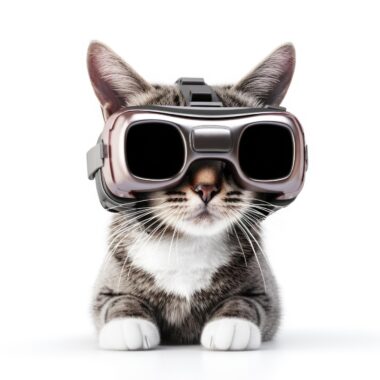

How Wearable Devices Are Revolutionizing Cat Sports
Technology continues to reshape various domains, and cat sports are no exception. The introduction of wearable devices is enhancing training, enhancing performance tracking, and providing insights into cats’ health and behavior. Trainers and cat owners can utilize these devices for a plethora of reasons, including monitoring activity levels, assessing heart rates, and identifying signs of stress. The data collection ability of these gadgets allows more customized training schedules, tailored nutritional plans, and specific recovery protocols. Additionally, wearable tech provides a real-time analysis of a cat’s performance during training sessions or competitive events. The information gathered leads to more informed coaching. Moreover, tech-savvy owners can compare their cats’ metrics against breed averages, which is beneficial for understanding individual capabilities better. This technology aims to drive improvements and achieve better training outcomes while ensuring the cats remain healthy and engaged. In conclusion, wearable devices are paving the way for a truly scientific approach to cat sports, enabling trainers to make data-driven decisions that can significantly benefit cat athletes.’
With the advancement in technology, various types of wearable devices have been developed specifically for cats involved in sports. These gadgets come equipped with a range of features tailored to sports training and performance monitoring. For example, some devices could be GPS-enabled, enabling trainers to track their cat’s outdoor activities accurately. Others may include fitness monitors that report physical exertion levels, helping to prevent over-exertion. Additionally, many wearables also incorporate heart rate monitors to ensure the cat is performing within healthy limits. Monitoring such vital metrics is crucial, especially during high-intensity training or competitions. This information can help trainers adapt their strategies for each cat to optimize performance. Moreover, particular brands have developed apps that sync with these devices, offering insights from the data collected. These apps allow for tracking progress over time, further integrating fitness and health into cat training. Consequently, using these wearable technologies not only enhances training effectiveness but also strengthens the bond between the cat and the owner as they engage in sports together. With proper usage, cats in sports can achieve new heights in their performances.
The Benefits of Wearable Technology
Utilizing wearable technology in cat sports offers numerous advantages and can greatly improve the overall experience of trainers and pet owners. Firstly, it provides unparalleled insights into their cats’ physical and mental states during activities. Secondly, wearables empower owners to keep an eye on their pets’ health and well-being by tracking key data points such as heart rate, calorie burn, and stress levels throughout different activities. Monitoring this information allows for timely adaptations to training regimens, ensuring cats receive the necessary care as they engage in sports. Furthermore, many smart devices facilitate the creation of goal-oriented training plans. This tailored approach enables both owners and trainers to work collaboratively in achieving specific milestones. Overall, implementing technology in training enhances the experience for both cats and their humans. Most importantly, it allows for improved safety as owners can identify when their cats may be in distress. With this valuable information, environments can be adjusted to better suit each cat’s needs. Finally, this technology fosters deeper relationships as owners can share results and achievements with fellow enthusiasts within the cat sports community.
In addition to the numerous health and performance metrics available, wearable devices also advocate for better recovery protocols in cat sports. The insights gathered from these gadgets can assist owners and trainers in determining the ideal rest periods needed for optimum performance. Recovery is integral in any athletic discipline, including cat sports, as it prevents injury and ensures long-term success. By carefully analyzing the data collected, routine rest times can be adjusted accordingly, leading to a more efficient training regimen. Furthermore, wearables can monitor sleep patterns, indicating how well each cat is recovering after rigorous training sessions. This holistic approach to training and recovery paves the way for more successful athletic careers among cats. Additionally, some devices have integrated features to analyze the impact of various environments on performance. For instance, detecting temperatures and humidity levels may prove beneficial during competitions. Trainers can then tweak training and preparation to fit the specific needs of their feline companions. As a result, sports training transforms into a more comprehensive program, allowing cats to perform at their peak. The strategic use of technology truly enhances every element of the training process.
The Future of Cat Sports Technology
As technology continues to evolve, the future of wearable devices in cat sports looks incredibly promising. Innovations in artificial intelligence and machine learning are expected to push the boundaries of what these devices can achieve. Experts predict advancements in predictive analytics will allow owners and trainers to forecast training outcomes and tailor workout plans further. These developments could potentially revolutionize how trainers approach performance and recovery strategies. Furthermore, integrating social media platforms with performance data could foster community engagement and knowledge sharing among cat sports enthusiasts. Wearable tech could also facilitate friendly competitions within the community, creating additional excitement surrounding cat sports. Another exciting prospect is the potential for enhanced interactivity within training sessions. Gamification could become common, encouraging cats to engage more fully in their workouts. By transforming traditional training approaches into interactive experiences, trainers can motivate their feline athletes effectively. Bottom line, embracing these technologies will enable remarkable growth in the cat sports scene and elevate the standard of care and performance for cats competing in various sports.
However, it is essential to consider some challenges associated with the adoption of wearable technology in cat sports. Firstly, the cost of these devices can be a barrier for many pet owners. The investment required for high-quality wearables may deter some individuals from incorporating this technology into their training regimen. Additionally, the accuracy of data obtained from wearable devices can vary. Some products may not provide reliable readings, leading to misconceptions about a cat’s performance or health. Therefore, it is crucial to select wearables from reputable brands to ensure data accuracy. Training programs utilizing these technologies may also necessitate a learning curve for trainers and owners. Understanding how to interpret the data effectively is integral to realizing its full value in cat training. Furthermore, exposing cats to wearable devices may create adaptability issues; some cats may resist wearing gadgets initially. Owners must be patient and work towards gradual acclimatization. With time and proper engagement, the integration of technology into cat sports will become smoother as understanding grows and the advantages become clear.
Conclusion
In summary, wearable devices are significantly changing the landscape of cat sports by providing vital information that can enhance training and performance. These technologies empower pet owners and trainers to make informed decisions to drive overall improvement. With benefits ranging from real-time performance tracking to facilitating tailored training programs, it is evident that the integration of technology into cat sports can yield extraordinary results. As challenges remain, addressing them with patience and proper guidance will ultimately pave the way for widespread acceptance and use of these devices. This ensures that the health, welfare, and performance of cat athletes are always prioritized. The technology’s role will likely grow even further, with advancements in data accuracy and integration with broader platforms offering exciting possibilities. The future of cat sports may very well depend on adopting a tech-savvy mindset that embraces novel solutions. In doing so, a new era of enhanced training, deeper connections, and greater achievements is on the horizon. With every bite of innovation, cats in sports can be equipped to reach their full potential in whatever activity they choose.
As wearable devices continue to evolve, we must recognize their impact on various sports. The emphasis on improving training and ensuring animal welfare is critical. By utilizing data-driven insights, owners and trainers can foster a balanced and healthy approach to cat sports that enhances both enjoyment and performance. Continuous research and development in this segment will undoubtedly lead to further breakthroughs. The supportive communities surrounding cat sports can also act as essential facilitators of this technology, promoting best practices, knowledge sharing, and collective growth. As these devices gain popularity and become more accessible, we can expect greater engagement in the world of cat sports. The future holds immense potential for what we can achieve when technology and feline athletes come together. As we explore this exciting frontier, it’s essential to remain mindful of the unique traits and needs of each cat, ensuring they receive the care and attention they deserve while participating in sports. Embracing technology thoughtfully will propel the world of cat sports forward, creating exciting pathways for both feline athletes and their dedicated human partners.