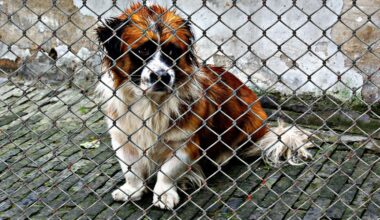

Myths and Facts About Aggressive Growling in Dogs
Aggressive growling in dogs is a common issue that many pet owners often misunderstand. It can be alarming when a dog growls, leading to misconceptions about the animal’s behavior and temperament. Many people believe that growling is simply a sign that a dog is aggressive or that it intends to bite. However, this is not entirely true. Growling is a form of communication among dogs, expressing discomfort, fear, or a need to establish dominance. In many cases, dogs will growl to give warnings before taking further action. Understanding this behavior is essential for owners to address potential issues effectively. Fostering an environment where the dog feels safe and relaxed is vital. Many factors can contribute to growling, such as previous experiences, lack of socialization, or health concerns. Addressing underlying causes can be paramount in addressing growling. Engaging with a professional dog trainer or behaviorist can aid in recognizing what triggers this behavior. Owners should observe their dogs closely to identify specific circumstances when growling occurs. By doing so, they can create a more harmonious living situation and ensure their dog’s well-being.
Recognizing the Triggers
Understanding the triggers that result in aggressive growling can help owners manage their dogs. Aggressive growling can occur in various situations, such as when a dog feels threatened or when its territory is encroached upon. Some dogs may growl when they are approached while eating, playing with toys, or resting. These scenarios highlight the need for positive reinforcement techniques to promote better behavior. A dog’s past experiences also strongly influence its responses to certain stimuli. For example, a dog that has been threatened or mistreated may use growling as a defense mechanism against perceived threats. Identifying these triggers is essential for improving a dog’s behavior. To address growling effectively, owners should first document instances of aggressive growling by taking notes on the context, body language, and environment. Through this documentation, patterns may emerge to indicate specific triggers. Additionally, socializing dogs and exposing them to various scenarios can minimize fear and anxiety. It is a proactive approach that helps them feel more secure. Ultimately, reducing growling requires time, patience, and a commitment to understanding a dog’s unique behavioral needs.
Many dog owners mistakenly attribute aggressive growling solely to a dog’s character, overlooking the influence of environmental factors. Stressors present in a dog’s surroundings can be significant contributors to their aggressive behavior, such as loud noises, unfamiliar people, or other animals. Additionally, health issues may also play a pivotal role in causing discomfort and subsequent growling. If a dog is in pain, its reactions could become unpredictable, leading to reactions like growling or snapping. Identifying medical problems early, such as arthritis or dental disease, can profoundly impact both a dog’s mood and behavior. Regular veterinary check-ups can help prevent situational triggers relating to health concerns. Furthermore, owners should consider their own behavior and emotional state when addressing their dog’s growling behavior. A tense or anxious owner can inadvertently amplify their dog’s stress levels. Creating a soothing environment can be crucial. Employing techniques such as calming products or ensuring that dogs get adequate exercise can also help alleviate growling. Educating oneself about dog behavior can foster understanding and build a positive relationship. Remember, successful management of growling behaviors requires patience, insight, and dedication from owners.
Debunking Common Myths
It’s essential to debunk some common myths surrounding growling in dogs for a better understanding of canine behavior. One prevalent myth is that growling indicates a dog is inherently aggressive or dangerous. In reality, growling is an essential part of a dog’s communication system. Dogs don’t growl without reason, and often it’s to warn or express discomfort. Another myth is that owners should punish their dogs for growling, which can lead to a more significant problem. Instead, understanding that growling serves as a warning is paramount. Dogs should feel secure expressing how they feel without fear of punishment. Furthermore, many believe that all growling is bad, but it can also indicate playfulness during interactions with other dogs. Learning to differentiate between different types of growl can help owners manage their dogs more effectively. By properly interpreting growling cues, owners can engage in proactive behavior to prevent escalation into aggression. Dogs often use body language alongside growling to indicate their feelings, requiring diligent observation and interpretation to determine situations that may evoke stress or fear.
Professional help is crucial when addressing problematic growling to ensure safety for both the dog and those around them. Enlisting a veterinarian or an animal behaviorist is an excellent first step for pet owners struggling with aggressive growling. With a professional’s guidance, owners can develop tailored strategies to meet their dog’s specific behavioral needs. They often recommend using positive reinforcement training techniques, which have proven effective at modifying undesirable behaviors in dogs. This approach not only discourages aggressive growling but encourages positive interactions and enhances the bond between owner and pet. Consistency plays a critical role in successfully managing unwanted behavior, so following through with training exercises and adjustments is crucial. Additionally, desensitizing a dog through gradual exposure to triggers can help alleviate fears and anxiety. Such strategies might include controlled introductions to stressors, ensuring that the experiences remain positive and non-threatening. Alongside training, providing dogs with sufficient socialization opportunities is vital. Such experiences allow dogs to learn what to expect from other animals and people during various situations, which can reduce growling incidents significantly.
Conclusion
Owning a dog requires understanding its behavior, especially when it comes to aggressive growling. Being informed about the myths and facts surrounding canine growling not only enhances an owner’s skills but also ensures both the dog’s and public safety. Dog owners must learn to observe and interpret their pet’s behaviors, recognizing the subtleties of communication that often go unnoticed. Patience and understanding are critical in addressing aggressive growling. Instead of punitive actions, owners should focus on positive reinforcement, training, and seeking professional guidance. Creating a stable, secure environment that minimizes stressors can be beneficial. Engaging with a certified dog trainer can provide much-needed insight and tools for handling these challenges effectively. Growling can be manageable through proper training and understanding, leading to reduced instances and healthier relationships. Additionally, helping our dogs interact positively with their surroundings fosters mutual respect and trust. Above all, responsible dog stewardship entails vigilance, compassion, and education about these behaviors. By doing so, owners can nurture their relationships with their dogs while addressing behavioral concerns positively.
In conclusion, addressing aggressive growling in dogs is not just about controlling behavior. It involves a comprehensive understanding of underlying causes, including past experiences, health issues, and environmental stressors. Recognizing the importance of communication can guide owners towards effective management strategies. Continuous education and proactive measures are essential in fostering a positive relationship with our canine companions. It’s also worth remembering that every dog is unique, and they all have specific needs that must be met. By providing these essentials, we can reduce a dog’s stress and inclination to growl aggressively. Sharing knowledge among dog owners and communities can further promote awareness and encourage responsible pet ownership. Understanding canine communication enables us to support dogs appropriately in various scenarios. We all share the responsibility for a safe and harmonious environment, both for our pets and the others around them. Ultimately, positive interactions can foster trust, security, and a lower likelihood of aggressive behaviors like growling. By debunking myths and supporting our dogs’ needs, we can ensure their health and emotional well-being.
Therefore, it is essential to remain vigilant as responsible dog owners in recognizing and addressing behaviors like aggressive growling to prevent conflicts and ensure safety. Keeping abreast of behavioral changes is critical, as these can often be the first signs of underlying troubles. Building a relationship based on trust aids in managing behavioral concerns, as dogs that feel secure are less likely to express negativity. Through openness, education, and community engagement, we can mitigate aggressive behavior, including growling. Establishing connections with other dog owners is invaluable for sharing experiences and solutions, as communal knowledge can often prove beneficial. Striving for continuous improvement in training practices enhances not just individual pets, but contributes positively to the pet-owning community. Hence, finding a balance between training techniques and proper handling of aggressive behaviors is crucial for a harmonious living environment. Moreover, utilizing resources such as online courses, books, and community seminars can widen perspectives on dog behavior and training. This comprehensive understanding paves the way for creating positive opportunities for dogs and their handlers, promoting an overall healthier dynamic. In essence, proactive management is vital for addressing aggressive growling behavior in dogs.