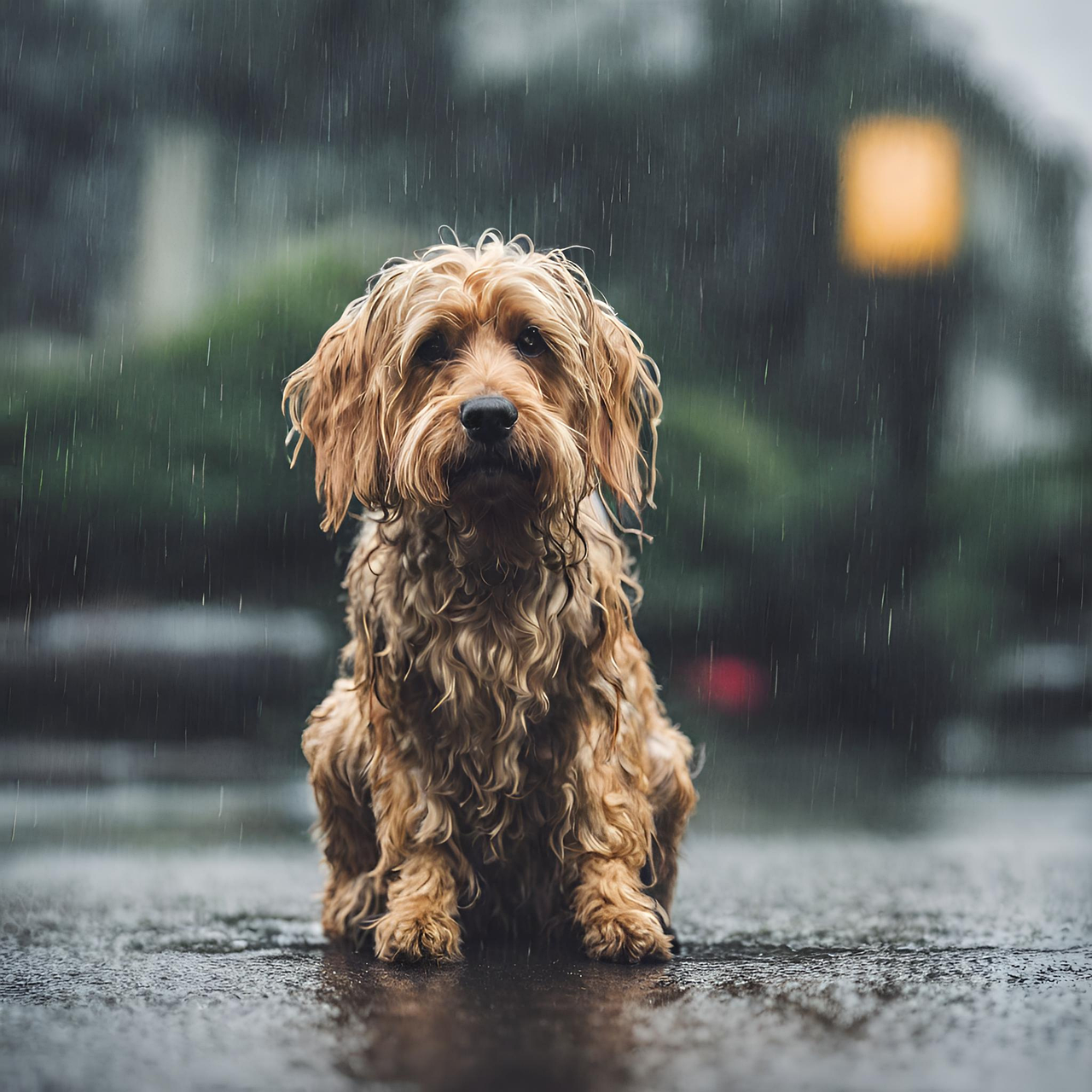

Seasonal Changes and Their Influence on Dog Behavior and Safety
Changes in seasons significantly affect dog behavior and safety. As temperatures fluctuate throughout the year, dogs must adapt accordingly to maintain their well-being. During the summer months, heat can pose serious dangers to these pets if proper precautions are not taken. Dogs may become dehydrated or suffer heat-related illnesses if left outside too long. Ensure that your dog has access to shaded areas and fresh water, and consider limiting activities during the hottest times of the day. Winter brings a different set of challenges as cold temperatures can harm a dog’s health. Dogs that are not accustomed to cold weather may require jackets or sweaters to maintain body heat. Make sure your canine companion is not exposed to freezing temperatures for extended periods. Changes in walking conditions like ice or snow can lead to slips and falls that can injure both dogs and owners. Being mindful of the weather conditions and your dog’s needs during seasonal transitions is essential for responsible pet ownership. Keeping your dog safe involves proper care, vigilance, and understanding of their behavior in various weather environments.
Dogs have specific needs, and these change with the seasons. During warmer months, it’s crucial to keep an eye on their hydration levels. This may mean offering water frequently, especially after exercise. Dogs tend to be more active in spring and summer, leading to increased chances of overheating. Early morning and late evening walks can reduce heat exposure while maintaining exercise. As the fall approaches, dogs may start exhibiting different behavior due to changes in temperature, light, and even environmental scents. This seasonal transition can lead dogs to become more energized as the weather cools down. Be aware of this behavioral shift when planning activities. As autumn sets in, the falling leaves may be appealing and stimulating for many dogs, potentially leading to chewing or other mischief. Additionally, pet owners should be vigilant about seasonal hazards such as mushrooms, which can be toxic to dogs. Overall, changing seasons present challenges and opportunities for dog owners to promote safety and ensure their furry friends remain healthy and happy in varying conditions.
Winter Weather Precautions for Dogs
Winter presents a unique set of challenges for dogs and their owners. Ensuring that your pet is prepared for cold weather is vital for its safety. When temperatures drop, take extra precautions to keep dogs warm and comfortable. Many breeds are more equipped to handle colder climates, but even robust dogs can suffer from exposure to frigid temperatures. If your dog is sensitive to cold, consider investing in dog clothes designed for warmth, such as jackets or booties. Additionally, be cautious about ice and snow accumulation. Injuries can easily occur if dogs slip or fall on icy surfaces. Be proactive by selecting appropriate walking routes and avoiding ice-covered areas when possible. Also, be mindful of frostbite or paw pad injuries caused by cold weather, which can go unnoticed until it’s too late. After outdoor excursions, check your dog’s paws for any signs of ice buildup or damage. Ensuring their paws are clean and dry can help prevent infections and ensure comfort. Proper pet care during winter requires more than just basic attention; it necessitates an understanding of your dog’s specific needs in harsh conditions.
The health of your dog can also be affected by winter weather conditions. Snow and ice can hide potential hazards like sharp objects or toxic salts used for de-icing. Always keep an eye on your dog, especially when they’re exploring outside. Supervision is critical for ensuring their safety in winter landscapes. Dogs that tend to chase after wildlife may encounter dangerous situations during winter months, such as slipping on ice. Keeping your dog leashed is advisable to prevent accidents. Proper nutrition is another vital aspect of keeping your dog safe during winter. Ensure that your dog is receiving a balanced diet to help them maintain their energy and warmth, as their bodies work harder to regulate temperature. Regular vet check-ups can help assess any winter-related health issues. Maintaining your dog’s health throughout the colder months involves proper care, attention, and diligent observation. As conditions shift, being aware of your dog’s behavior ensures their safety, allowing for a more enjoyable experience during winter season. Enabling your dog to be active even during winter can be achieved with proper strategies and gear.
Humidity and Heat Hazards in Summer
With the arrival of summer comes the heightened risk of heat-related hazards for dogs. Understanding how humidity plays a role in dog safety is crucial during warmer months. Overheating can occur rapidly, especially in high humidity, where a dog’s natural cooling method, panting, becomes less effective. If you notice your dog panting heavily or lethargic, consider relocating them to a cooler, shaded area immediately. Providing fresh water should be a priority, ensuring they stay hydrated throughout the day. Heavy-coated breeds may require more attention as they struggle with temperatures. Owners must monitor their dogs during peak heat and adjust walks accordingly. It’s vital to avoid strenuous activities during the hottest hours to prevent heatstroke or exhaustion. Recognizing the signs of distress in your dog is essential to ensure proper action is taken. If you suspect your dog is overheated, prompt intervention can make a significant difference in recovery. Be sure to educate yourself about signs of overheating, as this knowledge can save your pet’s life. Paying attention to weather changes and being proactive can ensure your dog stays safe and comfortable during summer.
Dog owners should also be aware of how increased activity levels with warmer weather can impact behavior and health. Many dogs become excited by the opportunities to play outside. The ideal temperature allows for longer walks and outdoor playtime; however, it’s important to set limits. Ensuring dogs have adequate rest between activities helps prevent them from becoming overheated or stressed by environmental changes. Furthermore, additional environmental factors like allergies can also influence dog behavior during spring and summer months. Grass pollen, dust, and insect bites are common irritants that may lead to discomfort, impacting the pet’s mood. Regular grooming can reduce the effects of allergens and keep skin healthy, providing relief. On hot days, dogs may try to seek out cool surfaces like tiled floors to rest; monitoring their resting behavior can provide insights about their comfort level. After outdoor play, taking time for cooling down can help maintain their health. Incorporating safe playtime while remaining observant of temperature and other safety concerns can significantly benefit your dog during warmer months.
Conclusion: Year-Round Responsibility
Every dog owner holds the responsibility for their pet’s safety throughout the yearly cycle. Seasonal changes present unique challenges that require adaptability and understanding. Proper care involves ensuring safety in extreme heat, cold, and all conditions in between. Establishing a routine that incorporates seasonal considerations fosters a healthy relationship with your dog. Awareness about how weather impacts dog behavior can help owners make informed decisions regarding activities and safety measures. Regular training and socialization also play vital roles in promoting a balanced response to environmental changes. Engaging dogs in structured environments can teach how to navigate different weather situations effectively. To keep their well-being in check, owners should also invest in appropriate gear that enhances comfort and protection, regardless of the season. By recognizing and addressing the specific needs of their dog, the bond between owner and pet can thrive. In closing, embracing a proactive approach to dog care alongside remaining vigilant about weather conditions will ensure your pet remains safe and happy. Ultimately, a dog’s well-being is a reflection of an owner’s commitment and understanding of seasonal influences.
When considering dog safety and seasonal weather patterns, responsible ownership cannot be overlooked. Dogs rely on their owners to monitor and adapt routines based on climatic shifts. Seasonal changes create a dynamic landscape that affects behavior and overall health. As owners navigate through these fluctuations, they need to set the stage for a healthy environment. This involves ongoing assessment of weather conditions and a willingness to adapt practices accordingly. Training your dog to respond positively to challenges posed by the environment not only strengthens your bond but also enhances safety. In summation, awareness of seasonal hazards, vigilance over dog behavior, and prompt action in response to changing conditions can significantly contribute to a dog’s safety and well-being. By embracing these practices, dog owners can ensure a fulfilling and enjoyable experience for both them and their furry companions all year round. Ultimately, a successful relationship with your pet is contingent upon a committed approach to their health. Regular adjustments based on seasonal changes will foster a lifelong connection with your dog.