
Setting Up Weekly and Monthly Exercise Progress Reviews
Monitoring your dog’s exercise progress is essential for maintaining their health and happiness. To effectively track this progress, you should establish a systematic approach. Start by determining the ideal exercise routine for your dog, taking into account their breed, age, and health conditions. Create a chart where you can log daily activities and duration. Include various types of exercises such as walking, running, and playing fetch. Use this visual aid to motivate yourself and stay consistent. Consider setting reminders to ensure that you’re dedicating enough time to your dog’s physical needs. Additionally, this process fosters an organized view of your dog’s overall fitness level. Regular logs will help you notice patterns and trends in your dog’s activity. Make use of mobile apps specifically designed for tracking pet activities. These apps often provide insightful statistics that can guide you to make necessary adjustments to your dog’s regimen, ensuring it meets their needs. By regularly reviewing your notes, you’ll be able to reflect on both progress and dips in activity, which can signal potential health concerns.
Weekly reviews are a practical way to stay recent with your dog’s exercise habits. Set aside time each week to inspect your logs. Look for consistency in activity duration and intensity. Identify any days where exercise was less than anticipated, and assess why this occurred. Sometimes, daily life may disrupt routines, so it’s crucial to adjust your schedule accordingly. During these weekly reviews, make sure to celebrate any improvements by acknowledging increased activity levels or more engaging play sessions. Share this information with family members to encourage everyone to participate in the dog’s exercise needs. To enhance motivation, consider setting weekly goals for your dog’s activities. These might include increasing walking distance, incorporating new games, or introducing obstacle courses. Remember that every small achievement is important; only moderate your expectations to avoid overexerting your dog. If they consistently reach the weekly goals, consider increasing the targets gradually. Keeping track of your dog’s exercise through a structured weekly review can transform their fitness and deepen the bond between you and your furry friend.
Monthly Progress Evaluation
In addition to weekly reviews, it’s valuable to conduct monthly progress evaluations. This broader perspective allows you to analyze trends over time. At the end of each month, look at the overall data from your weekly reviews. Pay attention to possible adjustments needed to optimize activities. For instance, if your dog appears to be gaining weight, it may indicate the need for increased or varied exercise. Compare your monthly logs against the goals you set during previous reviews. This comprehensive analysis will allow you to assess your effectiveness. Reflect upon what changes led to improvements or setbacks throughout the month. Monthly evaluations are also an opportunity to adjust your approach or set new targets. Engage family members in discussions about strategies to enhance your dog’s routine. You could explore different parks, trails, or dog-friendly gyms. As a result, not only will this provide your dog with a varied exercise regimen, but it will also encourage several individuals in your household to stay involved actively.
Documentation plays an important role in both weekly and monthly tracking. Invest in a notebook or use digital applications to keep everything organized. When documenting, be consistent and thorough; include dates, activities completed, time spent, and any observations. Notes about your dog’s behavior and energy levels during and after activities can provide valuable insights. If you notice your dog becoming less enthusiastic, it may signal boredom or fatigue, necessitating adjustments in activities or durations. Additionally, sharing this documentation with your veterinarian can help provide insights into your dog’s health. They can use this information to provide better guidance tailored to your dog’s needs. It can also help in addressing any health concerns that arise, as they will have a full picture of the dog’s fitness journey. As time goes on, you will create a comprehensive history that guides your approach to your dog’s exercise. This ensures they remain fit and engaged while developing a rewarding and fulfilling exercise routine.
Adjusting Your Dog’s Routine
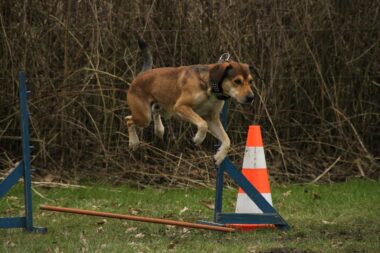
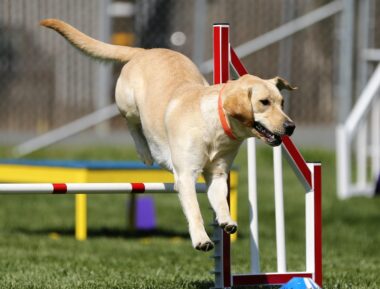
As you review your dog’s progress regularly, be prepared to adjust their exercise routine. Dogs, like people, have changing energy levels and appetites at different stages of their lives. What worked one month may not be suitable the next, so remain flexible. If your dog seems less motivated, consider trying new forms of exercise. Activities like agility training, swimming, or interactive play can invigorate their enthusiasm and challenge them mentally. Always listen to your dog’s body language; signs of fatigue or disinterest can indicate the need for rest or a change in pace. You may also want to mix up the locations to provide stimulating environments. New smells and sights can inspire greater curiosity and interest. Viewing your dog’s logs should help you find which months your dog displayed the most vigor and enthusiasm. Harnessing this data empowers you to create an adaptive routine that caters to their evolving needs. In addition, active participation from family members will ensure that everyone is on board with these changes, thereby providing a joyful exercise experience.
Consistency is a key factor in exercising your dog effectively. While having adaptability is important, establishing a stable framework for your dog’s routine creates security. Aim for at least a few regular exercise times each week, integrating walks, play, and controlled training sessions. Creating a habit fosters comfort for both you and your dog. Daily routines can help manage expectations, and your dog learns when it’s time to go outside or play. Ensure that everyone in the household is on the same page regarding the exercise schedule, which will prevent confusion. A shared understanding allows for more efficient use of time while ensuring your dog’s needs are met.Consider incorporating exercise into the family’s daily activities; for example, walking your dog together can boost everyone’s physical health. Use weekend outings as a chance to explore new trails or parks together as a family. This shared experience brings the benefits of socialization and stronger bonds for both humans and pets alike, keeping motivation high while nurturing your dog’s ongoing needs for exercise and interaction.
Embracing Technology for Tracking
In today’s digital age, embracing technology can significantly enhance the tracking of your dog’s exercise. Numerous apps exist that make logging physical activities simple and efficient. These digital tools often come with features that allow you to set goals, monitor progress, and even share data with your vet. Some offer reminders for exercise time, ensuring you don’t miss opportunities to keep your furry friend active. Features such as GPS tracking can help you keep tabs on routes taken during walks, providing insight into the distance covered. Additionally, some devices allow for heart rate measurement, offering deeper insight into your dog’s health and fitness levels. This advanced tracking creates a clearer understanding of your dog’s needs. The data can aid in tailoring their exercise plans accordingly, keeping them engaged and healthy while addressing any fluctuations in their energy. By regularly using these technological tools, you can create an actionable plan based on accurate data, leading to successful exercise outcomes for your dog.
In conclusion, tracking your dog’s exercise progress is vital for their well-being and life quality. Establishing a thorough routine, with frequent reviews and appropriate adjustments, ensures that they remain healthy and happy. Mix in engaging options periodically to keep things fresh, and document all activities for easy reference and assessment. Monthly evaluations help in setting new goals and appreciating growth. Coupled with technological tools, you can offer a dynamic and responsive exercise regimen. The joy of exercising together strengthens your bond, promotes mental stimulation, and assists in maintaining a healthy lifestyle for both you and your dog. Always remember the significance of maintaining balance in your dog’s activities to prevent burnout or fatigue. Stay engaged and responsive, and your canine companion will surely appreciate the effort you devote towards their exercise needs. Whether through outdoor adventures, innovative games, or guided routines, the key lies in recognizing your dog’s needs as they grow and developing a lasting approach to their fitness. Healthy exercise habits ensure they enjoy a long, happy life.