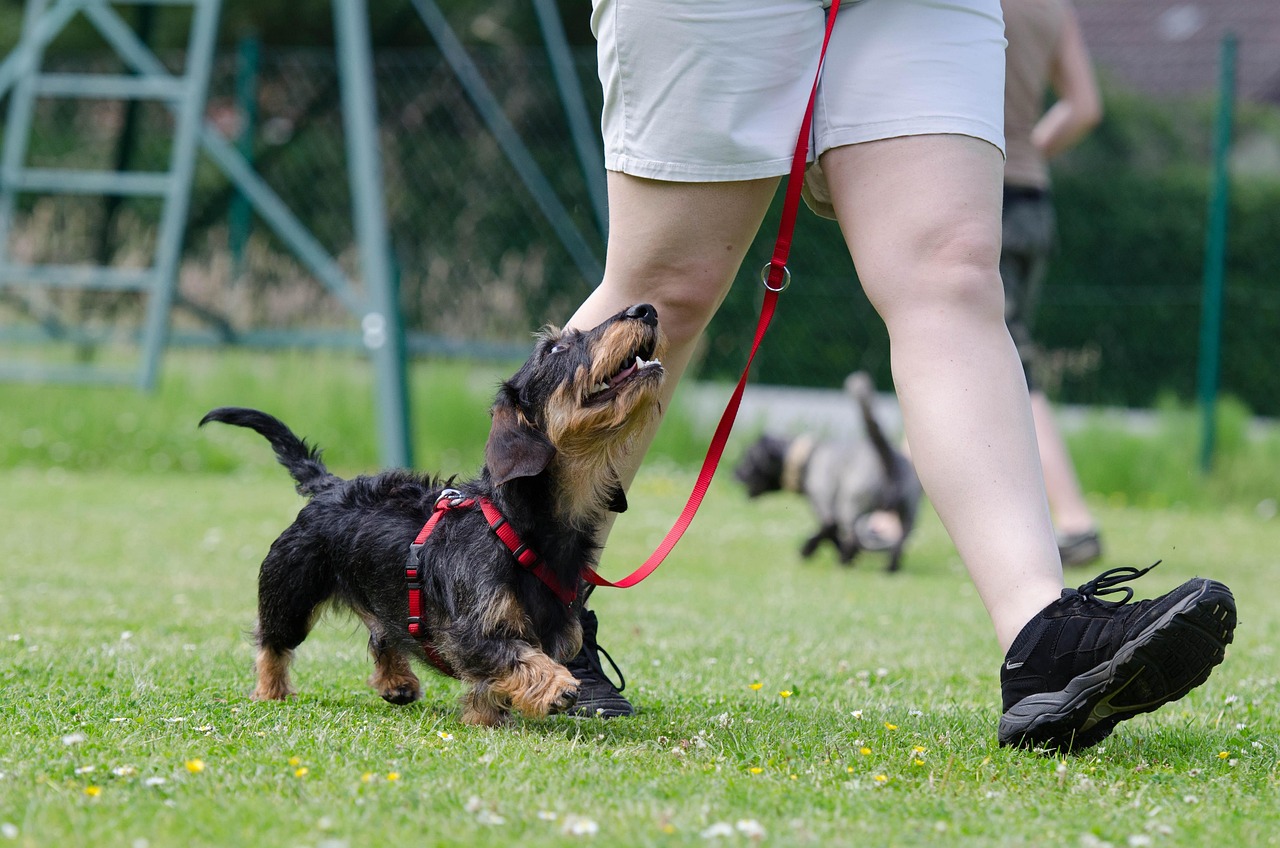

The Role of Liability Insurance in Dog Training and Public Access
Before delving into the specifics of how liability insurance affects dog training, it’s essential to understand its fundamental purpose. Liability insurance is designed to protect individuals and businesses from legal and financial consequences resulting from accidents or injuries caused by their pets. It plays a significant role in ensuring both trainers and dog owners can safely engage in training sessions without the fear of potential repercussions. Moreover, it provides peace of mind for participants in public settings, where dogs may interact with others. This type of insurance is critical for anyone working with dogs, whether they are professional trainers or simply enthusiastic owners trying to enhance their pet’s behavior. Instances of dog bites or accidents can lead to serious legal claims, making it crucial to have adequate protection in place. Choosing an appropriate insurance policy involves considering factors such as coverage limits, exclusions, and premium costs. Ultimately, being informed about liability insurance helps everyone involved in dog training to make better decisions and foster a safer training environment. Hence, it safeguards the interests of both the dogs and the people around them.
In addition to protecting against potential legal claims, liability insurance serves as a vital safety net for dog trainers and dog owners alike. Many training facilities and obedience classes require participants to hold insurance as a standard policy. This requirement not only demonstrates the commitment of trainers to maintaining a safe environment, but it also ensures that they are legally protected should an incident occur. Furthermore, those who train their pets at home can benefit from the added layer of security that liability insurance offers against unforeseen accidents. It is crucial for dog owners to discuss their policy options with their insurance agents to understand what coverage is available, as policies can differ significantly. Trainers are often encouraged to choose policies that specifically cover training activities and potential damages occurring during sessions. By incorporating liability insurance into their training toolbox, trainers can navigate challenges that may arise confidently. This proactive approach not only protects them but also reinforces positive relationships between trainers, dogs, and their owners, creating successful learning experiences for all involved.
Mandatory Liability Insurance in Public Spaces
When dogs are taken into public spaces, the role of liability insurance becomes even more critical. Parks, training schools, and dog-friendly cafes often require proof of liability insurance before allowing dogs to enter their premises. This added layer of security ensures that in the event of an accident, a trainer or dog owner has financial coverage for injuries or damages caused by their dog. Understanding the specific requirements of these locations is essential for responsible dog ownership and training. Additionally, many public organizations foster a sense of community among dog owners by offering classes or social events, which can further illustrate another critical aspect of insurance: trust. Liability insurance builds trust between dog trainers and clients when they participate in group activities by demonstrating commitment to safety. When dog owners share the same space, having coverage means that everyone is protected, creating a welcoming environment. Not to mention, the peace of mind provided by this coverage encourages dog owners to participate in training sessions more frequently, contributing to better socialization and training opportunities. As a result, liability insurance benefits everyone involved in public spaces.
Moreover, as dog owners increasingly integrate their pets into daily activities, liability insurance becomes a vital consideration for pet-related businesses. Groomers, dog walkers, and trainers who operate from home or take clients’ pets on outings must ensure that they have appropriate coverage in place. This insurance will not only protect them from liability should an incident occur involving a client dog but also reinforce clients’ confidence in their services. If an accident were to happen during a grooming session or a walk, having liability insurance can be the key to protecting the business from financial ruin. Additionally, pet businesses often find themselves in competitive markets, where showcasing comprehensive liability insurance can differentiate them from others. Clients are more likely to choose a service provider that demonstrates responsible business practices. Therefore, understanding and investing in liability insurance is essential for any pet-related business owner. This step serves as an invaluable risk management tool, ultimately facilitating professional growth and success in a field that often faces unexpected challenges.
Legal Consequences of Not Having Coverage
The absence of liability insurance can lead to significant legal ramifications for dog trainers and owners. In legal disputes arising from dog-related incidents, lacking insurance puts the individual at a considerably higher risk. The financial burden of potential lawsuits, medical bills, and damages can be overwhelming, potentially leading to bankruptcy for some. Furthermore, failing to acquire insurance can lead to a negative reputation within the dog training community, which may deter potential clients or participants from engaging with unprotected trainers. Dog trainers, particularly, should recognize that their professional credibility hinges on their ability to manage risks effectively. Liability insurance signifies a commitment to responsible training and care practices, which is essential for building trust with clients. Ultimately, the potential costs associated with accidents or incidents far outweigh the reasonable investment of securing appropriate insurance coverage. Recognizing this reality can motivate dog trainers and owners alike to prioritize insurance as part of their training plans, ensuring valid protection against financial difficulties in case of unforeseen events.
Various types of liability insurance are available for dog training and pet-related services. Understanding these options can help trainers and dog owners make informed decisions. Typically, general liability insurance is the most common form, covering bodily injury and property damage resulting from dogs in training. However, trainers may also consider professional liability insurance. This type protects against claims alleging negligence, errors, or omissions in the services provided. Additionally, specific policies tailored for canine professionals, such as pet sitters or handlers, may offer a more comprehensive approach to coverage. Depending on individual needs, trainers can explore additional endorsements or modifications to enhance their coverage further. It’s advisable to consult with an insurance agent experienced in pet-related policies to discuss the unique requirements of dog training and public interactions. Taking the time to assess their insurance needs can ensure that trainers are adequately protected. A well-informed decision can lead to a more secure training environment for both the dogs and the clients, fostering increased confidence and commitment to responsible pet ownership.
Final Thoughts on Liability Insurance
In conclusion, the role of liability insurance in dog training and public access cannot be understated. It serves as a foundational element that fosters safety, security, and trust within the community. By protecting trainers and dog owners from potential legal and financial repercussions, this insurance empowers individuals to focus their energies on developing positive relationships with their dogs and teaching them proper behavior. Furthermore, as public spaces continue to welcome dogs, the demand for insurance-backed training services will grow. Consequently, being proactive about securing the appropriate insurance coverage is essential for anyone involved in dog training and related services. It not only highlights their commitment to safety but also strengthens the bond between humans and dogs within our communities. Encouraging greater awareness of insurance necessities will help elevate the standards of care for dogs everywhere. By fostering a culture where safety is prioritized, trainers and owners can create enriching environments where dogs thrive. Thus, fostering responsible practices not only ensures everyone’s safety but also enhances the joy of owning and training dogs.
Overall, it’s evident that liability insurance plays an indispensable role in dog training and public access. Trainers, dog owners, and professionals alike benefit from comprehensive coverage, allowing them to engage confidently in various activities. As the relationship between dogs and humans evolves, so too must the approaches to ensuring responsible pet ownership. This exploration of liability insurance as an essential component of dog training not only showcases its importance but also reiterates the ongoing commitment to safety and best practices in every community. Whether at home or in public spaces, trainers and owners should embrace the opportunity to secure proper insurance coverage that protects them while simultaneously promoting a safe and inviting environment for dogs. Through a focus on responsibility, awareness, and community-building, the potential for success in dog training pursuits can flourish. As dog lovers continue to unite, understanding the necessity of liability insurance will ultimately enrich the lives of countless dogs and their owners alike. Embracing this knowledge and proactive approach will ensure that both dogs and humans thrive together in harmony.