
Why Some Cats Are More Vocal Than Others
Cats are known for their unique ways of communication, and vocalization is one of the most intriguing aspects of cat behavior. Different breeds exhibit varied vocal habits, making some cats chatty while others remain quiet. Breeds such as the Siamese and Burmese are renowned for their vocal prowess, often communicating their needs with a variety of sounds. However, environmental factors play a significant role in these habits. For instance, cats raised in active households may become more vocal due to stimulation and attention from their human companions. Additionally, genetics can determine the propensity to meow or purr more often than average. Understanding these vocal behaviors is crucial for cat owners, as it helps identify their cats’ emotional and physical needs more effectively. Health issues or stress can influence a cat’s willingness to vocalize, requiring owners to pay close attention to changes in their pets’ vocal patterns, potentially indicating underlying problems that need to be addressed. The interplay between breed traits and individual personality shapes your cat’s communication style, creating a fascinating landscape for understanding feline behavior.
The environment also affects feline vocalization deeply. Cats observe and adapt to their surroundings, which includes how their human companions communicate. If an owner talks frequently or encourages vocal interactions, a cat may respond by becoming more vocal itself. Additionally, socialization during kittenhood significantly influences vocal habits. Kittens learn to communicate by engaging with their mother and littermates, thus, more socialized kittens may develop a tendency to meow more to attract attention. Factors like age can play a role as well – older cats may become more reserved in their vocalization, possibly due to health concerns or simply the wisdom of age. In contrast, younger cats or playful kittens often experiment with sounds, boasting a broader range of vocalizations as they explore their environment. Cultural factors can further impact how vocal cats are perceived and treated. In some cultures, vocal cats are celebrated for their personality, while in others, less vocal breeds are preferred. Understanding these diverse influences on a cat’s vocal behavior allows pet owners to tailor their interactions accordingly.
Vocalization: An Essential Communication Tool
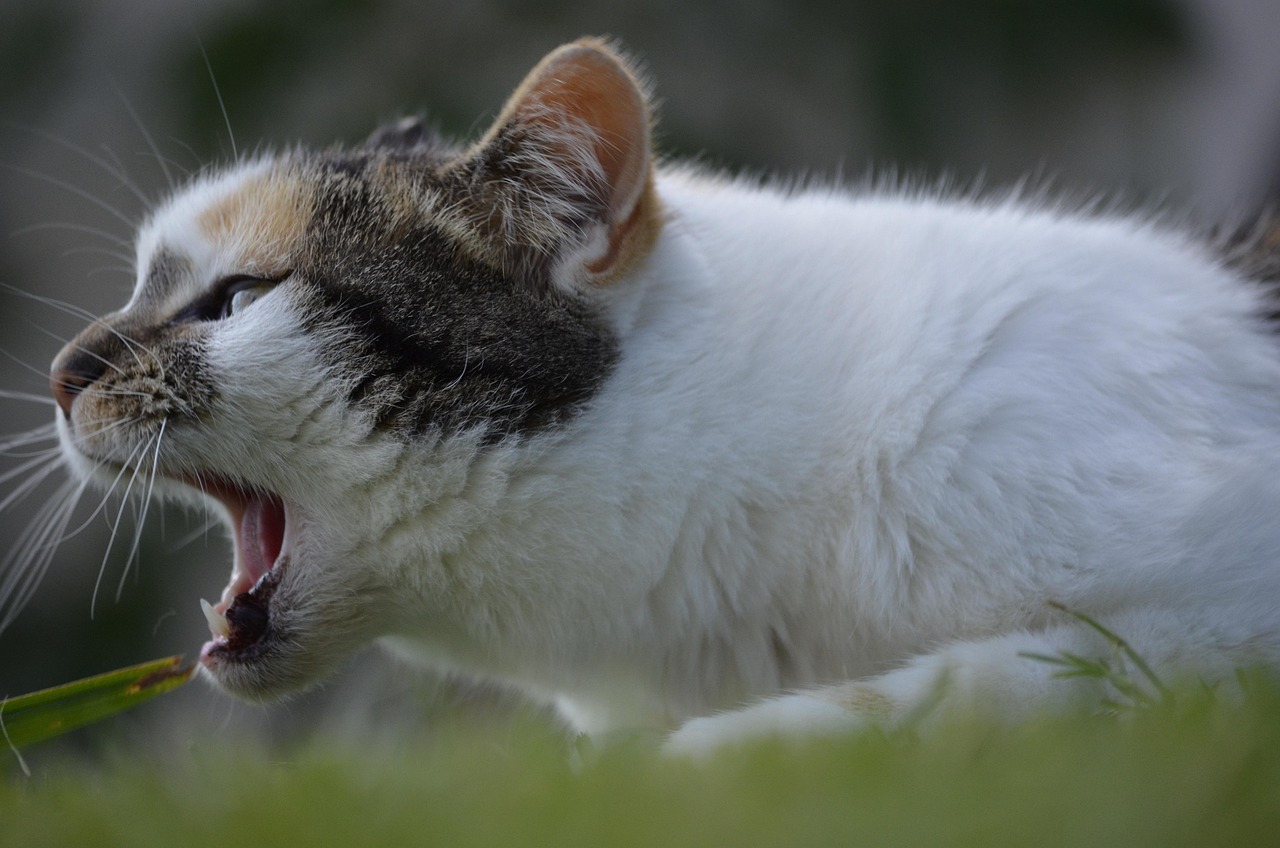
Vocalization serves as a critical communication tool for cats, allowing them to express their needs and emotions. Beyond meowing, cats utilize a plethora of sounds, including purring, hissing, and growling, each conveying different meanings. Meowing often signifies a request for attention, food, or play. Conversely, sounds like growling or hissing indicate discomfort or aggression. The context in which these sounds are made is essential for interpretation; for instance, a purring cat can exhibit contentment or stress, depending on the situation. Owners should become familiar with their cat’s specific vocal cues, ensuring they understand the nuances behind their pet’s sounds. By recognizing these cues, they can respond appropriately, strengthening their bond and creating a positive feedback loop in communication. Moreover, a cat’s tone, pitch, and frequency can change based on its emotional state, making attentive listening vital. Some cats may develop unique sounds or vocalizations that signal their needs specifically to their owners, showcasing the depth of their communication abilities.
Interestingly, cats can also adapt their vocalizations to engage their human companions better. Some studies suggest that cats will change the pitch or frequency of their meows to elicit a more responsive reaction from their owners. This phenomenon reflects the social intelligence of cats, which enables them to navigate their relationships with humans effectively. For instance, a higher-pitched sound may trigger a nurturing response from a person, while lower frequencies could signal independence or dominance. Furthermore, cats can mimic human sounds, demonstrating their adaptability and desire for interaction. This form of mimicry can be a playful way for a cat to engage with its environment or simply a strategy to capture its owner’s attention. As cats continue to communicate with their owners, they refine their vocal techniques, often learning which sounds yield the best responses. This adaptive behavior emphasizes the importance of understanding your cat’s communication style and responding thoughtfully. Paying attention to these vocalizations can help owners provide a better living environment for their beloved pets.
The Impact of Health on Vocalization
The health of a cat significantly influences its vocal behavior. Various medical conditions can lead to changes in vocalization, such as hyperthyroidism, which may increase vocalizations, sometimes leading to excessive meowing. Conversely, dental pain or other health issues may cause a reduction in vocal expressions, signaling that something is amiss. Regular check-ups are crucial for early detection and treatment of ailments that could affect vocal habits. Even behavioral health plays a part; anxiety and stress can alter how often cats vocalize, making it vital for owners to understand any environmental factors contributing to potential distress. Changes in routine, new pets, or moving homes can all lead to increased anxiety in cats. Observing these changes in vocal patterns allows owners to address their cats’ needs promptly. A vocal cat may require reassurance, more interactive playtime, or changes in its environment. Awareness of the connection between health and vocalization empowers owners to make informed decisions to maintain their feline companion’s well-being. Their responsive action can significantly enhance their cats’ quality of life.
In addition to health-related issues, the age of a cat also impacts its vocalization. Younger cats tend to be more vocal due to their playful nature and desire for interaction. As cats age, they may become less vocal for various reasons. Changes in hearing or the onset of health conditions can diminish a cat’s urge to communicate. Older cats may also adopt a quieter approach as they establish their familiarity with their surroundings. However, some elderly cats may vocalize more due to anxiety or confusion, which could indicate the need for medical or behavioral support. Observant owners should consider these age-related factors when interpreting their cat’s behavior. Fostering a comforting environment can help older cats feel secure, potentially influencing vocalization positively. Owners can ensure their older cats maintain an enriching lifestyle, including engaging activities to stimulate interaction. Ultimately, understanding age dynamics with kitty vocal habits encourages owners to adapt their care strategies. Maintaining a healthy level of interaction throughout all life stages promotes a stronger bond and happier feline companions.
Conclusion: Embracing Cat Communication
Understanding the reasons behind a cat’s vocal behavior encourages deeper connections between pets and their owners. Factors such as breed, environment, health, and age all contribute to vocalization patterns, so paying attention to these variables can make a significant difference. Cats rely on their vocalizations to express everything from pleasure to discomfort. When owners recognize individual traits and changing needs, they foster a more supportive and understanding environment. Engaging in regular communication with your cat, whether through vocal responses or physical interactions, reinforces their sense of security and belonging. Furthermore, intertwined with observation, this proactive approach allows owners to cater to their pets’ emotional wellness holistically. As you evolve your understanding of feline vocalization, remember that every cat has its distinct form of communication, requiring patience and attentiveness to fully appreciate. By embracing these aspects of cat communication, owners can cultivate enriched, loving relationships with their furry companions, ensuring that both pets and their owners live fulfilling lives together. Ultimately, the world of cat sounds offers a rich tapestry of meaning, forever enriching our bonds with these incredible animals.
Ultimately, understanding cat communication is a journey that fosters deeper relationships with our feline companions. When we listen, observe, and interpret our cats’ vocalizations meaningfully, we not only respond effectively but also create a bridge that enhances mutual understanding. As each cat possesses its unique personality, their communication styles reflect personal unlike any other species. The journey to understanding this complex language is not only rewarding for the owner but transforms the pet’s life. Providing an environment where vocalization is encouraged fosters confidence and strengthens the human-cat bond. Communication extends beyond mere sounds; it incorporates body language, behavior, and instinctual responses that accompany vocalization. By tapping into this multi-faceted communication style, we empower ourselves as attentive companions and guardians of their emotional needs. The joy found in exploring this language deepens our connection with our beloved pets, encouraging healthier and happier lives. By appreciating their individual voices, we enhance our ability to communicate with them in meaningful ways. In doing so, we create a sanctuary where both human and feline thrive, celebrating the allure of their unique sounds and interactions.