
Best Practices for Cleaning Your Dog’s Urinary Area
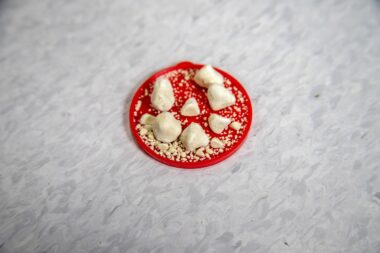
A healthy pet is a happy pet, and maintaining your dog’s urinary health is an integral part of overall well-being. Keeping their urinary area clean prevents infections and irritations that can distress your dog and lead to serious health challenges. Start with regular grooming. Depending on your dog’s breed, brushing may be necessary to prevent matting and accumulation of dirt in the urinary area. Ensuring cleanliness post-walk is also critical; use moist wipes specifically designed for pets that help remove harmful bacteria and debris. Increase water consumption as well, which can help dilute urine and reduce the chances of urinary crystals or stones. Aside from hygiene, monitor your dog’s eating habits and bathroom behaviors; changes may indicate health issues. Consistent cleaning is essential. Familiarize yourself with safe cleaning products for pet areas. This will ensure you avoid harsh chemicals that could harm your pet. Finally, regular vet check-ups will allow for professional advice tailored to your dog’s needs, making it easier to create a proactive urinary health strategy. Your canine companion will feel much more comfortable and confident with proper care.
Choosing the Right Cleaning Products
When dealing with your dog’s urinary area, it is imperative to select effective and pet-friendly cleaning products. Many household cleaners contain harsh chemicals unsuitable for dogs, potentially leading to adverse reactions or harm. Opt instead for biodegradable or enzymatic cleaners specifically designed for pet messes, as they break down organic stains without being harmful. Check ingredient lists carefully; the absence of bleach, ammonia, and parabens is critical for safety. Natural products like vinegar or baking soda can effectively neutralize odors and disinfect surfaces. Using microfiber cloths helps capture the dirt without scratching surfaces and allows for efficient cleaning. Always ensure that any product used is compatible with your pet’s environment. Try testing a small area first to gauge effectiveness before applying it more broadly. Educate yourself on cleaning frequencies; regular, scheduled cleanups are vital in controlling bacteria and maintaining a fresher space. You can also establish a dedicated dog-care cleaning bag, stocked with necessary supplies, simplifying your cleaning routine, and making it easier to maintain your dog’s hygiene without unnecessary hassle.
Maintaining your dog’s urinary area requires vigilance when it comes to noticing changes. Keeping track of your pet’s usual habits, including urination frequency and appearance, plays a significant role in urinary health. Changes in urine color, smell, or frequency can indicate potential health issues that require immediate veterinary attention. For instance, blood in the urine or an increase in urination frequency could signify a urinary tract infection or other serious conditions. Encourage your dog to drink plenty of water to keep their urinary tract functioning optimally. Making fresh water available at all times and considering incorporating wet food can stimulate water intake. Additionally, creating a routine for bathroom breaks can help. Schedule regular outdoor trips, giving them ample opportunities to relieve themselves. Also, be mindful of the surface where your dog usually goes. Concrete and gravel can irritate sensitive areas; try to choose softer surfaces where possible. And while it may seem excessive, being aware of your dog’s posture during urination can identify distress. A vigilant owner can catch problems early. All these practices foster a healthy urinary system.
Grooming Tips for Urinary Health
Proper grooming is an often-overlooked aspect of your dog’s urinary health. Invest in quality grooming tools suited to your dog’s breed. Regularly brush your dog, especially if they are a long-haired breed. This helps prevent matting around the urinary area, which can trap urine and bacteria. Regular baths help wash away any residual odors and dirt that may contribute to urinary infections. Focus on gentle cleaning around sensitive areas during baths, utilizing pet-friendly shampoos. Post-bath, ensure your dog is completely dried, as dampness may lead to skin irritations. If your dog has long fur around their genital area, consider a trim; this will aid in maintaining hygiene and comfort. You should also inspect their skin for any signs of irritation or unusual odors during grooming sessions. Should you notice anything out of place, consult your veterinarian. Regular grooming appointments with a professional also support urinary health; groomers often have specific tips for maintaining a clean and healthy urinary environment tailored to various dog breeds. And additionally, a well-groomed pet can help build a stronger bond between you and your dog.
Diet plays a crucial role in urinary health for dogs; hence, feeding them high-quality food is essential. High moisture content in food can enhance hydration, supporting urinary tract function. Avoid dog foods containing excessive protein, as these can contribute to urinary stones in some breeds. Consider foods that contain cranberries; they have natural properties that promote urinary health. Always read the labels to ensure avoidance of artificial additives that may harm your dog. Consult your veterinarian to determine the best dietary option for your specific dog, especially if they have pre-existing health conditions. If your furry friend is prone to urinary issues, a specialized prescription diet may be advised. Regular feeding schedules also contribute to their overall well-being. Frequent meals may reduce the chance of concentrated urine formation, decreasing urinary problems. Additionally, providing dietary supplements could enhance urinary tract health, but always do so with veterinary guidance. Incorporating a fiber-rich diet can also help prevent urinary problems by promoting good digestion. Prioritizing a balanced diet is crucial; proper nutrition leads to robust health and happier lives for both you and your dog.
Creating a Healthy Environment
Maintaining a clean environment is integral to your dog’s urinary health. Designate specific areas for your dog to relieve themselves, especially if you live in an apartment or densely populated area. This gives you total control over cleanliness. Each time your dog goes outside, always ensure you clean up after them to prevent bacteria from returning to their environment. Use bags that are convenient and avoid places that have high foot traffic when going for walks. Ensure your dog has access to fresh and clean water daily, as hydration helps prevent urinary tract infections. Create a consistent routine that fosters a sense of security for your dog, allowing them frequent bathroom breaks. Offering plenty of outdoor playtime can stimulate urination while promoting exercise. Refrain from using strong-smelling cleaners in their bathroom area, as these can be irritating. Try to ensure your home has positive air circulation and is kept dry, preventing mold growth or unwanted odors. Lastly, providing them with a comfortable place to rest will contribute to their overall well-being, including urinary health. A positive environment leads to happy and healthy dogs.
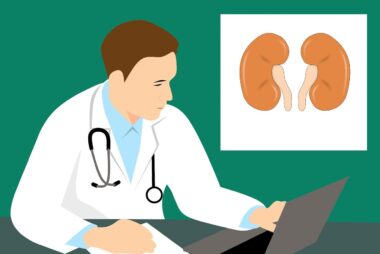
Lastly, frequent veterinary visits are essential for maintaining your dog’s urinary health. Regular check-ups can catch any potential issues early before they escalate into severe problems. Depending on your dog’s age and breed, your veterinary professional may suggest periodic urinalysis or blood tests to monitor kidney function and overall health. Such tests can assess any abnormalities that may affect urinary health, including crystals, bacteria, or infections. Have open communication with your vet; share any changes in behavior or appetite to assist in diagnosing problems. Creating a healthcare plan tailored to your dog’s specific needs is advisable. Discuss options that may include vaccinations or dietary changes that boost urinary function. Furthermore, ensure that your dog is up-to-date with flea and tick prevention, as these parasites can also contribute to health issues ultimately affecting urinary health. Listening to your dog’s needs and understanding behavioral changes can often alert you to developing health problems. With your commitment to their care, your dog can live a longer, happier life free from urinary complications. By fostering these practices, you’re taking proactive steps toward your beloved pet’s health and happiness.