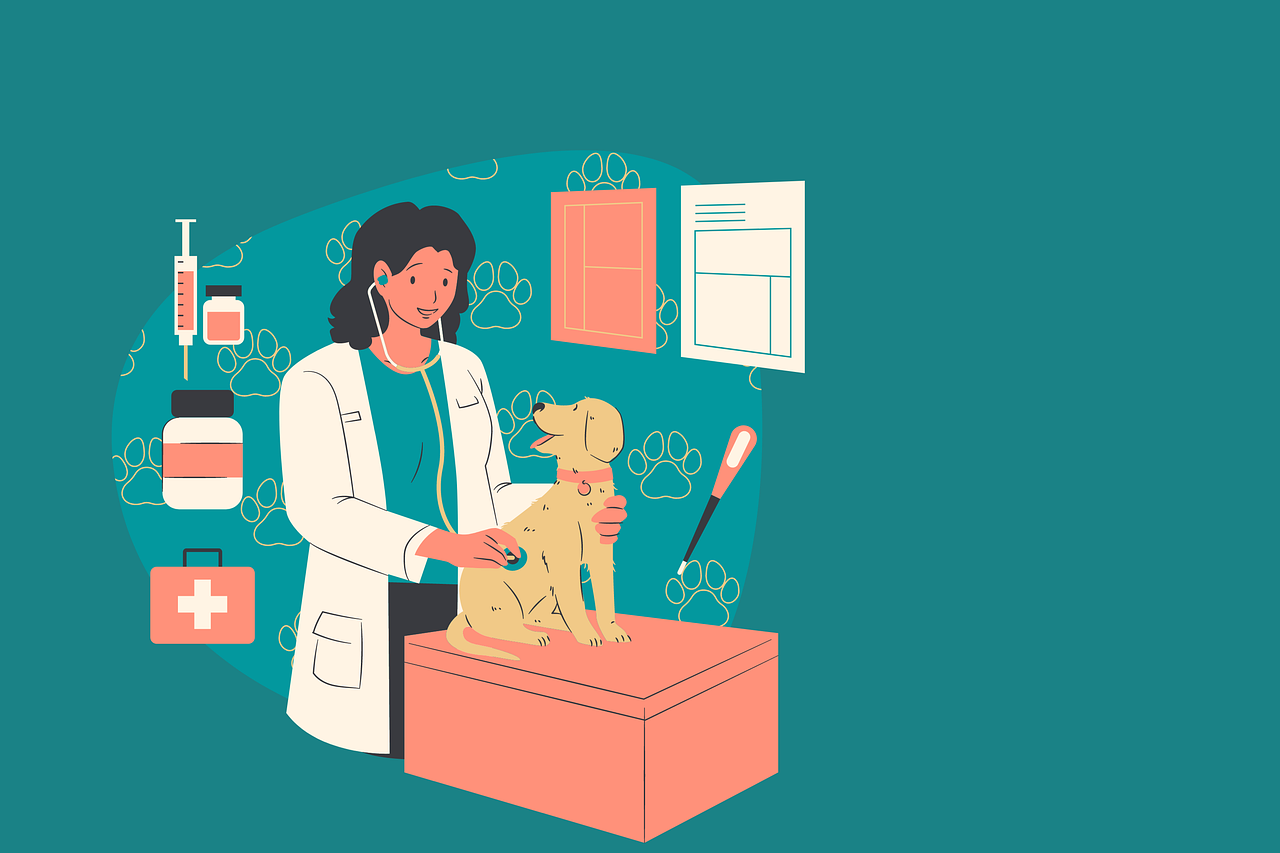

Dealing with Parasites: Fleas, Ticks, and Worms in Puppies
Many new puppy owners often underestimate the importance of parasite control. Parasites such as fleas, ticks, and worms can wreak havoc on a puppy’s health. Fleas not only cause skin irritations but also can transmit diseases. Ticks can carry serious infections, while worms may compromise your puppy’s nutritional intake. Recognizing these threats is vital for preventing potential health issues. Always conduct routine checks on your puppy for any signs of infestation. Look for flea droppings, especially in the fur, and ensure to examine their skin for ticks or signs of irritation. Regular vet visits play a crucial role in managing these parasites effectively. Your veterinarian can offer guidance on preventive measures, including vaccinations and medications to keep your puppy safe. Proper hygiene and cleanliness in their living area help deter infestations. It’s equally important to treat other pets in the household to avoid cross-contamination. When treating for parasites, follow the advice of your veterinarian, ensuring that the products used are safe for puppies. Adopting a proactive approach can lead to a healthier and happier puppy, free from the burden of parasites.
Understanding Fleas and their Impact
Fleas are perhaps the most common external parasites affecting puppies. These tiny pests feed on blood, leading to anemia and severe discomfort for your puppy. Flea infestations can quickly escalate if not addressed. To manage fleas, it’s essential to use veterinary-approved flea treatments tailored for puppies. Topical treatments can be beneficial; however, ensure you choose age-appropriate products. Fleas can also carry tapeworms, which can infect your puppy if ingested. Regular grooming can aid in early detection, so comb your puppy diligently with a flea comb. Bathing your puppy with a flea shampoo designed for their age is another practical solution. Home environments should also be addressed; vacuuming regularly removes fleas and their eggs from carpets and fabric surfaces. Washing puppy bedding in hot water ensures a clean sleeping area, significantly reducing the chances of fleas returning. Consult your veterinarian for comprehensive advice on an effective flea control program. Flea collars can also offer added protection, but make sure they are safe for puppies. Early intervention is crucial for preventing fleas from becoming a significant health concern.
Ticks are another significant threat that puppy owners must recognize. These blood-sucking parasites can attach to your puppy’s skin and transmit deadly diseases such as Lyme disease and Rocky Mountain spotted fever. Checking your puppy for ticks after walks, especially in grassy and wooded areas, is essential. Use tweezers to remove ticks correctly and consult your veterinarian if you suspect disease transmission. Several forms of tick prevention are available, including topical solutions, collars, and oral medications. It’s essential to choose a product specifically designed for puppies to ensure their safety. Also, keep your yard tidy; regularly mowing the lawn and trimming bushes minimizes tick habitats. Consult with your vet about the best tick prevention strategy based on local tick activity. The goal is to create an environment as hostile to ticks as possible. Educating yourself about the life cycle of ticks can be beneficial in managing them effectively. Knowing how they thrive will help you identify high-risk periods and adjust your preventive measures accordingly. Remember, consistency is critical, as missed doses of tick prevention can leave your puppy vulnerable.
Recognizing and Treating Worm Infestations
Worms pose a severe health risk for puppies, commonly including roundworms, tapeworms, and hookworms. These parasites can lead to malnutrition, stunted growth, and other health complications. Worms can be transmitted through contaminated water, food, or the environment. Symptoms of infestation can vary, so look for signs such as weight loss, bloating, and abnormal stool. Regular vet check-ups can help identify infestations early. Deworming treatments are essential in controlling these parasites and should be administered according to your veterinarian’s guidance. Most puppies require a deworming schedule that includes treatments at various stages of their growth. Additionally, maintaining a clean environment can help prevent reinfections; regular cleaning of your puppy’s living area is critical. Ensure safe play areas that are free from feces, as this helps minimize contamination risks. Feeding your puppy high-quality, nutritious food will strengthen their immune system against such infections. Also, providing fresh, clean water is mandatory. Monitor your puppy closely and report any worrying signs to your vet immediately. Prompt action and attention to detail can significantly contribute to your puppy’s overall health and well-being.
Preventive care plays an extraordinarily vital role in maintaining the health of your puppy against these parasites. Vaccinations, regular check-ups, and proper hygiene practices are critical components. Discuss all available preventive medications with your veterinarian, considering your puppy’s age, breed, and overall health. For fleas, ticks, and worms, using a combination of treatments is often the most effective approach. Some products are available as multi-action solutions, targeting more than one type of parasite at a time. Be sure to follow the instructions carefully, as incorrect dosages can lead to adverse effects. Continuous education is essential; stay informed about new treatment methods and emerging health concerns related to parasites. Joining online forums or local puppy care groups may provide additional insight and support. It’s also beneficial to share experiences with fellow puppy owners to develop effective strategies for preventive care. Prioritizing parasite prevention not only protects your puppy’s health but also enhances your bond with them as a caring owner. The joy of watching your puppy grow up happy and healthy is truly rewarding and stems from your active involvement in their care.
Conclusion: A Healthy Start for Your Puppy
Beginning your journey with your puppy equipped with knowledge about parasites is vital. Effective parasite management ensures a healthy and happy life for your furry friend. Remaining engaged in your puppy’s health care by scheduling regular vet visits creates a proactive approach. Also, maintaining an open dialogue with your veterinarian about your concerns can help tailor solutions specific to your puppy’s needs. Familiarize yourself with the telltale signs of infestations, as early detection leads to better treatment outcomes. Furthermore, staying consistent with preventive measures can significantly reduce the risk of parasites. Each breed may have specific vulnerabilities, so understanding your puppy’s breed characteristics can help in your prevention strategy. Following the guidelines provided and remaining vigilant will protect your beloved pet against these threats. Healthy puppies become the companions we cherish and enjoy for years to come. With dedication and care, you can ensure that your puppy leads a joyful, active life free from the burden of parasites. Remember, their well-being directly correlates with your efforts as a responsible owner dedicated to personal health and happiness.
In summary, parasite management is a crucial aspect of responsible puppy ownership. Fleas, ticks, and worms can have devastating effects on your puppy’s health if not properly managed. Ensure you are equipped with the necessary knowledge to identify, prevent, and treat these common issues. Consult and collaborate with your veterinarian for the best strategies tailored to your puppy’s health. From grooming routines and preventive medications to maintaining cleanliness, every little action counts. Engage in a balanced care routine that includes nutrition, hygiene, and preventive measures. Your puppy relies on you to create a safe environment where they can thrive. With determination, patience, and love, you will see the joys of nurturing a healthy puppy. The bond you build through understanding and care will last a lifetime. A parasite-free puppy leads to a happier home, and investing time in their health pays off significantly. Take the initiative now and prioritize your puppy’s well-being, leading them toward a healthy future filled with adventures and fun. Your commitment makes all the difference in their life journey.