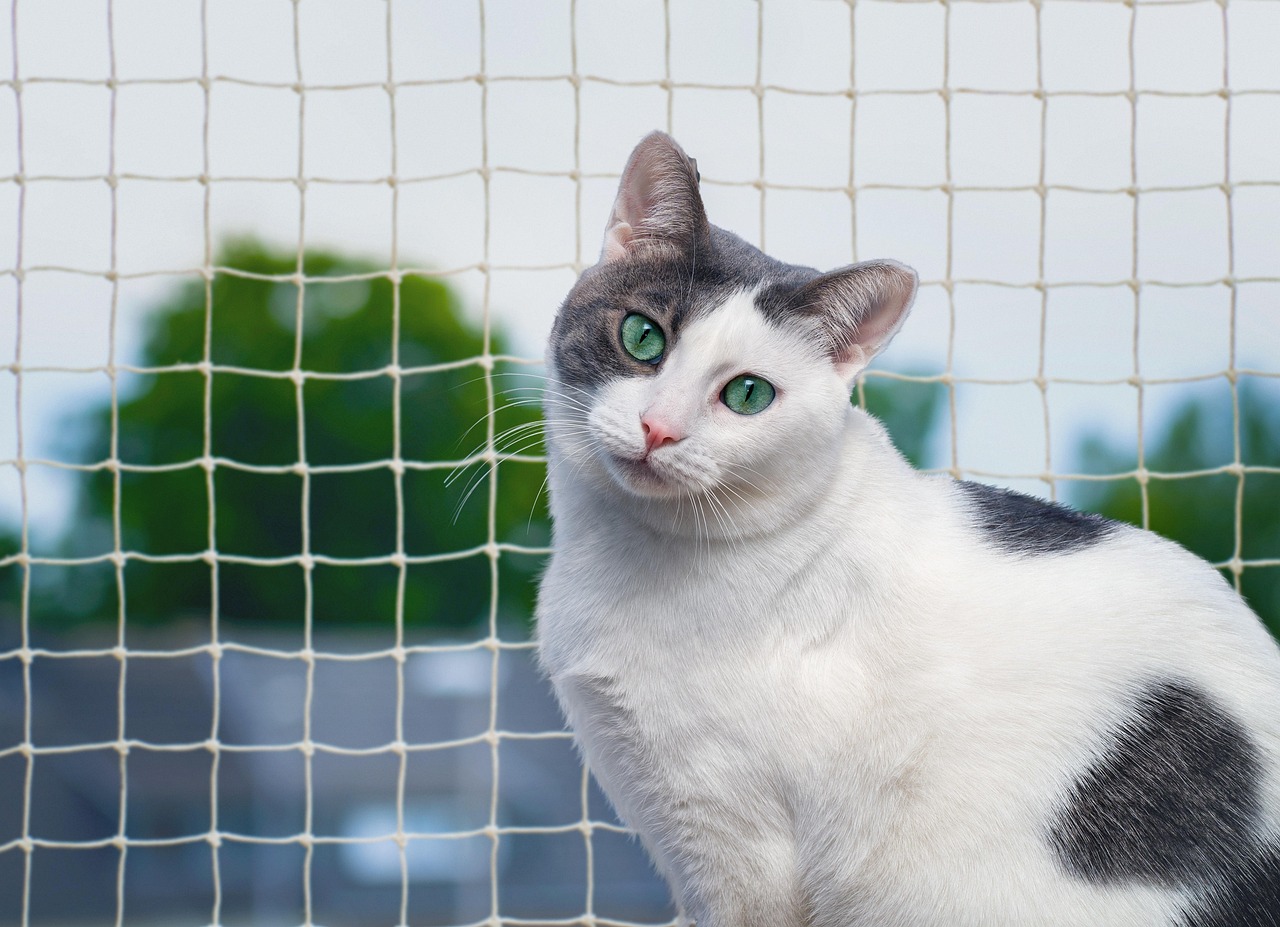

How to Create a Safe Space for Your Cat Amidst Renovation Chaos
Home renovations can pose a significant threat to the comfort and safety of your cat. As you plan your renovation, it’s vital to create a designated safe space for your feline friend. To start, choose an area in your home that is far removed from the renovation activities. This space should be quiet, devoid of noise, and far from potential hazards. A familiar environment helps to mitigate stress and anxiety for your cat. Make sure this area is furnished with their essentials: food, water, litter box, scratching post, and cozy bedding. Cats are territorial creatures, so they’ll appreciate a private area where they feel secure. Consider placing their favorite toys in this space to keep them entertained during the renovation. Additionally, you could use a calming pheromone diffuser to help ease their nerves. Regularly check on your cat during the renovations, ensuring they have everything they need. Close off this area to ensure your cat remains undisturbed and safe from tools, dust, and disturbing noises. This proactive step can help your cat stay calm through the chaos.
Involving your cat in safe space preparation further bonds you during this hectic time. You should consider using baby gates to restrict access to the renovation zone, making it harder for your cat to wander into dangerous areas. You can also keep the door to the designated safe area closed during the busiest renovation times. Ensure all windows are securely closed to prevent escapes if they get spooked. In addition, keep all potentially harmful substances, such as paint and cleaning products, well out of reach. It is crucial to ensure that any furniture or materials in your cat’s safe zone cannot be easily knocked over or accessed by your curious pet. Attention to detail will go a long way in preventing accidents. Providing a few vertical spaces, such as shelves or cat trees, can also give your cat a little curiosity without exposing them to danger. These areas encourage natural climbing behaviors while keeping them safely out of the way from renovations. Keep distractions minimal by turning off loud music or avoiding sudden movements around the location. Your cat’s safety should be the primary concern throughout the process.
Consider Your Cat’s Comfort
During renovations, your pet’s comfort is paramount. Stick to their regular feeding schedule and keep water fresh and available at all times. Cats thrive in regularity, and maintaining their routine can substantially reduce stress. The litter box should be cleaned consistently, especially with increased activity during renovations. If the litter box is situated in the renovation zone, consider relocating it temporarily to the safe space or another quiet area. Monitor your cat for any signs of stress such as excessive hiding, refusal to eat, or abnormal vocalizations. If you notice these behaviors, consult your veterinarian. Ensuring your cat is safe is not only regarding physical hazards but also mental well-being. Create cozy nooks in their safe area with blankets where they can curl up and feel secure. Interactive toys are a great way to keep your cat’s mind stimulated during this time and can help take their focus off the ongoing work. Allow them to explore their new space gradually, promoting confidence. Provide all bedding, toys, and food within easy reach to avoid unnecessary stress caused by wandering.
Managing noise during renovations is crucial for your cat’s comfort. Consider soundproofing their designated safe space with thick blankets or cushions to dampen construction noise. If possible, unplug loud machinery when not in use, giving your cat a respite from the incessant sounds. Play soft music or turn on a white noise machine to help mask disruptive sounds. This can soothe not only their nerves but might also provide a sense of normalcy amidst disruptions. Regularly spend time in this space with your cat, providing reassurance and affection. Your calming presence amidst chaos goes a long way in keeping them relaxed. If your cat consistently seems anxious, it might be worth considering temporary boarding facilities or a friend’s house to give both you and your cat relief from the renovation stress. Keeping doors and windows shut can prevent them from escaping outdoors during the renovations. Being mindful of their emotional status is just as important as physical safety. Cats feel more secure when their environment is stable, so prioritize minimizing disruptions in their familiar territory. Creating a nurturing environment will benefit both you and your feline friend during challenging times.
Update Your Cat’s Identification
During renovations, it’s crucial to ensure your cat’s identification is current. Whether it’s a collar with an ID tag or a microchip, having accurate contact information can be lifesaving. With all the movement and chaos, the risk of your cat escaping increases. Collars should be secure yet comfortable. Make sure to check that the collar hasn’t loosened during the renovation process. If you’ve recently moved or changed your phone number, make sure that info is updated accordingly. If your cat escapes due to renovation distractions, you’ll be grateful to have a quick method of contact for their safe return. Regularly monitor the microchip information through your veterinarian or the manufacturer to confirm its accuracy, especially if you have moved recently. It’s also worth considering temporary indoor cat harnesses—they help keep an eye on your cat should you need to bring them outside for any reason. If they get scared and run, having proper ID can prevent a lot of panic. Safety must come first during renovations. In tandem with maintaining a calm and protective environment, identification practices are equally essential.
Post-renovation, phase is crucial for assessment and adjustment regarding your cat’s environment. As the chaos calms down, gradually reintroduce your cat to the areas that were renovated. Offer plenty of treats and affection to ease their anxiety about the changes. Cats are creatures of habit, so they may be wary about the new environments. Use gradual introductions to help them acclimate to the new space. Walk with them throughout their home, pointing out changes and even creating new routines where needed. Observe their behavior closely during this transition, looking for signs of stress or reluctance. If needed, take a more extended approach to reintroduce your cat to particular areas. It might take time and patience for your cat to feel comfortable again. Remember, every cat is different, and some are more sensitive to changes than others. Continue using calming aids during the transition phase, such as pheromones and stress-relief toys. Positive reinforcement can assist in bridging the emotional gap and alleviating apprehension. Transitioning gradually sets a new normal, making it easier for your feline friend to adapt.
Conclusion
In conclusion, creating a safe space for your cat during home renovations is a proactive approach that promotes their safety and comfort. Taking a few precautionary steps will ensure a smoother experience for both you and your pet. By selecting a quiet area and equipping it with essentials, while minimizing exposure to noises and possible dangers, your cat can feel secure. Consider implementing consistent routines to help maintain a sense of stability amid chaos. Additionally, prioritize identification measures to safeguard against potential escapes. Lastly, transition them carefully back into their regular spaces post-renovation for optimal comfort and adaptation. Always listen to your cat’s cues; understanding their behavior is key in such scenarios. Consulting with a veterinarian for anxiety help can be a useful strategy, ensuring their emotional well-being throughout this hectic period. Keeping all these strategies in mind makes it easier to navigate the renovation process while keeping your beloved pet safe and happy. With the right approach, home renovations do not need to compromise your cat’s safety. Instead, with careful planning, this transitional period can foster a stronger bond with your feline friend.
With safety and comfort in mind, you will turn a stressful situation into a manageable one for your furry companion.