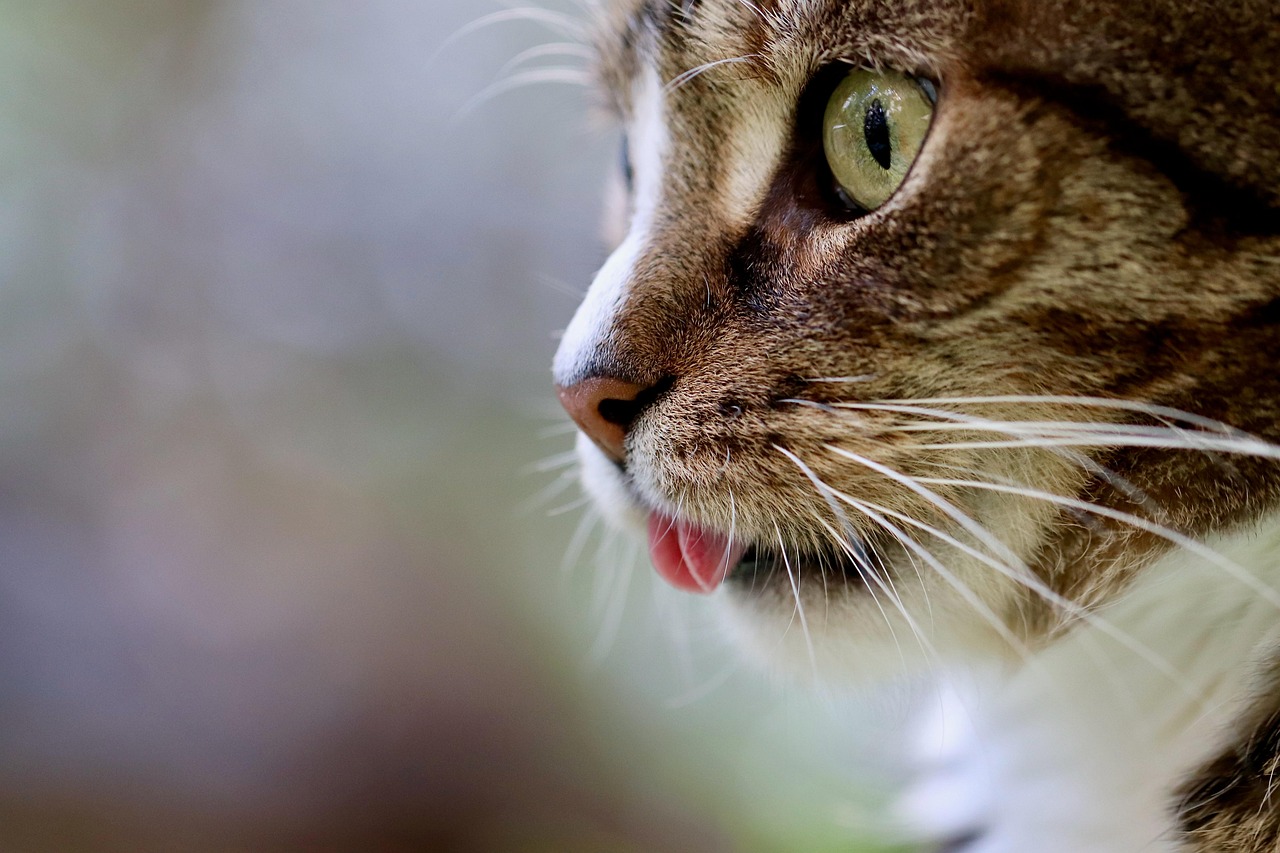

Nutritional Genomics: Personalized Diets for Cats Based on Genetic Research
Understanding cat nutrition has become increasingly advanced, with nutritional genomics paving the way for innovative dietary solutions. Research reveals the connections between genetics and dietary requirements, allowing for tailored nutritional plans for our feline friends. Nutritionists and veterinarians now explore how genetic variations among cats influence their responses to different food types. This personalized approach to diet offers various benefits, such as improving overall health, enhancing energy levels, and even supporting specific medical conditions. By examining the genetic makeup of each cat, pet owners can provide a more suitable diet, taking into account their unique needs. The implications of this research extend beyond just basic feeding, transforming how we understand and implement cat nutrition in daily life. These personalized diets can also contribute to longer, healthier lives for our cats. Through advancing knowledge, we can ensure that our pets receive the optimal nutrients necessary for their unique genetic composition, resulting in improved well-being across generations. This exciting field continues to evolve, presenting new opportunities to cater to our feline companions’ needs.
Recent studies in nutritional genomics indicate that different cat breeds display variations in nutrient metabolism. Specific genes affect the digestion and absorption of key nutrients, highlighting the necessity for breed-specific dietary formulations. For instance, Siamese cats may metabolize proteins differently than Maine Coons, suggesting tailored nutrition could significantly enhance their health and vitality. By analyzing these genetic markers, researchers aim to develop targeted diets that align with these inherent nutritional requirements. Such advancements could prevent health issues linked to improper feeding practices, particularly in breeds prone to obesity or diabetes. Additionally, veterinarians can utilize genetic insights to recommend appropriate dietary modifications based on a cat’s genetic predisposition to certain health conditions. The integration of genomic data into diet planning not only improves health outcomes but also enriches the quality of life for our furry friends. Nutrition tailored to genetic profiles facilitates a deeper understanding of feline nutrition throughout their life stages. As research progresses, it is critical for pet owners to stay informed about updates in dietary guidelines and recommendations concerning their cats’ unique genetic traits.
As we delve deeper into the implications of nutritional genomics, it is important to consider the role of data analysis. Large datasets involving genetic information from numerous cat breeds allow researchers to identify patterns and correlations that can guide future dietary recommendations. Machine learning algorithms enhance the analysis process, enabling scientists to predict how certain genetic markers affect nutrient demands. This technological integration accelerates discovery, helping to develop personalized diet plans rapidly. Studies have shown that precision feeding reduces health issues, supports optimal body conditions, and ensures that cats thrive on diets specifically tailored to their genetic structure. Importantly, such progress highlights the importance of collaboration among geneticists, nutritionists, and veterinarians. Each group contributes unique expertise, creating a comprehensive approach to understanding and optimizing cat diets. As pet owners become more engaged in the genetic aspects of feline nutrition, businesses will increasingly respond to consumer demands by offering customized diet options. As a result, the future of pet food could evolve significantly, with personalized nutrition being at the forefront of cat Dietary practices.
Genetic Testing for Nutritional Tailoring
Genetic testing for cats is becoming more popular within the realm of pet care. This method allows for insights into a cat’s genetic predispositions, bringing a data-driven perspective to dietary planning. Pet owners can learn about their cats’ nutritional needs by analyzing genetic results, which can unveil valuable information about their metabolism and requirements. Tests evaluate specific genetic markers linked to nutrient utilization, paving the way for personalized feeding protocols. By branching out into this field, pet owners can make informed choices about their cats’ diets. Moreover, addressing dietary needs based on genetic testing opens avenues for enhanced vet consultations, where precise recommendations can be made. Vets can guide owners on appropriate food types, ingredients, and formulations needed for their cats. The importance of understanding a cat’s genetic foundation can significantly influence nutritional needs and lead to promotional benefits. Customized nutrition enhances the relationship between owners and their pets, resulting in happier and healthier cats. With further advancements in genetic testing accessibility, more cat owners will likely embrace this initiative to optimize their pets’ nutrition.
Incorporating genetic insights into cat nutrition is exemplified through the advancements of specific diets crafted for health issues common among breeds. For instance, certain breeds may require increased levels of specific vitamins or minerals due to genetic predispositions. Tailoring these diets can not only promote longevity but also mitigate potential health complications. Nutritional genomics sheds light on how certain genes can influence a cat’s susceptibility to conditions like kidney disease or diabetes. Armed with these insights, pet food manufacturers can innovate to create breed-based formulations that cater to individual needs effectively. Regular assessment of nutritional profiles becomes crucial to ensure that evolving health concerns are addressed. Furthermore, feeding regimens may be adjusted over time as genetic understanding and feline dietary science progress. Success stories abound of cats who have thrived on these improved diets, illustrating the tangible effects of personalized nutrition. Meaningfully, a shift towards genetic consideration in diet planning indicates a revolutionary transformation in our approach toward cat health and nutrition, driving the future of cat care towards a more tailored experience.
Conclusion: The Future of Cat Nutrition
As we explore the future of cat nutrition through the lens of genomic research, the potential for innovation appears limitless. Nutritional genomics is reshaping our understanding of what optimal diets entail, paving the way for a new era of personalized pet care. With ongoing research and development, every component of a cat’s diet, from proteins to micronutrients, can be tailored according to their genetic makeup. This precision ensures that cats receive the most beneficial diets possible, leading to improved health outcomes. Moreover, breeders and shelters can adopt these insights for better health management, ensuring that they emphasize responsible breeding practices that consider genetic health. By fostering an informed and proactive approach to cat nutrition, pet owners can play a vital role in their cats’ quality of life. In conclusion, nutritional genomics stands to revolutionize how we approach feline diets, enhancing our ability to cater to individual dietary needs. This transformational shift underscores the growing importance of science and technology in pet food production, promoting a healthier lifestyle for cats everywhere.
In summary, the fusion of genetic research with cat nutrition breathes new life into our understanding of feline dietary needs. Nutritional genomics highlights the importance of addressing specific genetic profiles to ascertain precise nutrient requirements. The potential to tailor diets offers remarkable benefits, ensuring that each cat’s unique attributes are recognized and catered to. The adoption of personalized nutrition plans based on genetic research could revolutionize industry standards, influencing product formulations and marketing. As pet owners gain awareness and enthusiasm about these offerings, pet food manufacturers must innovate continuously. Enhanced education and communication about this emerging field become paramount for veterinarians and pet owners alike. Continuous engagement in research and dialogue helps to solidify advancements in personalized nutrition for cats, ensuring better health outcomes far into the future. Overall, the intersection of genetics and nutrition exemplifies scientific progress that consistently adapts to cater to pet wellness, signaling a bright future for feline health and nutrition. As we move forward, it is essential to embrace advancements and incorporate scientific discoveries into daily feeding practices to ensure optimum results.
With the acknowledgment of nutritional needs shaped by genetic research, the feline community is poised to embrace sophisticated methodologies that will enhance pet health. Accepting personalized nutrition based on genetic data represents pivotal progress, ultimately ensuring that diverse feline populations are catered to with remarkable accuracy. As the world embraces higher standards for pet care, nutritional genomics provides the tools necessary to offer comprehensive health solutions uniquely tailored. Each nutritional decision, informed by genomic insights, places the health and happiness of our beloved cats at the forefront, highlighting the need for responsible pet ownership in this evolving landscape. The transition from conventional feeding practices to personalized dietary solutions opens new pathways for improved quality of life. As research unfolds and the industry evolves, our understanding of these critical interconnections will deepen, bringing with it new opportunities for consumer engagement and education. Thus, the future of cat nutrition appears to be dynamic, aligned with scientific innovation and enhanced welfare standards. By combining the power of genetics with nutritional science, cats will experience tailored diets that reflect their distinct biological needs.