
The Use of Synthetic Pheromones for Cat Socialization
Understanding the role of scent in cat socialization is imperative for pet owners. Cats have a highly developed sense of smell, which is crucial for their social interactions. Scent signals enable them to recognize other cats and mark territories effectively. One of the most significant advancements in helping cats socialize is the introduction of synthetic pheromones. These are artificially created chemicals mimicking natural pheromones that influence a cat’s behavior. Synthetic pheromones can help calm anxious cats and encourage positive interactions, especially in multi-cat households. By signaling safety and comfort, these pheromones can reduce stress and anxiety related to environmental changes, thus promoting better social behavior. It’s essential to understand how to apply these products correctly for optimal results. Using diffusers, sprays, and wipes can make a huge difference in a cat’s comfort level. Pet owners often report improvements in behaviors such as aggression and hiding after consistent use. The right approach can create a more harmonious living space for both new and existing feline friends. Therefore, educating oneself on synthetic pheromones can be beneficial in achieving successful cat socialization.
In navigating the phases of cat socialization, it is important to recognize that not all cats respond to synthetic pheromones in the same way. While some cats might exhibit significant improvements, others may show minimal change. Several factors contribute to varying responses, including individual temperament, prior experiences, and the type of pheromone used. Additionally, the environment plays a critical role; a calm setting can enhance the effects of pheromones. It is essential to combine the pheromone usage with proper introductions and gradual exposure to new environments or other cats. Creating a safe space can help facilitate this process, allowing your feline to explore at their own pace. This method encourages positive associations and reduces fear-driven responses. Owners should also monitor their cats for any signs of stress or discomfort during socialization attempts. If behavioral issues persist, seeking advice from a veterinarian or a cat behaviorist may be necessary. Understanding that each cat is unique is vital in selecting the most effective strategies for their socialization needs. In doing so, pet owners can foster healthier relationships amongst their cats and improve overall well-being.
The Mechanism of Synthetic Pheromones
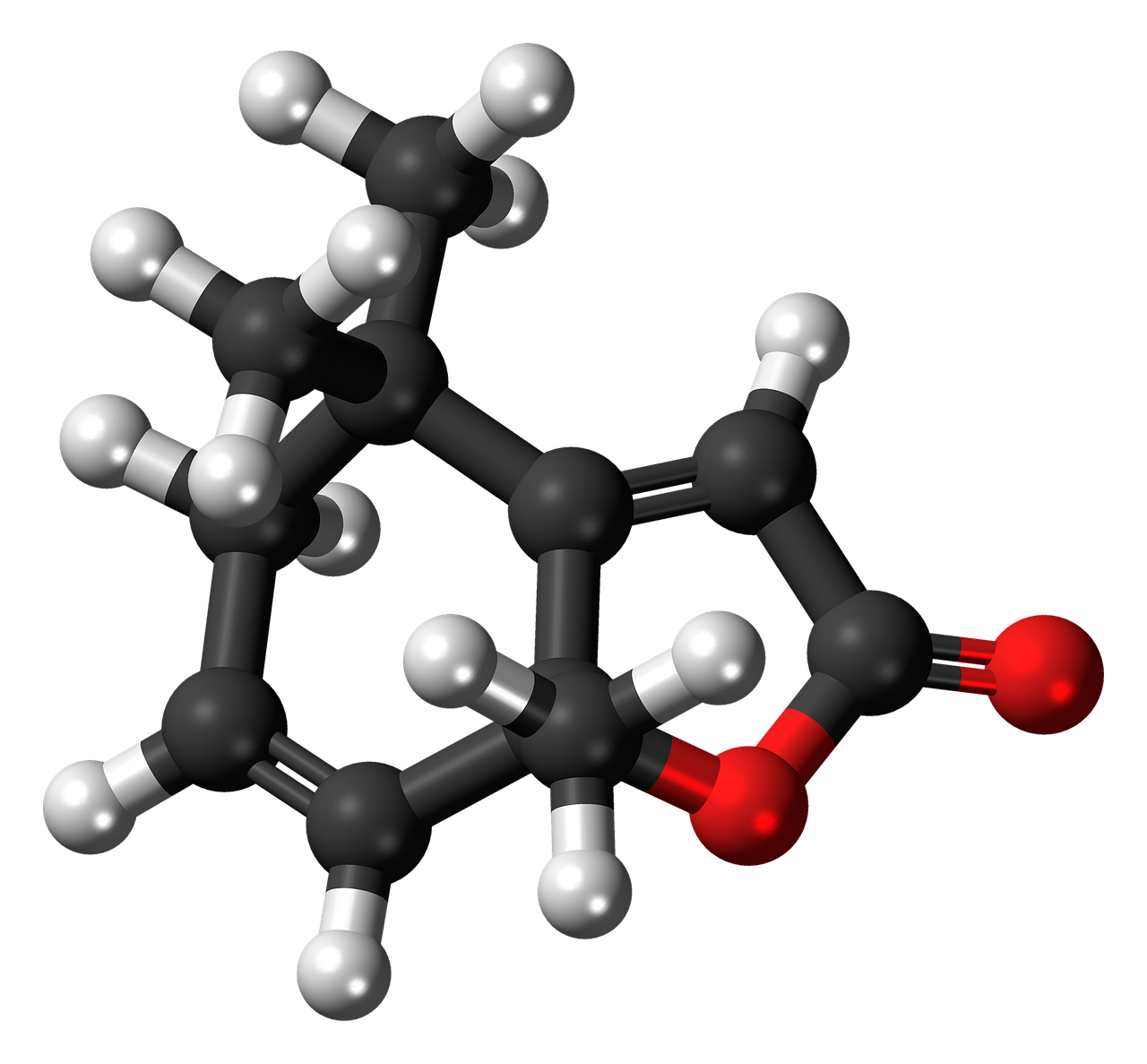
To grasp the impact of synthetic pheromones on cat socialization, it is essential to understand how these chemicals function. Synthetic pheromones can elicit specific behaviors and emotional responses in cats by acting on their vomeronasal organ, which detects these scent molecules. When a cat detects these pheromones, it triggers a hormonal response that can lead to feelings of safety and comfort in their environment. There are various types of synthetic pheromones available, each designed to address different behavioral issues. For example, Feliway is commonly used to reduce stress and territorial aggression. These products usually come in forms like diffusers, sprays, or collars. The efficacy of these solutions may depend on the size of the area and the concentration of the pheromones used. Regular replenishment of pheromones is often necessary to maintain their calming effects, especially in active or multi-pet households. Proper understanding and implementation of these pheromones can significantly impact a cat’s interactions with others and their overall emotional health when faced with new situations, such as moving to a new home.
When integrating synthetic pheromones into your cat’s routine, it’s beneficial to maintain realistic expectations. While these products can aid in socialization, they are not a magic solution. Successful socialization often requires a multi-faceted approach that involves time, patience, and positive reinforcement alongside pheromone use. Regular interaction routines, such as playtime and feeding, should still be established to deepen the bond between the cats and enhance the effectiveness of pheromones. Additionally, it is crucial to introduce cats slowly to one another, providing safe spaces to retreat when feeling overwhelmed. This strategy encourages a positive relationship and allows them to learn and adapt to each other’s presence gradually. Implementing a combination of pheromones with sound behavioral techniques will likely yield better results than relying solely on scent. It’s also advisable to keep an eye on your cats to ensure they are responding positively to the introduction. Any aggressive behavior may indicate that the socialization process needs to be reevaluated and approached anew with balanced methods tailored to their specific needs. This will promote a harmonious home.
Complementing Synthetic Pheromones with Training
Using synthetic pheromones should be complemented by structured behavioral training for the best socialization outcomes. Effective training approaches emphasize rewards and positive reinforcement to encourage desired behaviors. Rewarding cats for calm behaviors in the presence of other pets helps them associate each other with positive experiences. Having multiple positive interactions under the influence of calming pheromones can significantly ease anxiety. Furthermore, employing techniques such as clicker training can enhance socialization since it provides instant feedback, creating engaging experiences for the cats. Short, frequent training sessions work best, as cats have shorter attention spans. Also, the trainer’s demeanor influences the training environment—being calm and patient minimizes additional stress that could occur during socialization attempts. As part of the training, familiarizing cats with scents from each other can be beneficial; swapping bedding or toys can help build familiarity and reduce apprehensive behaviors. By bridging the gap between pheromone therapy and effective training tactics, pet owners can create a holistic environment that encourages trust among their feline companions. This balanced approach promotes a smoother transition during cat introductions and fosters long-lasting bonds.
The journey of cat socialization can be complex and requires careful consideration of each feline’s personality and needs. Synthetic pheromones can provide significant assistance in this process, but they are not standalone solutions. Cats thrive on routine, and maintaining their comfort during transitions is crucial. Owners should be attentive to their cats’ reactions to new situations or introductions, understanding when to slow down or reassess the environment. Additionally, providing opportunities for interactive play, safe exploration, and gradual exposure to new stimuli can help in implementing a successful socialization strategy. Cat-specific strategies will ultimately appeal to their instincts, making them feel secure while they open up to companionship. It is also important to seek advice from experts when faced with persistent behavioral issues that pheromones and socialization techniques do not resolve. In doing so, pet owners can benefit from tailored strategies that consider their specific circumstances and challenges. Keeping stressors low while encouraging natural interactions will foster healthier and happier relationships among cats, leading to thriving feline lives within the home environment. This will undoubtedly cultivate a richer experience for both cats and their owners.
Conclusion: Fostering a Positive Environment
In conclusion, the use of synthetic pheromones combined with effective socialization strategies can dramatically improve interactions among cats. Understanding the significance of scent and the way pheromones impact their behavior is crucial for pet owners. Regular environmental management, patient socialization techniques, and training can create an atmosphere conducive to healthy feline relationships. Moreover, pet owners should remain flexible in their approaches, adapting to the specific needs of their cats while paying attention to their emotional and physical well-being. This understanding fosters a nurturing environment where cats can thrive and enjoy one another’s companionship. As each cat’s response to synthetic pheromones may vary, maintaining consistent observation and adjustment in strategies will yield the best results. Through continuous learning and adapting to best practices, pet owners can feel confident in their ability to enhance the social dynamics in their homes. The goal is to create a peaceful and loving territory for all feline friends. Ultimately, their well-being is the primary consideration, ensuring they feel safe, loved, and integrated within their family unit.
The journey of socializing your cat can be both rewarding and challenging. A deeper understanding of synthetic pheromones and their role can yield tangible benefits in cat socialization, helping to create a harmonious living environment. Engaging in detailed observation and showing patience can transform the social landscape of your home, fostering healthy feline relationships that enhance overall pet satisfaction and happiness. Embracing these methods will prepare you for a more fulfilling relationship with your feline companions.