
Toys to Help Reduce Separation Anxiety in Dogs
Separation anxiety in dogs is a common issue faced by many pet owners. Dogs are social animals and often thrive on companionship. When left alone, many dogs experience stress and anxiety. To alleviate this problem, there are specific toys designed to engage and comfort dogs. These toys not only help distract your furry friend while you are away but also provide them with a sense of security. Look for plush toys that are soft, cuddly, and resemble their owner’s presence. Some toys are designed to be interactive, featuring puzzles or treats that can keep dogs entertained for hours. Additionally, consider durable chew toys that can withstand vigorous gnawing during stressful moments. It’s essential to rotate the toys to keep them fresh and exciting for your dog. Offer plenty of praise and excitement when introducing new toys, reinforcing positive associations with their use. Also, try leaving a piece of your clothing with your dog, as it may provide comfort. Ultimately, the right choices in toys will reduce anxiety and make your dog more comfortable in your absence.
In addition to traditional toys, there are electronic options available designed for play and interaction. These toys offer stimulation through movement and sound, which can significantly reduce feelings of loneliness in dogs. For example, automatic ball launchers entertain your dog by allowing them to retrieve balls without you needing to be present. Interactive toy options also help dogs engage their minds, which can reduce anxiety levels. Furthermore, some toys can dispense treats or food as dogs play, rewarding them and making their time alone more enjoyable. By keeping their minds engaged, these toys encourage dogs to focus on play rather than waiting anxiously for their owner’s return. It’s equally important to supervise your dog when introducing any new electronic toys to ensure they do not pose a choking hazard. Variety is key; therefore, investing in a range of toys can cater to your dog’s different moods and energy levels. Shopping for toys should also include considering your dog’s size and chewing strength to find appropriate items that will hold up over time. Give your dog the best chance to stay mentally stimulated and reduce anxiety.
Choosing the Right Chew Toy
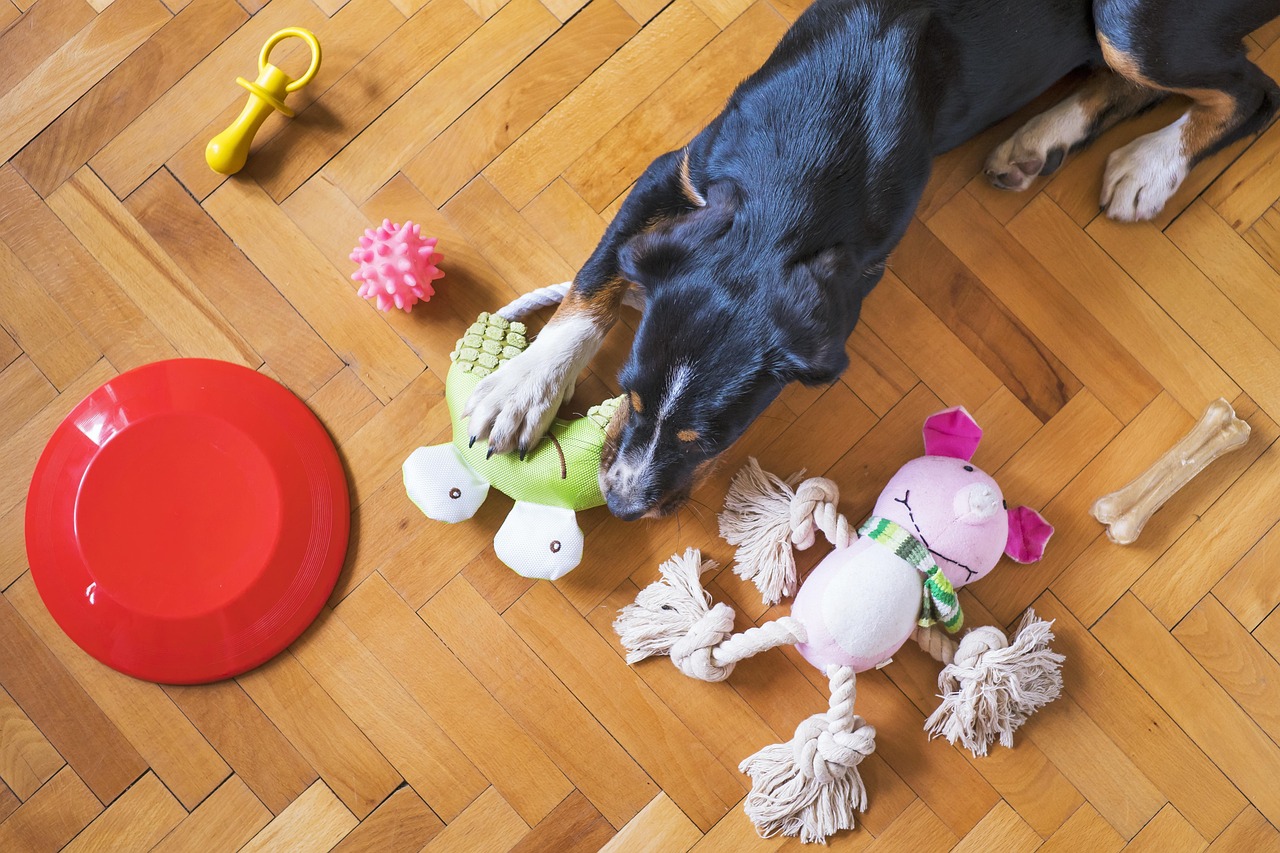
Choosing the right chew toy requires consideration of your dog’s specific needs and safety. Many dogs naturally chew on toys to relieve anxiety, especially when alone. Rubber toys are an excellent choice for heavy chewers, as they are sturdy and can withstand vigorous biting. Select options that are specifically designed for chewing, ensuring they have no small parts that could be swallowed. Ensure the toy is the correct size to prevent choking, as smaller toys may pose a danger for larger breeds. You might also look for toys that combine entertainment and dental health. Many chew toys feature textures that promote strong teeth and healthy gums, combining playtime with beneficial effects. Toys infused with enticing flavors can also attract your dog’s attention, encouraging long periods of interaction. To enhance your dog’s experience, you can fill some toys with treats to keep them engaged. Make sure to supervise your dog the first few times they have a new toy to ensure there are no adverse reactions. Using the right chew toys will provide comfort in stressful situations, easing separation anxiety when you leave the house.
Another effective strategy for managing separation anxiety is to provide toys equipped with scents or pheromones. These toys can mimic the soothing scents of your presence and create a calming environment for your pet. Many brands offer calming plush toys infused with natural scents that can help relieve your dog’s stress. Incorporating such toys into your dog’s routine can help foster a sense of security and comfort while they are alone. Additionally, consider using toys that make noise, as the sound can soothe dogs and keep their attention. Alternatively, chew toys filled with scent elements like lavender may promote relaxation. Introducing these toys during times of relaxation, such as before bed, can help establish a comforting association for your dog. Always monitor your dog’s interactions to ensure safety and security with these toys. Combine your efforts with gradual training techniques that teach your dog comfort in solitude. Overall, introducing scent-dispensing toys may help significantly reduce anxiety levels, creating a win-win situation when you leave for errands or work. Engaging your dog with these sensory toys will provide valuable ownership experiences.
Using Puzzle Toys for Mental Engagement
Puzzle toys are an innovative solution for dogs that experience separation anxiety. These toys are designed to challenge your dog mentally, encouraging problem-solving and rewarding their effort with treats. Engaging a dog’s mind can help distract them from feelings of anxiety associated with being left alone. Many puzzle toys have compartments for treats that your dog must figure out how to access. The process keeps their focus shifted from your absence to the task at hand. As your dog becomes familiar with the puzzles, they will increase in difficulty, providing continued stimulation. This ongoing challenge can improve your dog’s mental agility while reducing anxiety during those long hours alone. Choose toys that are suitable for your dog’s skill level, and make sure to observe them during playtime to ensure they don’t become frustrated. Pairing puzzle toys with your regular enriching activities will keep your pet excited during playtime, helping them remain calm. With a bit of encouragement, your dog will learn that being your loyal companion doesn’t have to be stressful when left alone.
Incorporating comfort items, such as blankets and clothing, can enhance the effectiveness of the toys you provide. Dogs often find solace in the smell and texture of familiar items. Providing soft, comforting blankets can help create a safe space your dog can retreat to when feeling anxious. When leaving your dog alone, consider placing a favorite blanket and familiar toy together, allowing your dog to feel secure and less isolated. The combination of toys and personal items fosters a sense of belonging, enabling them to cope better in your absence. You might also consider interactive toys that dispense treats throughout the day, keeping your dog busy and less anxious. Additionally, rotating toys can ensure sustained interest and keep boredom at bay. Taking the time to establish a comforting area in your home with these elements contributes to your dog’s overall well-being. By caring for their emotional needs, you are influencing their behavior positively. Remember that anxiety is manageable, and with patience and dedication, the right combination of toys and comfort items can help your dog feel safe and loved.
Tips for Introducing New Toys Gradually
Introducing new toys to your dog gradually is essential for success. Dogs can be hesitant regarding new objects, particularly if they are associated with moments of loneliness. Start by allowing your dog to explore the toy in a controlled and positive environment. Encourage them through active engagement by playing together. If your dog shows interest, reward this exploration with praise or treats. Allowing them to sniff and investigate the toy will instill curiosity and excitement, leading to better acceptance. Gradually increase the time that you leave your dog alone with the toy to build their comfort level. If they seem apprehensive, consider pairing the new toy with a favorite old one for familiar comfort. Regularly changing toys helps maintain interest levels in play. Also, monitor your dog’s playtime with new toys for signs of frustration or disinterest, and slowly introduce more challenging options as their confidence grows. With a little patience, you will help your dog develop an understanding that new toys are enjoyable and provide comfort, contributing to reducing anxiety.
Finally, remember that patience and consistency play key roles in addressing separation anxiety in dogs. Each dog is unique and may respond differently to new toys and strategies. Observing your dog’s reactions to different toys can guide your future training sessions and purchases. Keeping a calm demeanor while you leave will also help signal to your dog that everything is okay. Avoid creating a big fuss during departures or arrivals to curb excessive attachment behavior. Dogs learn from our actions and emotions, and maintaining a calm environment is essential. It’s also invaluable to combine playtime with training sessions to reinforce positive associations with being left alone. Building a daily routine will help your dog become accustomed to your schedule, thus reducing anxiety over time. With the right tools and approach, you can help them adjust to their time alone. Ultimately, the right dog toys can be instrumental in easing your pet’s anxiety and ensuring they remain content while you take care of your daily tasks away from home.