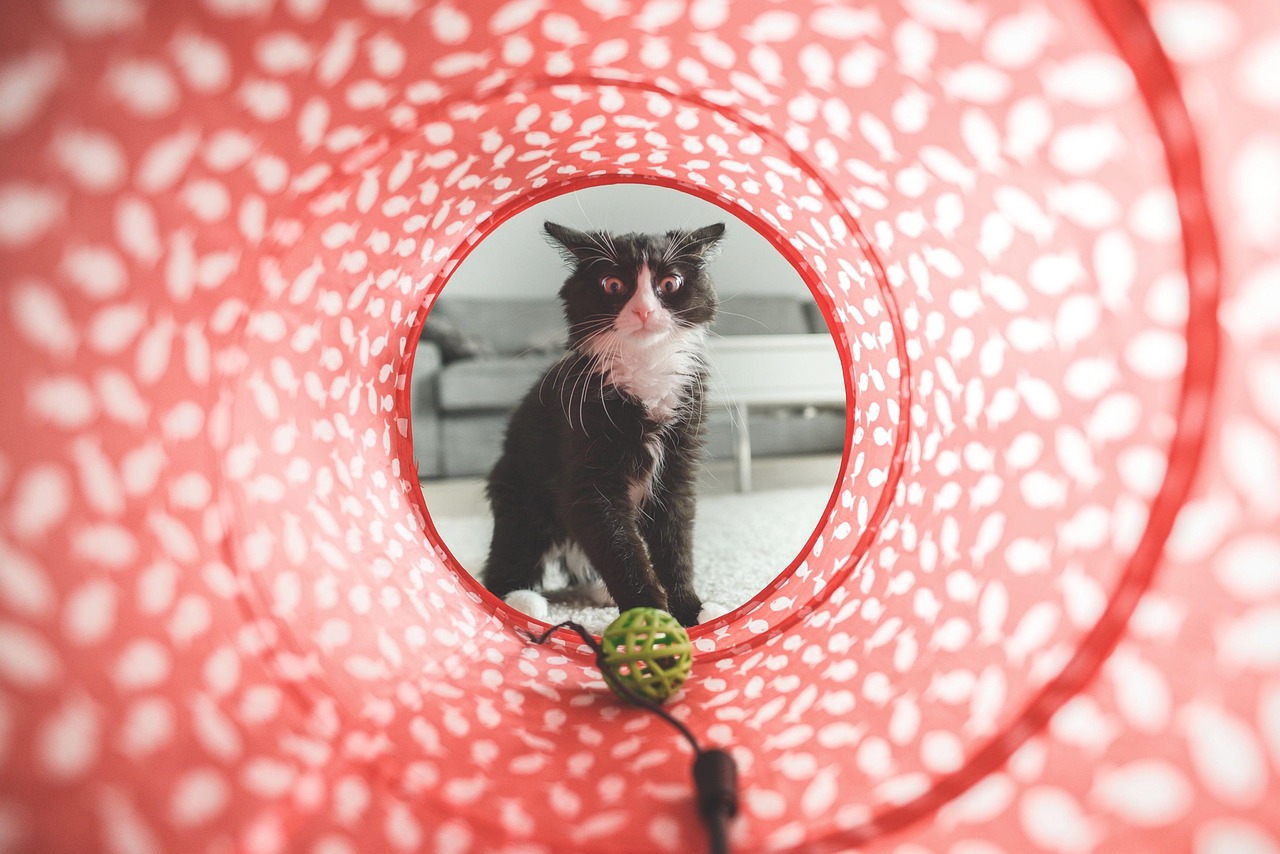

Understanding Your Cat’s Whisker Sensitivity Through Play
Cats are unique creatures that require specific environmental considerations to thrive. One prominent factor that often gets overlooked is whisker sensitivity. Whiskers, or vibrissae, serve as tactile sensory organs that help cats navigate their surroundings. Cats use these sensitive whiskers to gauge the width of spaces and detect nearby objects. However, when it comes to play, their sensitivity can make certain toys less enjoyable. Understanding your cat’s whisker sensitivity can lead to choosing the right toys that foster fun without discomfort. Cats can feel overwhelmed when their whiskers touch the sides of deep bowls or narrow toys. This discomfort can turn their playtime into a frustrating experience instead. Choosing toys that are designed with whisker-friendly attributes can enhance the overall play experience. Look for toys that have wide openings or are specifically labeled as whisker-friendly to ensure that your furry friend can fully enjoy their activity time. Such considerations can greatly enhance their interaction with the toys and promote more active play. A simple change can turn an ordinary playtime into an enriching and joyful experience for your beloved feline friend.
When selecting whisker-friendly toys, consider materials and shapes that cater to your cat’s comfort. Soft plush toys, feather wands, and interactive balls often provide sensory stimulation without the risk of whisker fatigue. Opt for toys that your cat can swat or bat around easily, as they are less likely to cause whisker-related discomfort. Additionally, try incorporating different textures for extra engagement. Cats vary in their preferences; some may favor crinkly materials while others love the feel of soft fabric. Trying a few different types can help you understand what your feline adores most. You may also want to look for puzzle toys that have treats inside; these keep your cat mentally stimulated while reducing whisker touchpoints. Remember, the goal is to create an enjoyable experience that encourages natural hunting behaviors without causing stress. By paying attention to how your cat interacts with various toys, you can adjust accordingly. If they seem frustrated or disinterested, it may be time to switch to another option. Engaging your cat in stimulating playtime can result in better mental health and physical activity.
Signs of Whisker Sensitivity in Cats
Recognizing signs of whisker sensitivity is essential for ensuring that your cat enjoys its playtime. Common behaviors include excessive pawing at toys, avoiding contact altogether, or showing signs of stress such as flattening ears or a twitching tail. When your feline seems uninterested or frustrated, it’s crucial to take note. Cats are adept at communicating discomfort and may instinctively choose to disengage during play if their whiskers are being irritated. Whiskers can become overstimulated when forcing their way through narrow spaces or tight toys. An observant cat owner will recognize these signs early and adapt their toy selection accordingly. Try to introduce a variety of options to see which ones are most comfortable for your pet. If you notice a consistent tendency toward avoidance or discomfort with certain toys, it may indicate a need to revise your choices. Ignoring these signs can lead to a decline in your cat’s well-being and enthusiasm for play. Offer different types of interactive toys that cater to their whisker sensitivity. Creating a positive play environment will encourage your feline friend to feel more secure and happy during their playful moments.
Beyond just choosing the right toys, facilitating a comfortable play environment can make a significant difference. Ensure that the play area is spacious enough for your cat to explore without feeling constrained. Cats often thrive when they have ample room to run, jump, and hide, which will also help reduce potential whisker irritation. Engage in interactive play sessions regularly to strengthen the bond between you and your pet. This interaction not only brings joy to your feline but also keeps them physically active. You can try using laser pointers or feather toys to encourage movement without the risk of whisker fatigue. Consider rotating toys periodically to maintain your cat’s interest in play; introducing new items can create excitement. Ensure all play areas are filled with engaging objects that stimulate their instinct to hunt. Remember, the objective is to ensure that your cat feels safe and happy while enjoying their time spent playing. A mixture of physical and mental stimulation is essential for overall cat health. By tailoring the play environment to your cat’s needs, you can enhance their enjoyment and well-being.
Creative Play Ideas for Cats
Engaging your cat with creative play ideas can significantly improve their overall well-being. One suggestion is to create a DIY obstacle course at home, using everyday items that provide both fun and challenge. Simple boxes or small furniture can serve as great climbing surfaces for your cat. This setup not only provides physical exercise but also encourages problem-solving skills. Hide treats within toys or around the house to stimulate their senses, making play a rewarding experience. You could also consider toys that encourage climbing or pouncing and can easily fit in your cat’s space without causing whisker irritation. Another option is interactive apps designed for cats that feature moving objects on a screen. Set aside playtime with you taking part in interactive games together; your presence alone can uplift your cat’s mood. Finally, remember that variety is the spice of life; mixing different activities can prevent monotony and keep your cat engaged. Observe their reactions to various play formats to hone in on those they’ll enjoy the most. Taking the time to discover their play preferences can be a fulfilling experience for both you and your beloved feline.
Furthermore, understanding the benefits of structured play sessions can enhance your cat’s enjoyment and offer valuable insights into their behavior. By allocating specific times to engage in play, your cat learns to anticipate the fun and enjoys the routine. Regularly scheduled playtimes can also help in strengthening the bond between pet and owner. This structure is especially beneficial for indoor cats, which require more stimulation to ward off boredom. Engaging in structured sessions allows the introduction of interactive toys that cater to their whisker sensitivity while facilitating their natural hunting instincts. Rotate toys to keep sessions fresh; unexpected variations pique interest and maintain their attention. Pay attention to your cat’s cues and adjust the pace and type of play accordingly. Some cats may prefer more laid-back activities, while others thrive on high-energy interaction. Monitor energy levels during play sessions; if your cat becomes fatigued, slow down to ensure they enjoy the experience. Following these fluid adaptations will ensure that your cat feels valued and engaged, and it can significantly contribute to their mental health and happiness. Embrace the journey of discovering what works best for your furry companion.
Final Thoughts on Whisker-Friendly Cat Toys
The journey of understanding your cat’s whisker sensitivity is an essential aspect of responsible pet ownership. Selecting whisker-friendly toys enhances your cat’s play experience, promoting mental and physical well-being while avoiding unnecessary discomfort. Observe your cat’s reactions to different toys and take the time to introduce new options regularly. This engagement will ensure your feline remains happy and healthy. With simple adjustments like choosing wider toy openings or utilizing light fabrics, you can create a satisfying play environment for your cat. Appreciate tailoring your cat’s playtime efforts to meet their unique needs. Sourcing quality whisker-friendly toys will not only enhance play but also become an avenue for enriching your cat’s life. Take the time to learn about feline preferences, and you may find joy in selecting play items together. Such moments strengthen the bonds of companionship. Investing in whisker-friendly toys is beneficial for your furry friend and creates a healthier, happier household. Your cat relies on you for comfort and joy; being attentive to their specific needs will foster a happy and playful atmosphere in your home.
Embrace the responsibility of nurturing your cat’s playtime by continually learning and adapting your strategies. Every cat has distinct preferences, and no one-size-fits-all solution exists. The more you engage with your cat, the better you will understand when they are ready to play or need rest. Being attentive to whisker sensitivity benefits their physical comfort and addresses emotional fulfillment during playtime. Your efforts to find the right balance between engaging activities and your cat’s need for comfort will pay off in the long run. Additionally, consider joining forums and online communities dedicated to cat care to gather more tips and experiences from fellow cat lovers. Share your journey, and be encouraged to explore the depths of feline play. Each playful interaction is an opportunity to bond and form lasting memories together. Prioritizing their needs will strengthen your relationship and help your cat thrive. By becoming a proactive pet owner, you contribute to their overall quality of life. Incorporating these playful insights can turn an ordinary day into a joyful adventure for both you and your cat. So, let the exploration begin, and may your play sessions become cherished highlights of the day.