
Behavioral Symptoms in Dogs with Thyroid Problems
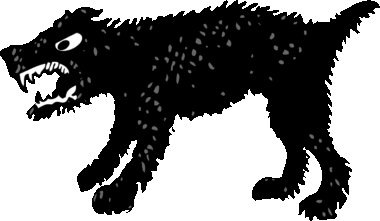
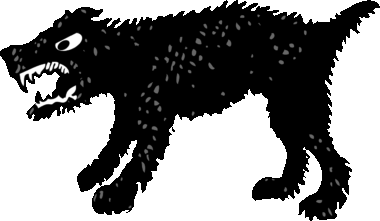
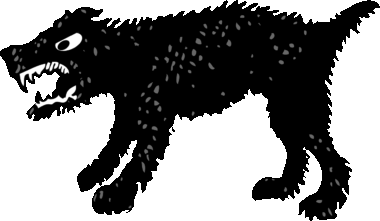
Canine aggression due to medical issues is often overlooked. Thyroid problems in dogs can be a significant contributor to behavioral changes. When a dog experiences an imbalance in its thyroid hormone levels, various behavioral symptoms may manifest, including increased aggression. This reaction can stem from a range of underlying factors, from hormonal imbalances to changes in metabolism. Owners may notice sudden behavioral shifts, leading to confusion and concern. Understanding aggression in the context of thyroid issues is crucial for proper diagnosis. Symptoms can escalate quickly and lead to dangerous situations, especially if the dog feels threatened or unwell. As a responsible dog owner, recognizing these signs is essential. Early intervention could be key to resolving aggressive behaviors effectively. Monitoring your dog’s health is paramount, especially if you notice any sudden changes in their mood or behavior. Regular vet check-ups can help catch these issues early. Proper management of thyroid problems can restore balance and improve overall behavior. Every dog deserves to feel safe, both physically and mentally, and addressing medical issues is the first step towards achieving harmony.
Thyroid problems can result in dogs displaying uncharacteristic aggression towards people or other pets. The thyroid gland affects numerous bodily functions, including mood regulation and stress response. When hormone production is disrupted, the dog may exhibit increased irritability or hostility, often misinterpreted as a personality defect. Owners might chalk this behavior up to temperament when it may be an indicator of a medical issue. Increased aggression can lead to serious complications if not addressed. It’s vital for owners to seek professional advice if they notice aggressive tendencies. Changes in diet or environment can sometimes exacerbate these symptoms further. Identifying the core issue may involve blood tests or diagnostic imaging to assess thyroid function accurately. Collaborating closely with a veterinarian is key in addressing these medical concerns. Treatment plans may include medication and ongoing monitoring of thyroid hormone levels. Proper communication with the dog can help mitigate aggression by reinforcing positive behaviors through training. Patience and understanding are crucial during this process as the dog learns to adapt to their new normal. Aggression, when connected with underlying medical conditions, highlights the importance of treating the canine family member as a whole.
Common Signs of Aggression Related to Thyroid Issues
Identifying behavioral changes early can make a significant impact on your dog’s well-being. Some common signs of aggression in dogs with thyroid issues include growling, lunging, and snapping. These behaviors may differ dramatically from typical actions, leading to confusion among dog owners. Other signs might include excessive barking and more frequently seeking solitary spaces. The dogs may also demonstrate fearfulness, leading to an overall decline in their quality of life. Additionally, they may become less tolerant of handling or affectionate interactions, creating a challenging environment not just for them but also for the family. Owners should keep a detailed log of any behavioral changes witnessed over time. By monitoring these symptoms closely, you can provide valuable information to your veterinarian for proper diagnosis. It is important to differentiate between aggression due to fear or anxiety and that which stems from metabolic or hormonal imbalances. This understanding will guide effective treatment tailored to your pet’s specific needs. Take note of when these aggressive behaviors occur to establish any patterns that can assist in diagnosis and treatment.
Dogs suffering from thyroid issues often face a myriad of challenges that extend beyond visible physical symptoms. Aggression can serve as a communication method for discomfort or pain. Signs such as biting or snapping may manifest when attempting to alleviate their stress. Veterinary consultations are paramount in determining the best course of action, including potential blood tests for hormone levels. Factors such as age, previous medical history, and even breed may exacerbate these symptoms. Training regimens incorporating positive reinforcement can have a positive effect on their behavior. Employing tools like treats or verbal praise can encourage desirable actions while discouraging aggressive behavior. It’s essential to approach the situation without punishment, as negative reinforcement often leads to more anxiety. Each dog’s reaction is unique; understanding what triggers aggression is key to effectively addressing the problem. Collaborating with a canine behaviorist may benefit owners in these situations. They can aid in formulating a comprehensive training plan centered around the dog’s specific behavioral tendencies. Consistent communication and supportive practices are crucial in restoring trust and confidence among family members, including the four-legged ones.
The Role of Veterinary Care in Managing Aggression
Veterinary care is fundamental in addressing aggression in dogs resulting from thyroid issues. A thorough evaluation will help establish if the aggressive behavior is purely psychological or if it stems from an underlying medical condition. Veterinarians can recommend appropriate tests to assess thyroid hormone levels. Once a diagnosis is made, treatment can begin, including medication or dietary adjustments aimed at restoring balance. Regular follow-ups are recommended to monitor hormone levels, ensuring ongoing physical well-being. Moreover, veterinary behaviorists can help develop a tailored behavioral modification plan adapted to the dog’s needs. Combining medical treatment with behavioral strategies creates a comprehensive support approach to managing aggression. Owners should work closely with their vets to understand effective treatments available, prioritizing their dog’s health and safety. This collaboration not only aids in improving aggressive behavior but also enhances the dog’s overall quality of life. Every dog deserves a chance at a healthy environment, from family interactions to socialization with others. Proper veterinary care significantly contributes to rectifying behavioral issues linked to thyroid imbalances, promoting a more peaceful home life for everyone.
Understanding the potential for aggression linked to medical issues is critical for dog owners. Proper education about thyroid problems can help elucidate possible behavioral changes in dogs. Avoiding stigma surrounding behavioral issues related to health helps owners adopt constructive approaches to treatment. An empowered owner can significantly affect their dog’s happiness levels through knowledge. Sources such as veterinary literature and reputable online resources provide insight into managing canine behavior healthfully. Additionally, fostering community connections can be beneficial. Historic success stories from fellow dog owners can offer hope and strategies that work. Share experiences on forums and social media, where discussions about pet behavior disorders abound. Moreover, participating in training classes specializing in positive reinforcement can lead to improved relationships between dogs and their owners. Enriching your dog’s life through meaningful interactions significantly reduces anxiety and undesired behavior over time. Consistency is essential, whether in training or medication management. The beauty of canine companionship is the strong bond formed through shared challenges and triumphs. Understanding sickness should be prioritized to ensure a mutually enriching life for pet and human alike.
Conclusion on Managing Aggression Linked to Thyroid Issues
Addressing canine aggression due to thyroid-related medical problems requires a multifaceted approach. It combines regular veterinary check-ups, observation of behavioral symptoms, and collaboration between pet owners and professionals. Taking early action can significantly benefit the dog’s health and well-being. Understanding the role of thyroid issues in aggressive behaviors bridges the gap between medical management and behavioral training, establishing a pathway for improvement. Each dog’s nature is unique, and its responses to treatment will differ. Owners must remain patient and committed to their dogs’ changing needs. With proper monitoring and care, healing and restoring trust between pet and owner is possible. An important focus should remain on creating a safe environment for dogs to express themselves positively. They deserve to thrive and flourish, void of frustrations linked to aggression. Help your dog navigate these challenges to ensure a harmonious existence. Emphasizing health and nurturing the pet-owner bond contributes significantly to a peaceful household. Education, support, and understanding play vital roles in addressing these issues, allowing for transformative healing to take place. A happy dog equals a happy home, which is ultimately the goal for every responsible pet owner.