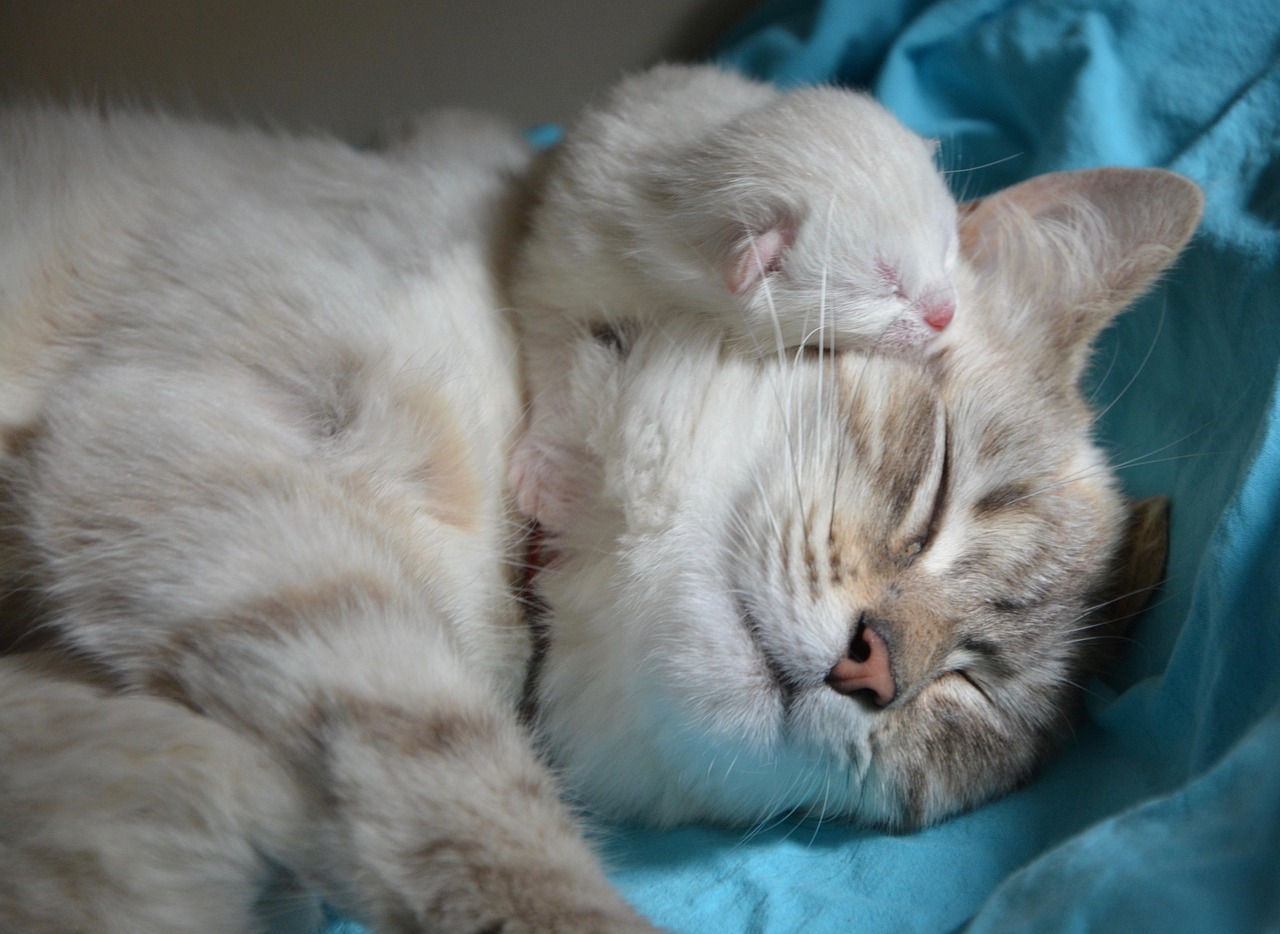

Early Communication Skills in Kitten Development
Early communication skills are vital for the healthy development of kittens. From the moment they are born, kittens begin to express themselves using a range of sounds and body language. These early skills lay the foundation for social interactions with their littermates, mother, and eventually, humans. In this critical period, which extends from birth to about eight weeks, their vocalizations and behaviors evolve. Within the first week, kittens start to make faint noises. As they grow, their communication becomes more distinct and purposeful. They learn the nuances of different sounds and the contexts in which they are used. Understanding kitten communication is essential for breeders and owners alike. The process of learning these skills is not solely instinctual; it involves observation and imitation of their peers and mother. This interaction is crucial to developing social behavior among kittens. Different vocalizations can indicate a variety of emotions. For instance, a high-pitched cry might signal distress, while purring generally conveys contentment. Paying close attention during these critical learning periods enhances the bonding experience between kittens and humans. Proper socialization at this stage is key to raising well-adjusted adult cats.
During the second week, kittens’ vocalizations become more pronounced and complex. They begin to experiment with mews and chirps, showcasing their desires and needs. This period is essential for fostering their communication with their mother, who attends to them when they vocalize. Kittens also start to explore their surroundings during this phase. As they become more aware of their environment, their social interactions with littermates increase. Play fighting and chasing help them learn vital social skills, such as how to express and interpret signals. Being playful is crucial; it allows kittens to test their limits while developing their physical abilities. The mother’s responses to their vocalizations teach them about communication cues. Consistently responding to kittens encourages them to develop more varied sounds. Kittens exhibit unique communication behaviors based on their personalities, making some more vocal than others. As they play and interact, they fine-tune their understanding of each other’s signals. This interactive communication is fundamental in preventing aggressive behaviors later in life. It is fascinating to observe how they adapt to each other’s styles, paving the way for future feline friendships.
The Importance of Play in Communication
Play is a crucial aspect of kitten development that greatly influences their communication skills. Engaging in play with littermates allows them to practice various vocalizations and body language. These interactions not only strengthen their muscles but also sharpen their social instincts. Kittens use play to mimic hunting behaviors, which is essential for their survival instincts. During these playful encounters, they learn how to express themselves quietly or loudly, depending on the situation. The ability to engage in rough-and-tumble play enhances their confidence. Caregivers often notice the kittens becoming more vocal during playful encounters. The interplay between shyness and assertiveness is evident as they navigate these playful situations. Observing how they adjust their communication based on the feedback from their peers is also vital. Kittens are naturally instinctual creatures and learn to adapt their approaches based on previous experiences. When a playmate responds positively, they are encouraged to use that strategy more often. Breeders can provide appropriate toys and interaction opportunities to encourage this playful communication, allowing kittens to refine their skills. Consequently, providing outlets for play will lead to a balanced and socially adept adult cat.
During the fourth week, kittens enter a phase where they comprehend the social cues their mother provides. They increasingly rely on their senses, particularly sight and hearing, to gauge their surroundings and the behavior of their peers. At this stage, they begin to develop a more vocal communication repertoire. Each kitten’s personality and temperament begin to shine through their vocalizations. Understanding how each kitten communicates individually aids in better socialization practices. Some kittens may adopt a more melodic meow, while others might opt for softer sounds or even growls. These variations are essential for their growing identities, shaping how they interact with humans. At this time, visual communication also becomes significant. Kittens utilize body posture and tail positions to indicate their emotions, such as playfulness or submission. It is fascinating to witness them experimenting with their voices against various stimuli. Providing a stimulating environment encourages them to vocalize and explore. Observing their communication styles helps caregivers know which kitten may be more aloof and which may be more sociable. This understanding leads to better care strategies and ensures that each kitten receives the attention it needs for healthy development.
Bonding with Humans through Communication
As kittens progress into the fifth week, their communication skills become increasingly refined. They begin to form attachments to humans, often through vocal interactions. Engaging positively with caregivers allows kittens to create a sense of safety, vital for their growth. They may respond to gentle voices and affectionate touches with soft purrs or trill-like sounds. These sounds signify trust and comfort, reinforcing the bond. Kittens learn that specific vocalizations lead to attention and affection from humans. Alongside their vocal learning, they master body language, using gazes, tail movements, and proximity to express their feelings. This development makes them more relatable and expressive, helping caregivers connect with them on a deeper level. It is this vital bond that nurtures healthy emotional ties, shaping their future behavior with people. Understanding their emotional communication helps avoid behavioral issues later in life. Encouraging gentle interactions and responding positively to their vocalizations enhances the kitten’s confidence. Consistent engagement helps kittens explore the human world, building essential life skills. The emotional bond forged during these weeks establishes the foundation for lifelong companionship.
By the sixth week, kittens actively communicate their preferences and needs with even more clarity. Caregivers often witness distinct requests, highlighting their understanding of vocalizations and signals. Kittens start showcasing preferences for specific toys or playstyles, vocalizing with excitement or discontent. These nuanced expressions provide insight into their personalities and preferences. Vocalizing for attention or expressing boredom becomes prominent, offering caretakers clues about their desires. Kittens are also evolving their capabilities to interpret human responses; they learn which sounds elicit positive reactions. This is particularly true for young kittens, who thrive on interaction. They have begun to establish a repertoire of sounds that resonate with their individuality. The dynamic nature of this communication allows them to express distress or happiness effectively. During this phase, socialization and interaction with humans can significantly influence their behavioral patterns. Positive experiences with people during these critical weeks contribute to a kitten’s adaptability. A well-socialized kitten will grow into a cat capable of complex interactions with both humans and other pets. Therefore, responsive communication fosters healthy emotional development by ensuring that kittens’ emotional needs are met.
Final Stages of Kitten Communication Development
In the final stages of kitten development, which culminates around eight weeks, the importance of communication is truly evident. Kittens not only refine their existing skills but also strengthen their bonds with their littermates. They become adept at using vocalizations to initiate play or signal discomfort, displaying a sophisticated understanding of communication. Their ability to discern cues from their environment, including human signals, becomes paramount at this stage. The interplay of purring when content and hissing when threatened demonstrates their grasp of vocal variety and situational awareness. Kittens also start to establish hierarchies within their social groups, often vocalizing to assert dominance or submission. These subtle yet impactful behaviors set the stage for their adult interactions. Breeders and caregivers play an essential role in this process, ensuring that kittens receive adequate socialization and exposure to diverse environments. Continued interaction fosters confidence and a healthy personality. This period lays the groundwork for future communication patterns as they transition into adulthood. Observing these behaviors is not only heartwarming but also fundamental in understanding how to raise well-adjusted, communicative cats in their future lives.
Throughout the entire kitten development journey, the early stages of communication play a crucial role in establishing valuable bonds. These skills facilitate essential interactions that support their growth and learning in their new homes. Understanding their communication not only enriches the kitten’s experience but also enhances the lives of their human families. Each kitten carries unique traits and expressions that contribute to their personalities and relationships with humans. Notably, attentive interactions help create a sense of safety and comfort, enabling kittens to thrive in their environments. This acquired social intelligence proves crucial, as it allows them to navigate more complex interactions as they grow older. Observing and responding to their communication further fortifies relationships, proving beneficial for lifelong companionship. Caring for kittens during these formative weeks serves to instill lasting habits and behaviors that will guide them through their adult lives. A well-socialized kitten blossoms into an affectionate and approachable cat. Engaging in purposeful communication early solidifies the connection between kittens and humans. Consequently, nurturing these relationships with love and understanding ensures a delightful journey together for years to come, reinforcing the importance of early communication in kitten development.